
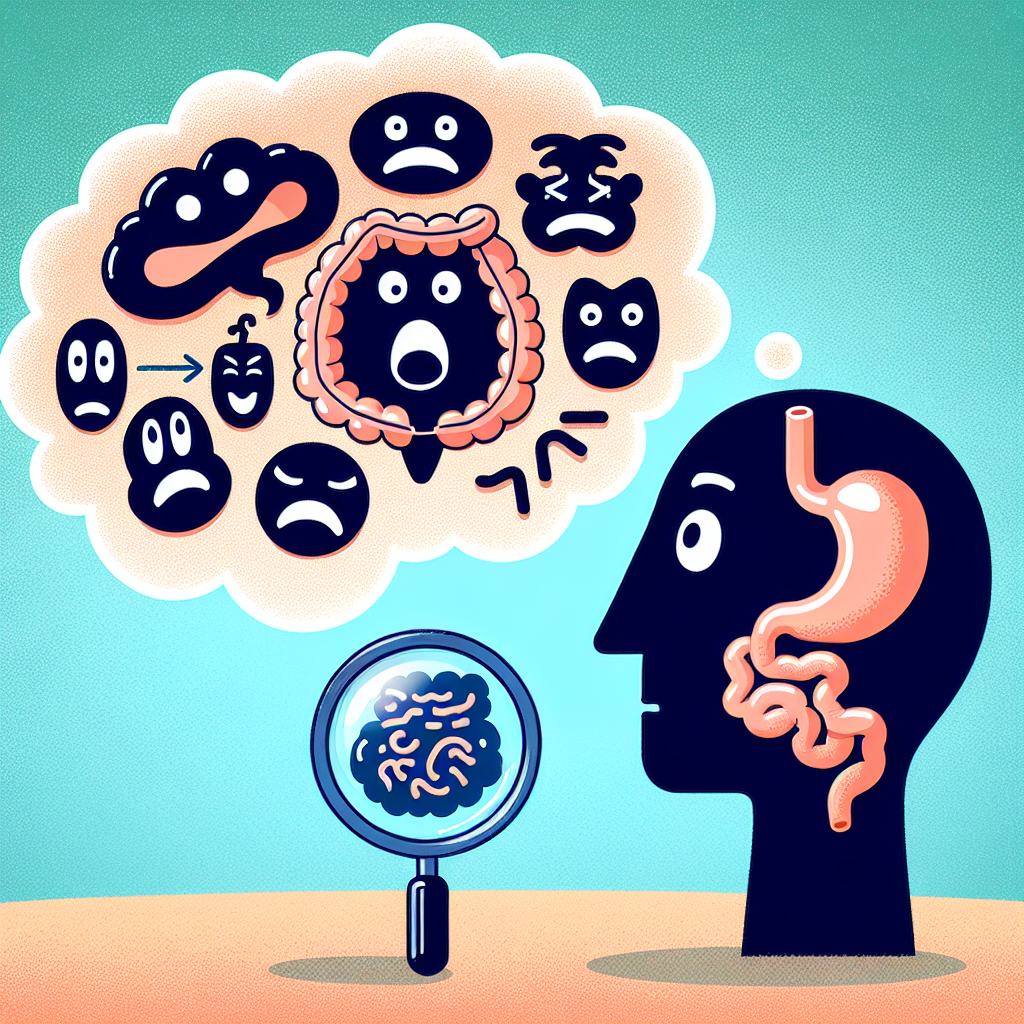
The Role of the Gut Microbiome in Shaping Our Personalities
In recent years, the gut microbiome has become a focal point for researchers studying human health and behavior. Emerging studies suggest that gut bacteria may play an influential role in shaping our personalities and emotional development. This revelation opens up new avenues for understanding how our mental and emotional traits are influenced by the trillions of microorganisms inhabiting our digestive tract.
The Gut-Brain Axis: A Bidirectional Communication Channel
One of the most intriguing concepts in modern neuroscience is the gut-brain axis—a complex communication network linking the gut microbiome with the brain. This axis allows the gut and the brain to communicate, influencing not just physical health but also mental well-being. The gut produces neurotransmitters, such as serotonin and dopamine, which are critical for mood regulation. New Scientist recently highlighted a study showing that rodents changed their exploratory behavior after receiving a fecal transplant from exuberant toddlers, suggesting that the gut microbiome might heavily influence behavioral traits.
How Gut Bacteria Impact Brain Chemistry
The gut contains a vast array of bacterial species, each playing a specific role in metabolic processes. These bacteria produce metabolites that can permeate the blood-brain barrier, potentially modulating brain function. For instance, short-chain fatty acids (SCFAs) produced by bacterial fermentation of dietary fiber can influence brain health by reducing inflammation and promoting neurogenesis.
Studies Reflecting the Connection
An impactful study conducted on rodents demonstrated notable shifts in temperament when gut bacteria were altered. Science Daily also reported that a blood molecule associated with aging might influence how gut metabolites affect the brain, suggesting that personalized medicine approaches could one day leverage this connection for mental health interventions.
The Implications of Gut Microbiome Research
Understanding the gut’s influence on personality could have profound implications for treating mental health disorders, such as depression and anxiety. Tailoring diets to enhance certain bacterial populations might be a feasible strategy to alleviate symptoms. Furthermore, these insights could pave the way for probiotic therapies designed to cultivate beneficial gut flora.
Challenges and Future Directions
While the potential is promising, significant challenges remain. The variability in microbiomes across individuals complicates the standardization of treatments. Furthermore, understanding the mechanistic pathways connecting gut bacteria with specific personality traits necessitates comprehensive research. More studies are essential to effectively translate these findings into clinical applications.
Despite these challenges, the gut microbiome represents a vibrant field of inquiry, promising to deepen our understanding of the intersection between physical and mental health. As we unravel the complexities of the gut-brain connection, the possibility of new treatments and interventions emerges, fundamentally altering how we perceive mental health and personality development.
Scientific American highlights the anticipation around manipulating the microbiome to develop novel therapeutic strategies for a range of conditions.
The future of medicine indeed lies in understanding the microscopic world’s power within us, offering hope for more personalized and effective approaches to health and wellness.