The Environmental Impact of Deep Sea Mining
Amid the race to secure resources vital for technological advancements and clean energy, deep sea mining has emerged as a controversial frontier. This exploration aims to harvest polymetallic nodules and cobalt-rich crusts from the ocean floor, which contain essential metals such as nickel, manganese, and lithium. However, the rush to mine these underwater treasures comes with significant environmental consequences that scientists and activists are striving to understand and mitigate.
The Rush for Oceanic Resources
With the increasing demand for metals driven by battery production and renewable energy technologies, deep-sea mining has gained traction as a potential solution. According to World Resources Institute, the ocean floors might hold the key to meeting this demand, yet at what cost?
Potential Environmental Consequences
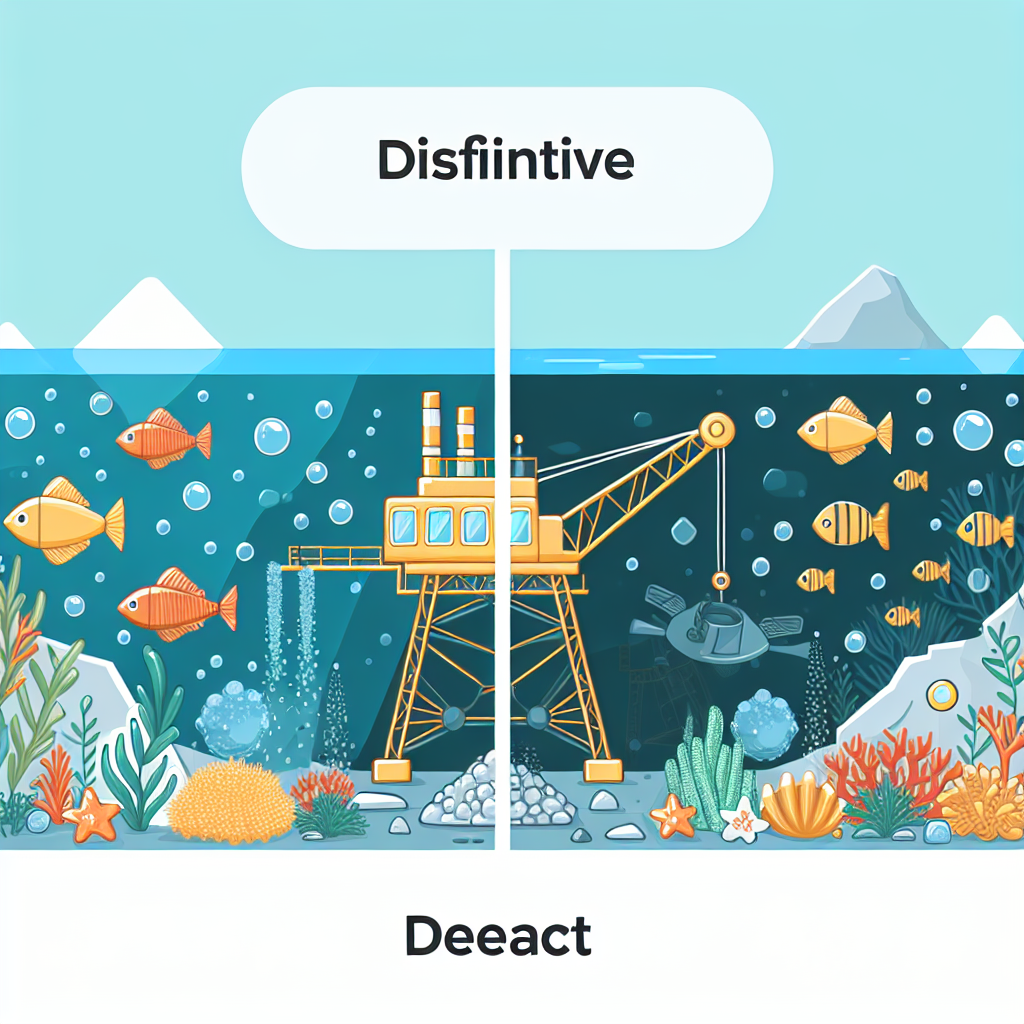
- Disruption of Marine Ecosystems: As detailed by ScienceDirect, deep-sea mining operations risk causing significant destruction to benthic ecosystems. The sediment plumes generated can smother marine life, impacting the delicate balance of these environments.
- Biodiversity Loss: IUCN research highlights concerns about the impact on biodiversity, with unique marine species potentially endangered by mining activities.
- Release of Carbon Stores: Deep-sea mining could disturb carbon-rich sediments, as noted by the Chemical & Engineering News. This disruption can release trapped carbon, contributing to climate change.
The Scientific Perspective
In a study published in Nature, scientists observed that while some recovery of marine life might occur decades after mining, many impacts persist. The long-term ecological consequences remain poorly understood, raising questions about the sustainability of such practices.
“The concerns around deep-sea mining and its environmental impact grow due to the lack of comprehensive evidence and understanding,” notes a report by the National Oceanography Centre.
Possible Solutions and Regulatory Measures
Organizations like the WWF and the Deep Sea Conservation Coalition advocate for stricter regulations and scientific oversight to ensure that deep-sea mining does not proceed without a thorough understanding of its ecological impacts. There is a rising call for international guidelines to manage and monitor mining activities, ensuring that they are conducted sustainably and responsibly.
While the idea of tapping into the ocean’s resources is tempting, the potential repercussions on environmental health and climate stability require a cautious approach. Proponents of deep-sea mining must navigate these complex challenges to balance economic interests with the preservation of our planet’s marine ecosystems.