Volcanic Eruptions and the Black Death
Recent scientific investigations suggest a potential connection between a major volcanic eruption and the spread of the Black Death in Europe, paving the way for new perspectives on historical pandemics and current environmental challenges. This revelation is transforming our understanding of how natural disasters have historically shaped human events and could guide modern responses to environmental and health crises.
Unraveling the Historical Mystery
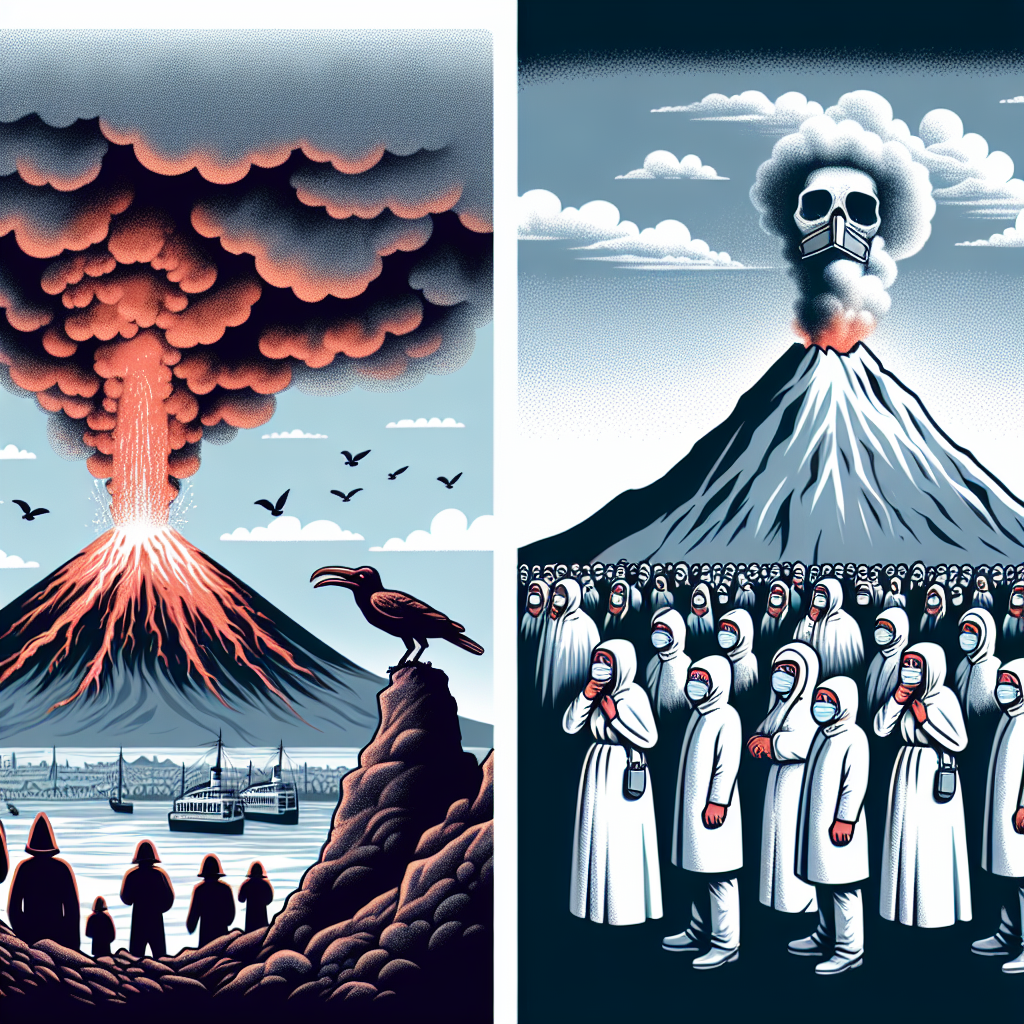
Historians and scientists have long debated the factors that triggered the Black Death, one of the deadliest pandemics in history. New research highlights a significant volcanic eruption as a potential catalyst. Climate data and historical accounts were meticulously analyzed, revealing that this eruption led to crop failures in the 1340s, prompting Italian officials to import grain from Eastern Europe, possibly introducing the plague bacterium alongside these shipments.
These findings, interwoven from New Scientist and BBC reports, challenge the long-held assumption that events such as wars or trade disruptions were solely responsible. Instead, they emphasize environmental factors, opening up discussions on the role of global climate events in historical disease spread.
The Science Behind the Eruption’s Impact
The volcanic eruption is believed to have resulted in a period of global cooling, with devastating effects on agriculture. According to a Science Daily study, tree rings, ice cores, and historical writings corroborate the hypothesis of an eruption leading to a cooler climate and subsequent crop failure. This interdisciplinary research underscores the importance of collaborative approaches in historical climatology.
The Modern Implications
The insights gained from these studies are not only rewriting history but also influencing contemporary policies. They highlight the intricate ties between environmental changes and pandemics, offering a cautionary tale for today’s policymakers. As climate change accelerates, understanding these historical precedents is crucial for preparing for future environmental challenges.
Environmental and Health Lessons
The lesson extends beyond historical interest. The current state of global warming presents ecological disruptions that echo past events. For instance, recent reports indicate that 2025 is the second-hottest year on record, underscoring the urgency of addressing climate change. Such environmental shifts can exacerbate resource scarcity, as during medieval grain shortages, and could lead to modern analogs of historical pandemics if left unchecked.
Volcanoes and Modern Monitoring
Modern technology enables unprecedented monitoring of volcanic activity and its environmental impacts. Networks of satellites and sensors now provide real-time data that improve our ability to predict and mitigate the effects of such eruptions. These advances help us understand not only the potential for natural disasters to weaken agricultural systems but also to manage ongoing challenges related to climate and health.
Global Cooperation as a Strategy
The compounding effects of climate and disease evident in the historical record call for global cooperation. By embracing collaborative frameworks, nations can better safeguard against environmental disruptions. Policies must be designed to integrate the latest scientific research and build resilience against future pandemics potentially induced by environmental changes.
Conclusion: A Path Forward
Understanding how historical events unfolded due to natural phenomena, such as volcanic eruptions, reminds us of the fragile balance between humanity and nature. Contemporary science and policy-making must incorporate these lessons, advocating for sustainable environmental practices and robust health strategies.
As we face modern challenges reminiscent of the past, the synthesis of historical data and cutting-edge science creates pathways for crafting future-proof responses to global crises. This narrative not only enriches our comprehension of the past but also inspires proactive measures today.