Nitrous Oxide in the South Pacific: Impacts on Our Oceans
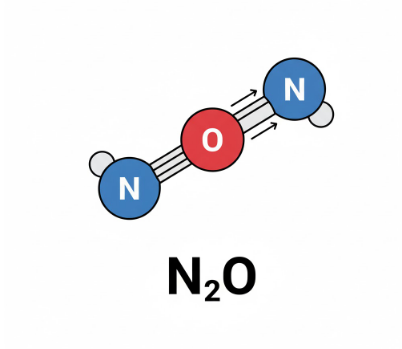
The dynamic chemistry of our oceans is continually influenced by various greenhouse gases, with nitrous oxide (N₂O) being a significant contributor. As a potent greenhouse gas, N₂O not only contributes to climate change but also impacts oceanic nitrogen cycling. This blog explores emerging research on the impacts of nitrous oxide in ocean regions such as the South Pacific and highlights broader implications for marine ecosystems.
Nitrous Oxide and Ocean Health
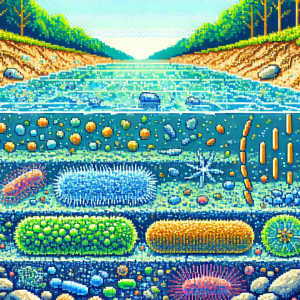
Nitrous oxide is produced primarily through microbial processes in soils and coastal waters. Increasing evidence shows that activities such as agricultural runoff and wastewater discharge enhance denitrification—the microbial conversion of nitrates into nitrogen gases, including N₂O. This increase is concerning because:
- N₂O intensifies global warming due to its high global warming potential.
- Alterations in the nitrogen cycle can disrupt marine productivity and ecosystem balance.
A study by Tang and Xia (2021) examines how microbial denitrification in eutrophic waters—a condition often observed in parts of the South Pacific—intensifies N₂O emissions. The research underscores that controlling fertilizer application and managing organic pollutants can be pivotal in reducing N₂O release, thereby supporting healthier oceanic environments Tang & Xia, 2021.
Reactive Nitrogen Cycling and Surface Chemistry
In marine environments, reactive nitrogen compounds play a critical role in atmospheric and aqueous chemistry. An investigation by Shen et al. highlights that, in the presence of iodide—an element abundant in seawater—photolysis of nitrate is accelerated, thereby altering the nitrogen cycle at the sea surface. Although the study focused on the formation of nitrous acid (HONO), enhanced reactive nitrogen cycling is linked to overall nitrogen dynamics that ultimately influence N₂O levels (Shen et al., 2025).
The South Pacific Context
The South Pacific Ocean, known for its vast open waters and variable nutrient inputs, is a sensitive region where even small shifts in nitrogen cycling can have cascading effects:
- Increased denitrification activities in these waters may lead to elevated nitrous oxide levels.
- Altered nitrogen reactions, driven by natural factors (e.g., iodide concentration) and human-induced changes, can compromise local ecosystems.
- The balance between nutrient enrichment and ocean ventilation is crucial for maintaining marine biodiversity and mitigating the effects of climate change.
Looking Ahead
Understanding the interactions between nitrous oxide emissions and marine chemistry is essential for climate change mitigation strategies. Researchers continue to explore the balance between natural processes and anthropogenic influences to protect our oceans, particularly in the diverse environments of the South Pacific.
Sources
- Shen, H., Li, Q., Xu, F., Xue, L., Hu, Y., Saiz-Lopez, A., Wang, W., & Wang, T. (2025). Aerosol iodide accelerates reactive nitrogen cycling in the marine atmosphere. Nature Communications. Link
- Tang, H., & Xia, R. (2021). The rise in the contribution of denitrification is the primary reason for the increase of N₂O emissions in the Anthropocene. PLOS ONE. Link
By acknowledging the complex interplay between natural marine chemistry and human activities, we can better address the challenges posed by nitrous oxide and protect the health of our oceans.