Plants vs. Bugs: The Secret Saliva Battle
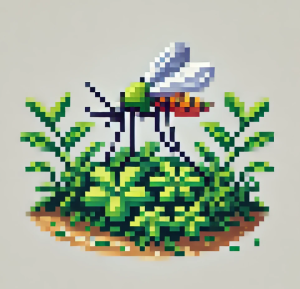
In the world of plants versus bugs, nature scripts a high-stakes drama right beneath our noses and on the leaves of tobacco, rice, and more. Herbivorous insects like the whitefly and brown planthopper have orchestrated a covert operation that could change the future of agriculture. It’s all thanks to a little trick hiding in their saliva.
Swarm-inflicted Damage or Precision Attack?
Picture a quiet tobacco field, sun-dappled and serene (and yes, nicotine is no good, but drying tobacco leaves smell amazing).
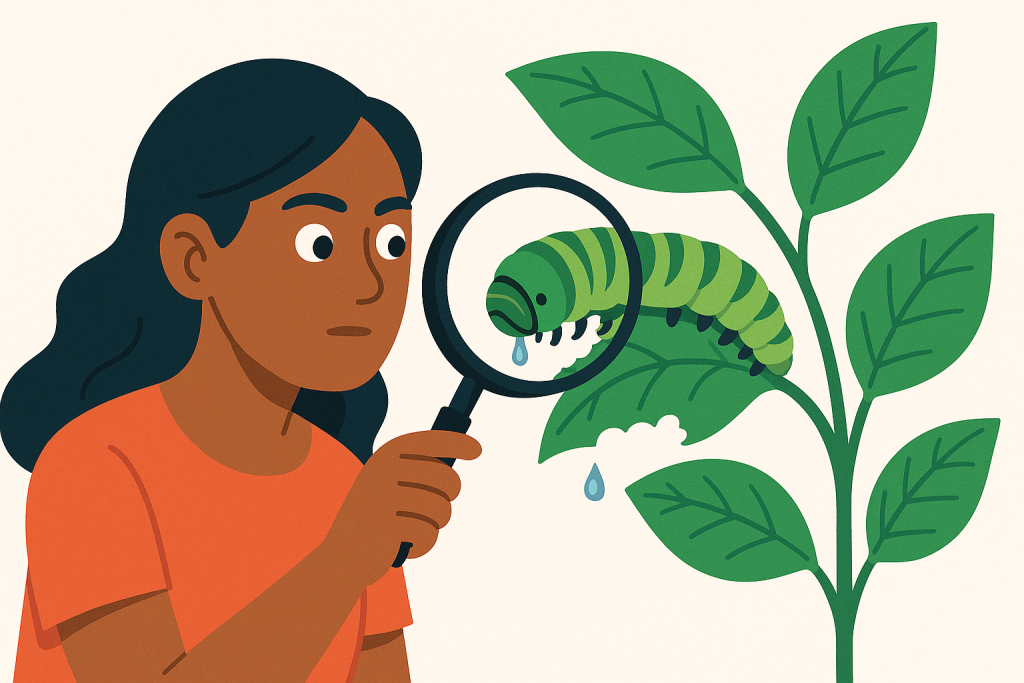
Underneath this tranquility, a secret battle wages on. Tiny, seemingly harmless insects pierce plant tissues, injecting them with a concoction of saliva containing specialized proteins.
This is not just feeding; it’s a tactical infiltration!
These insects, much like microbes, know how to bypass plant defenses, but how exactly? The scientific puzzle lies in how these herbivorous masterminds evade the relentless surveillance of plant immune systems.
Unraveling the Insect Secret
Xin Wang and colleagues at leading Chinese research institutes investigated the unique strategies these insects employ. They discovered a pair of salivary effectors—proteins identified in the mouths of whiteflies and planthoppers. These effectors cunningly disable a plant’s defenses by targeting RLP4, a key receptor-like protein on the surface of plant cells.
When plants such as tobacco and rice increase RLP4 levels, they resist pest attacks much better. Conversely, if insects introduce their salivary effectors, the plants’ ability to defend themselves is significantly reduced.
The Science of Enhancing or Weakening Defenses
To understand this, the scientists allowed insects to feed on transgenic tobacco and rice and observed genetic manipulations in action. It turns out that both salivary proteins from whiteflies and planthoppers bind to RLP4, thereby promoting its destruction inside the plant. This degradation weakens the plant’s immune response, making it easier for the insects to continue feeding.
Holding significant implications for agronomy, this research may lead us towards developing plants with enhanced pest resistance, revolutionizing food security in vulnerable regions.
Relevance Beyond First Impressions
This finding finally sheds light on the universal clash between plant immunity and insect tactics. It’s not just a local tobacco-field concern; it highlights a broader evolutionary arms race between plants and herbivores worldwide. As they enter unexplored territories, the research proposes that these salivary effectors have evolved in parallel, showcasing the adaptability and ingenuity of insect pests.
What We Still Do Not Know
Despite these revelations, questions remain. Are there similar proteins in insects yet to be discovered? Could these same tactics be used by pests in different ecological settings? And, importantly, how might we harness this information to strengthen crops worldwide?
Let’s Explore Together
From discovering the precise molecular dance between plant defenses and insect aggression, this study emphasizes the complexity hidden in plain sight. How might this understanding shift our approach to sustainable agriculture?
- What would it take to improve this resistance in crops with fewer resources?
- Can we guide plant breeders and genetic engineers using this road map?
- Does this biological interaction change your perception of plants and pests?