Decoding How Planarians Regenerate Their Brains
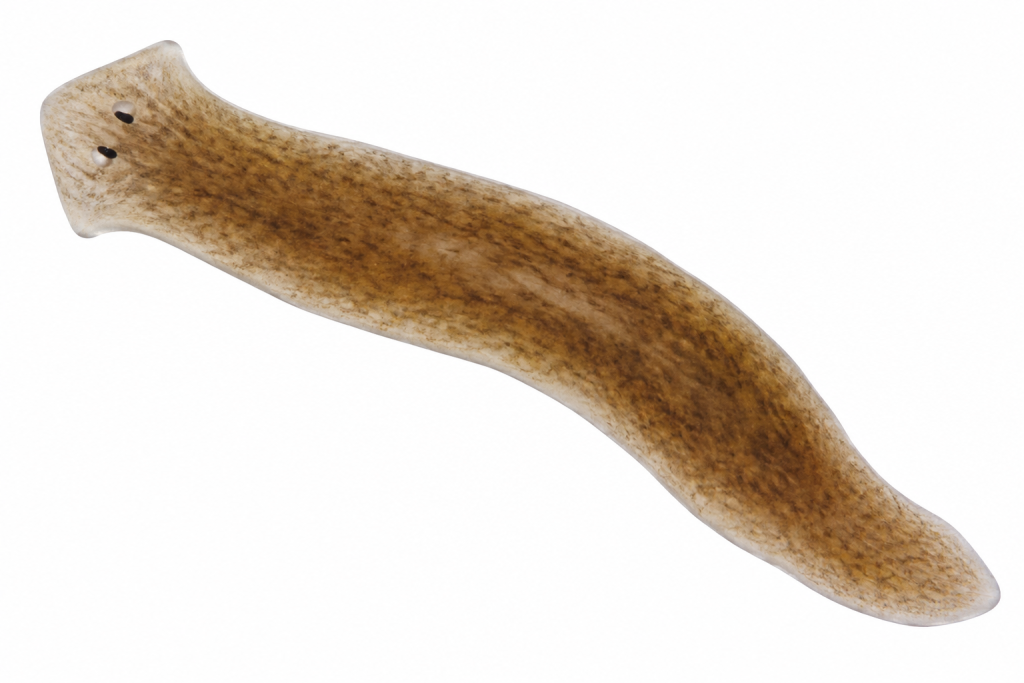
Mystifyingly, planarians (simple flatworms) can regenerate entire portions of their bodies, including their intricate nervous systems, from wounds. What secrets of regenerative medicine might be found within such extraordinary capabilities?
Imagine cutting a flatworm, and instead of a tragic end, it regenerates, like rewinding a biological clock. This isn’t fiction but a fascinating reality for planarians, those peculiar yet awe-inspiring flatworms studied by researchers eager to unravel the secrets of neurogenesis, the process by which new neurons are formed. Why is this significant? Because understanding these secrets could radically reshape how we approach neural repair in humans.
The Scientific Puzzle
Researchers have long admired planarians for their extraordinary regenerative ability. These flatworms use pluripotent stem cells to generate any cell type in their bodies, including neurons, to replace damaged tissues. However, the mechanisms by which these cells operate to orchestrate this complex regeneration remain a captivating scientific mystery.
In their recent study, scientists investigated the regeneration of dopaminergic neurons —neurons central to movement and behavior, and whose loss is a hallmark of Parkinson’s disease—in planarians. They wanted to know: How do these stem cells distinguish between different regions of the nervous system, ensuring that the correct neurons are produced in precisely the right locations?
What Researchers Did
To address this puzzle, researchers embarked on a comprehensive genetic screen. They focused on 74 genes potentially involved in regenerating dopaminergic neurons in planarians. By knocking down these genes one by one using RNA interference (RNAi), they aimed to identify those necessary for dopaminergic neuron regeneration and maintenance.
The team began their work in different regions of the nervous system, including the central system, peripheral nerves, and the pharyngeal network of cells. Using in situ hybridization, they visualized specific gene expression patterns associated with dopaminergic neurons, allowing them to map how these genes regulated neuron identity and spatial organization.
The Startling Findings
They identified 10 critical genes, among them fli1-2 and irx-4/6, that appeared indispensable for the growth of dopaminergic neurons across the planarian body. Others, like lmo1/3-1 and app-L1, played specific roles in distinct nervous system regions such as the brain.
Interestingly, some genes worked cooperatively, encoding a kind of genetic ‘instruction manual’ that not only told cells what type of neuron to become but also where to situate themselves in the organism. This breakthrough offers a glimpse into combinatorial mechanisms deploying the right mix of spatial and neurotransmitter instructions during regeneration.
Why This Matters
Understanding regenerative neurogenesis in planarians holds significant promise for advancing regenerative medicine. The combinatorial approach seen in planarians could inform new stem cell therapies, refining how we recreate neural circuits in humans with neurodegenerative diseases.
Despite the promising findings, translating this knowledge to humans faces challenges. Human neurons have limited regenerative ability, and introducing new cells risks incorrect integration. Yet, glimpses of nature’s successes in planarians light a path toward overcoming these hurdles.
What We Still Do Not Know
While this study clarified key genetic players in planarian neurogenesis, much remains undiscovered. Questions linger about how exactly these genes coordinate the regeneration of diverse neuron types, and how external cues interplay with genetic instructions. Moreover, whether these mechanisms can be mimicked or adapted to higher organisms like mammals still looms large.
Let’s Explore Together
The complexity of neurogenesis in planarians opens the door to a deeper understanding of regeneration and repair. As science delves deeper into the genetic orchestration of these flatworms, hope grows for future breakthroughs in human medicine. So, what more could we learn from the seemingly modest planarian?
- How might this knowledge impact the development of regenerative therapies for neural injuries?
- Could we apply these insights to design cell therapies that precisely target affected areas in the human brain?
- What would it take to replicate planarian-like regenerative processes in human tissues?