What Really Drives Support for India’s Cheetah Comeback?
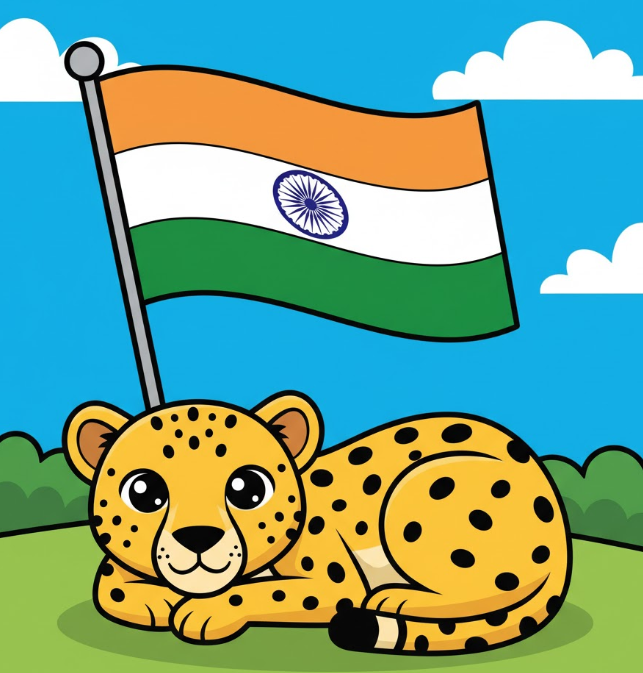
Less than a century ago, the cheetah vanished from India—hunted to extinction by 1947. Today, the species is back, but the biggest challenge isn’t only ecological. It’s emotional. A new study shows that whether the cheetah thrives again in India may depend as much on people as on prey.
Across India’s towns and villages—from Jaipur tea stalls to WhatsApp groups in Bhopal—the “cheetah question” has become a national conversation. For the first time, researchers utilized Natural Language Processing (NLP) to analyze nearly 2,000 public comments across social media, Google searches, and news outlets. Their goal was simple but ambitious: What do people really think about bringing cheetahs back?
But here’s where it gets interesting…
A Big Conservation Dream Meets Big Public Feelings
India’s decision to reintroduce cheetahs, first from Namibia, then South Africa, was historic. No other country has attempted a transcontinental carnivore reintroduction of this scale. Supporters hoped the animals would revive grasslands, boost ecotourism, and restore missing ecological roles. Critics argued India lacked the right habitat, prey base, and long-term planning.
Yet many of these arguments came from scientists and policymakers. Far less was known about everyday people: students sharing memes, farmers near Kuno National Park, conservation volunteers, or casual nature lovers who only know cheetahs from documentaries.
This study fills that gap—and the findings reveal a deep divide.
Social Media Loved the Project—News Media, Not So Much
Using NLP, the researchers categorized text into positive, negative, and neutral emotions. The contrast between platforms was striking.
1. Twitter and Instagram: Overwhelmingly positive (91.8% positivity)
People online used words like “majestic,” “graceful,” “historic,” “welcome,” and “fastest animal.” Comments celebrated the cheetahs’ arrival, the release videos, and the sense of national pride in restoring a lost species.
For students scrolling Instagram between classes, or wildlife fans in cities like Delhi and Mumbai, the cheetahs symbolized hope and renewal. Posts clustering around terms like “wildlife conservation” and “new home” revealed enthusiasm and curiosity, even among those far from the actual reintroduction site.
2. Google searches and news media: Mixed to skeptical (46.2% cynical or concerned)
News reports, especially those covering deaths of cubs or habitat limitations, leaned more negative. Words like “controversial,” “concern,” “challenge,” and “extinction” appeared frequently.
For someone reading headlines in a rural market or internet café in Uttar Pradesh, the tone was more uncertain. Many articles emphasized scientific disagreements, logistical issues, and risks. This group showed higher levels of anticipation, fear, and sadness, reflecting apprehension about whether the project would succeed.
It’s a reminder that the information channel influences public opinion and emotion. A cheerful Instagram reel doesn’t land the same way as a headline about cub mortality.
What People Talked About Most
The study mapped thousands of words into clusters—like tiny galaxies of public opinion. Three big themes stood out:
1. Ecological Questions
Terms like “habitat,” “wildlife,” “prey,” “extinction,” and “forest” showed people wanted the animals to succeed but worried about whether conditions were right. Some commenters echoed scientists’ fears:
- Is the prey base enough?
- Will cheetahs adapt?
- What about conflict with leopards or humans?
2. National Pride & Emotional Connection
Many Indians saw the return of cheetahs as a symbolic healing of history. Words like “historic,” “welcome,” “regal,” and “beauty” came up repeatedly. The arrival was celebrated almost like a festival.
3. Policy, Politics & Project Management
Words such as “plan,” “effort,” “project,” “Gandhi Sagar,” “Kuno,” “PM release,” and “controversial” revealed interest in the governmental role and execution of the project.
This mix of ecology, emotion, and politics mirrors global conservation challenges—from wolves in North America to bison in Europe. But India’s case is unique: no other reintroduction in the world has sparked this level of digital conversation so quickly.
Why These Perceptions Matter
Conservation doesn’t happen in a vacuum. A cheetah doesn’t know district boundaries, political narratives, or Twitter sentiment—but managers do. And public support (or opposition) affects everything:
- funding
- policy continuity
- community cooperation
- tolerance during conflict
- willingness to support habitat protections
If farmers near Kuno or schoolteachers in Rajasthan feel unheard, opposition can grow quietly but quickly. Conversely, when people feel informed and included, conservation outcomes improve dramatically.
The study emphasizes that public perception is a crucial component of conservation success.
A Twist: Enthusiasm and Anxiety Coexist
Even among the positive social-media group, the researchers detected sharp spikes in emotions like fear (22.4%) and anger (11.3%). Why? Because hope comes with worry. People celebrated the cheetahs’ arrival but feared losing them again.
That emotional duality matters. It means conservation communication must balance honesty about challenges with shared excitement about possibilities.
What This Means for Conservation in Rapidly Changing Countries
Whether you live in Nigeria, Brazil, India, or South Africa, the lesson is the same: Big conservation projects succeed only when people see themselves as partners—not bystanders. The study recommends:
- community involvement
- transparent communication
- continuous monitoring of public sentiment
- collaboration with local leaders
- sharing scientific updates in accessible ways
At a time when climate change, habitat loss, and urbanization threaten ecosystems worldwide, this approach isn’t optional. It’s essential.
Let’s Explore Together
As India’s cheetahs settle into their new home, the world is watching—not just the animals, but the people shaping their future.
What do you think?
- Could this idea work in your community or country?
- If you were on the research team, what would you study next—habitat, community attitudes, or policy?
- What everyday challenge in your region do you wish science could solve next?
Your questions and insights are part of the story—and the science.