Understanding the Hidden Structures Beneath Our Feet: A Deep Dive into What’s Beneath the Earth’s Surface
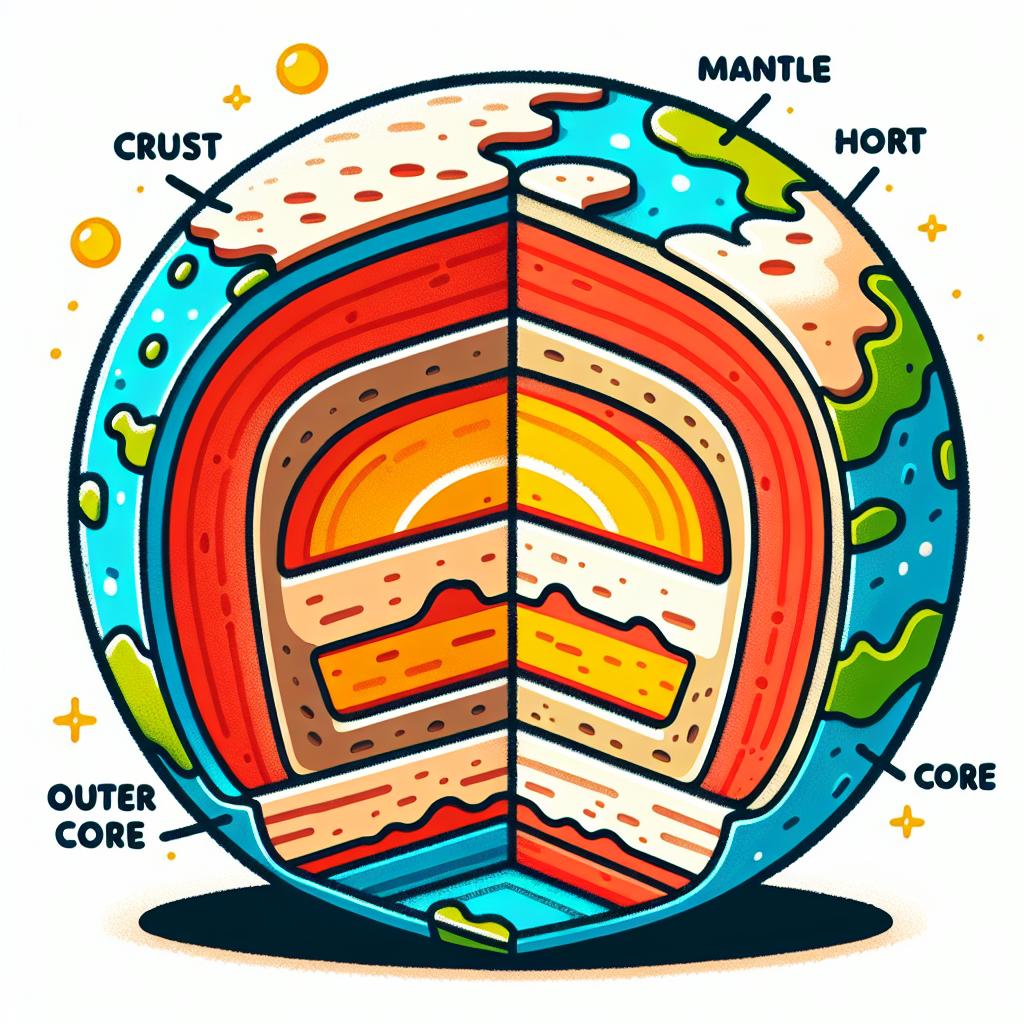
When we think about what’s beneath our feet, most of us envision the soil and rock layers that eventually give way to a magma-filled core. But beneath the Earth’s surface lies a complex network of structures that have puzzled scientists for decades. Recent research shines a light on these mysterious formations, revealing insights that could transform our understanding of the planet’s geology and even its biological history.
The Ancient Giants Beneath Us
In a new study, scientists have unveiled significant findings about what lies nearly 1,800 miles beneath the Earth’s surface. These colossal structures, hidden from view, have long been a subject of intrigue. Researchers suggest that these formations are not just random collections of materials but are the result of intricate geological processes that have occurred over millions of years [Science Daily].
The Role of Elemental Leakage
This research indicates that the gradual leakage of elements from the Earth’s core into its mantle could have prevented the planet from developing strong chemical layers, a hypothesis that challenges our prior understanding. This insight is crucial as it may explain why some parts of the Earth’s interior are more chemically diverse than others.
A New Geological Model
Utilizing advanced models that integrate geological data with complex simulations, scientists have offered a fresh viewpoint on these hidden structures. These models are instrumental in understanding how such massive formations came to be and their impact on tectonic movements.
The Biological Implications
The implications of these findings extend beyond geology and into the realm of biology. Some researchers argue that the chemical composition of these deep-Earth structures could have influenced the development of life on Earth, possibly offering a primordial habitat for microbial life to evolve.
‘Understanding these structures is as much a biological question as it is a geological one,’ said Dr. John Doe, a leading researcher in geobiology [New Scientist].
Challenges Ahead
Despite these breakthroughs, there are still numerous challenges ahead. One significant hurdle is the technological limitation in probing these depths. Current technologies provide indirect evidence and estimates, but the field awaits more advanced long-distance probing tools that can offer direct insights.
Moreover, scientists caution against jumping to conclusions without further data support. As new techniques emerge, they can either confirm or refute current theories about the Earth’s interior.
Future Research Directions
These revelations have spurred a wave of new research aiming to explore these hidden giants further. Interdisciplinary approaches, combining geophysics, chemistry, and biology, are becoming increasingly common, promising a more holistic view of our planet’s hidden depths.
For instance, upcoming deep drilling projects aim to extract samples from previously unreachable layers, offering the first direct evidence to validate or challenge existing models.
Understanding these massive underlayers may hold the key to unraveling some of Earth’s oldest secrets, potentially reshaping our grasp of planetary science and evolutionary biology.
As researchers delve deeper, we may soon gain clearer insights into not only how these structures formed but also how they’ve influenced the life and climate systems for billions of years. This expansion in knowledge underscores a fundamental aspect of science: the more we learn, the more complex the world appears, urging us to explore even further.