
The Global Rise of Ultra-Processed Foods
As our favorite broken clock RFK has said, the proliferation of ultra-processed foods across the globe is becoming a significant public health concern. New studies highlight the connection between these dietary staples and adverse health outcomes. Despite their convenience, the health risks associated with ultra-processed foods underscore the need for coordinated policy action to shift food systems towards healthier options [Science Daily].
Understanding Ultra-Processed Foods
Ultra-processed foods are industrial formulations typically with five or more ingredients, including sugar, fats, salt, anti-caking agents, and emulsifiers. These foods are often energy-dense, high in unhealthy fats, refined starches, and sugars, raising risks for obesity, heart disease, and diabetes (Science Daily)
Case Study: Vegan vs. Mediterranean Diet
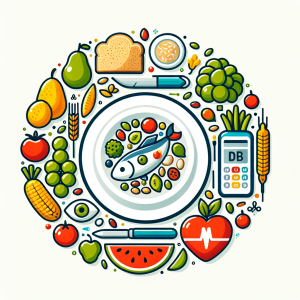
Recent research underscores the impact of diet on weight loss, comparing vegan diets with Mediterranean alternatives. Participants on a low-fat vegan diet lost more weight than those on a Mediterranean diet—emphasizing the role plant foods play in effective weight management. This case study highlights the value of plant-based diets as a healthier alternative to diets high in ultra-processed foods.
The Health Implications
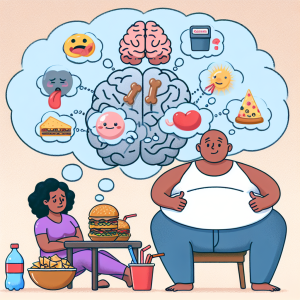
Ultra-processed foods are increasingly linked to conditions such as obesity and cardiovascular diseases due to their poor nutritional profile. Scientists have found that these foods can exacerbate health issues, such as obesity-related metabolic disorders, and can alter brain structure and function, driving addictive eating behaviors (Science Daily).
Obesity and Metabolism
New findings reveal a surprising role of the HSL protein in fat metabolism, suggesting that obesity and fat-loss disorders share underlying risks due to similar disruptions in metabolic processes
Impacts on Gut Health
Mediterranean and plant-based diets help prevent chronic constipation in aging adults, indicating the role of fiber beyond what is traditionally understood. This further emphasizes how diet quality influences gut health.
Policy and Public Health Strategies
Given the health challenges posed by ultra-processed foods, decisive public health interventions are essential. These include promoting whole and minimally processed foods, providing clearer nutritional labeling, and regulating advertisements for unhealthy food options.
The Future of Food Policy
The call for policy change is gaining momentum, urging governments to take action against the aggressive promotion of unhealthy foods. Policies should focus on increasing access to healthier foods while limiting the influence of the ultra-processed food industry
Conclusion
As the global community confronts the rise of ultra-processed foods, a balanced focus on policy and public awareness will be crucial in fostering healthier dietary habits. The evidence supporting plant-based diets stands not only as a testament to their benefits but also as a call to action—illuminating paths toward nutritional security and improved public health worldwide.