The Rise of AI in Combating Wildlife Crime and Conservation Challenges
Wildlife conservation is at a pivotal moment, as technological advancements are gradually transforming the landscape of efforts to protect endangered species. Among these innovations, Artificial Intelligence (AI) is emerging as a game-changer, especially in the fight against wildlife poaching, illegal trade, and habitat destruction.
AI’s Role in Monitoring and Protecting Wildlife
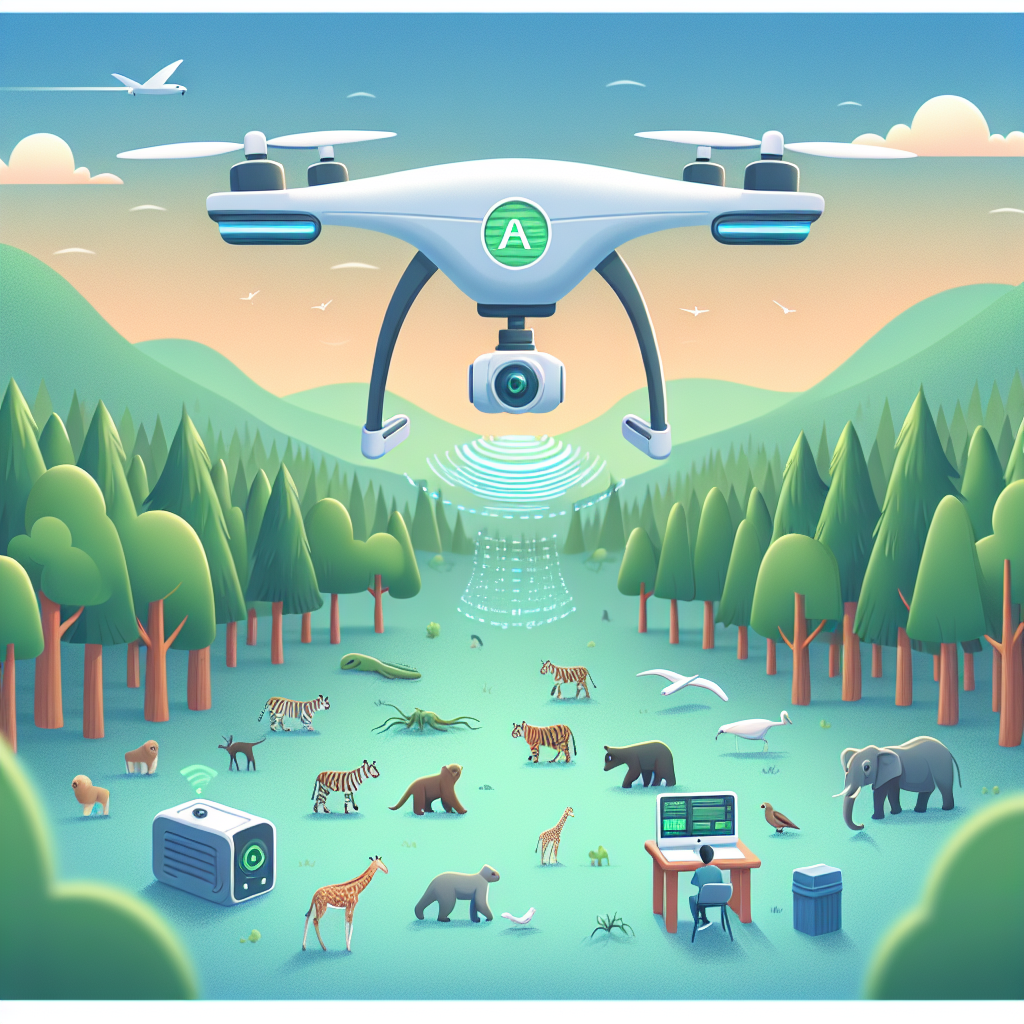
AI technologies are revolutionizing wildlife monitoring processes. With drones equipped with AI-powered cameras, conservationists can track animal movements and detect poaching in real time. These drones can cover vast, otherwise inaccessible terrain, providing crucial data for conservation efforts.
For example, the use of AI algorithms to analyze satellite imagery allows for accurate mapping of animal populations and their habitats. This technology helps identify critical areas that require protection and enables conservationists to efficiently prioritize their efforts.
Case Study: The Sumatran Tiger
Recent reports suggest a positive trend in the population of Sumatran tigers in areas protected through enhanced monitoring technology (New Scientist). Camera traps and AI-based analysis have been pivotal in tracking these elusive creatures, helping reduce threats from poaching and habitat loss.
AI in Combating Illegal Wildlife Trade
Illegal wildlife trade continues to be a significant threat to biodiversity, with poachers and traffickers often staying one step ahead of traditional surveillance methods. AI is turning the tide by enabling more dynamic responses.
Machine learning models can process vast amounts of data from customs and transportation logs to identify suspicious patterns, allowing authorities to intercept illegal shipments before they reach their destinations. This not only helps in rescuing trafficked animals but also disrupts the market for illegal wildlife products.
‘AI is not just a tool for managing conservation challenges, but a formidable ally in the war against biodiversity loss.’ – Conservation Biologist
The Impact of AI on Policy and Collaboration
AI’s data-driven insights are influencing policy decisions at national and international levels. By providing solid evidence of illegal activities and environmental changes, AI is facilitating more informed policy-making. Governments and organizations are now more equipped to allocate resources effectively and collaborate across borders to tackle global wildlife threats.
Challenges and Ethical Considerations
Despite the promise AI holds for conservation, some challenges remain. Privacy concerns arise when surveillance technologies are implemented in areas inhabited by indigenous communities. Ensuring that AI applications are used ethically and transparently is crucial for maintaining trust and effectiveness.
Moreover, as AI relies heavily on data, the quality and availability of data remain a challenge, especially in remote regions. Collaborative data-sharing initiatives between governments, NGOs, and the private sector can help overcome this hurdle.
The Future of AI in Wildlife Conservation
As AI technology continues to advance, its potential to combat wildlife crimes and support conservation efforts grows exponentially. The key is integrating AI with traditional conservation strategies, balancing innovative technology with community engagement and ecological knowledge.
The future holds promise for more automated and intelligent conservation tools, offering hope in the fight against biodiversity loss. By harnessing the power of AI, we can aspire to protect and rejuvenate our planet’s wildlife for generations to come.
For more information and updates on AI applications in wildlife conservation, visit New Scientist and Scientific American.