
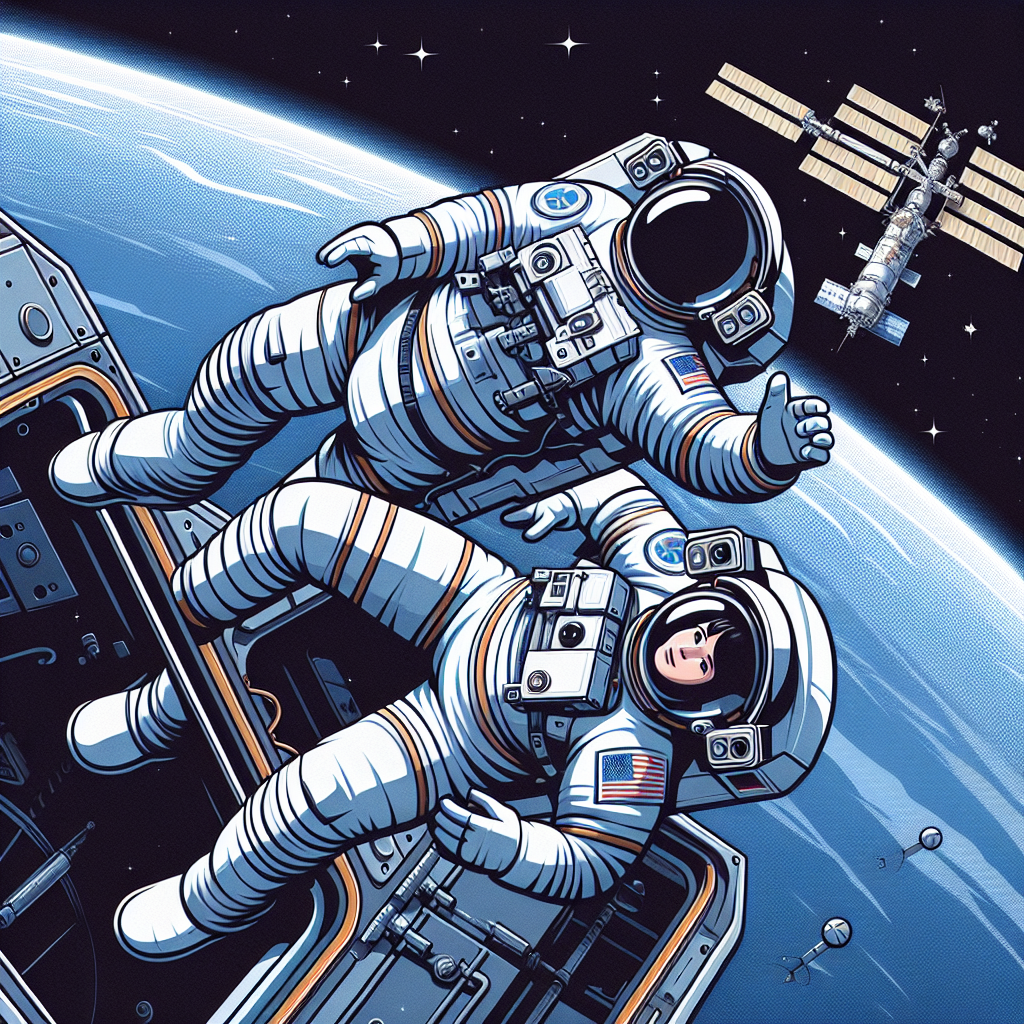
Astronauts Return Early: Lessons from ISS Medical Evacuation
Unexpected Homecoming for SpaceX Crew-11
NASA’s recent medical evacuation from the International Space Station (ISS) marks a groundbreaking shift in space mission protocols. The event underscores the adaptability and safety measures inherent in modern space programs. Four astronauts, who embarked on their mission over five months ago, have returned to Earth ahead of schedule due to an unspecified medical concern.
SpaceX Crew-11’s early return showcases the importance of flexibility and readiness in space travel. As reported by BBC News, their return was smooth, with NASA assuring the public that the affected astronaut remains stable.
The Significance of Medical Evacuation Protocols
The incident has fueled discussions about the protocols in place for handling medical emergencies in space. Ensuring crew safety remains a top priority, and NASA’s swift response underscores the efficiency of current systems designed to prioritize astronaut health.
According to The New York Times, the early return of the ISS crew following a medical issue is a first-of-its-kind scenario, highlighting the evolving nature of space travel dynamics and the potential complexities involved.
Lessons Learned and Future Implications
- Readiness for Medical Emergencies: The mission underscores the necessity of constant readiness to address unexpected medical situations. Such incidents encourage continuous advancements in onboard medical support and evacuation procedures.
- International Collaboration: Such evacuation scenarios often involve coordination between international space agencies, reflecting the collaborative spirit that underpins most space missions.
- Impacts on Crew Health Monitoring: This incident has spurred interest in enhancing continuous health monitoring protocols for astronauts to detect potential health issues before they escalate.
Looking Towards a Safer Future in Space Exploration
While this event demonstrates NASA’s capability to handle emergencies, it also opens the floor to discussions about future improvements. Agencies must remain vigilant and proactive, ensuring robust health and safety measures are embedded in mission designs.
Space travel is poised for rapid advancements, with agencies like NASA continually learning from past missions. These experiences help pave the way for safer and more efficient exploration beyond Earth’s orbit. ‘Adversity yields innovation,’ said a NASA spokesperson, emphasizing the agency’s commitment to evolving its approach based on lessons learned from practical challenges in space exploration.
The Crew-11 case is a testament to the dedication and preparedness inherent in today’s space endeavors, continually advancing the frontier of human capability in extraterrestrial environments.