Drones and Arctic Whales: Scientific Advances in Marine Biology
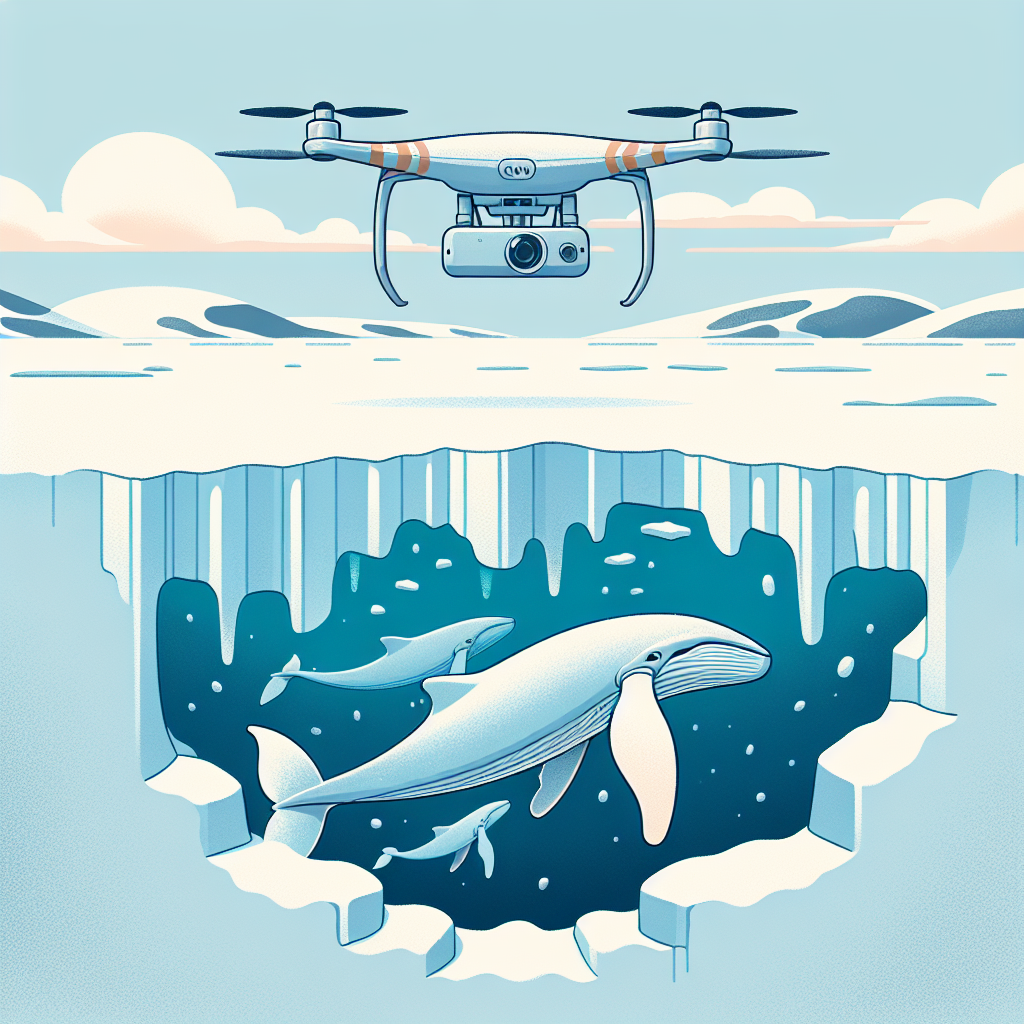
Researchers made a breakthrough in understanding the health of wild humpback whales using drones. According to BBC, drone technology is now capable of collecting whale breath samples, providing essential insights into the health status of these magnificent marine mammals. The ability to gather such information without disturbing the whales is a testament to the innovative application of drones in marine biology.
Advancements in Whale Health Monitoring
Historically, understanding whale health has been a daunting task due to the difficulty of collecting samples in their natural habitat. However, the development of drone technology has revolutionized this process. By using drones to collect whale blow—in essence, whale exhalations—scientists can analyze the samples for pathogens and stress hormones, gaining valuable data on these creatures’ health and environmental stressors.
The Role of Technology in Conservation
The use of drones is not an isolated technological advancement. It reflects a broader trend of incorporating cutting-edge technology in conservation efforts. By employing advanced technology like drones, scientists can not only monitor the health of individual species but also gain insights into broader ecological impacts, such as climate change and habitat disruption.
Environmental Impacts on Marine Life
The implications of these findings are vast. Understanding health trends in whales can indicate the health of the ocean itself. Changes in whale health could signal shifts in ocean conditions, such as water temperature, pollution levels, and food availability.
- Temperature Changes: Global warming can alter ocean temperatures, affecting krill populations, the primary food source for many whale species.
- Pollution: The presence of contaminants in whale blow can provide insights into pollution levels in their habitat.
- Food Availability: Variations in whale health can reflect shifts in the abundance of their prey, with cascading effects on marine ecosystems.
Future Implications
The ability to collect health data from whales using drones represents just one way technology is changing our understanding of marine biology. As these methods improve, they may lead to even broader applications in monitoring ocean health and mitigating the impacts of climate change. As drone technology becomes more sophisticated, its potential uses in marine biology are likely to expand, enabling even more detailed and expansive studies of marine ecosystems.
Ultimately, these advancements offer hope not only for the conservation of whale populations but for the protection of ocean health on a global scale. As we continue to develop new technologies and applications, the opportunities to safeguard marine life and ecosystems will grow exponentially.
For more on how drone technology is reshaping our understanding of marine biology and the environment, visit BBC’s full article.