NASA’s Artemis II Mission: A Leap Towards the Moon and Beyond
The ambitious Artemis II mission is set to mark a new era in space exploration, rekindling the excitement of lunar exploration and setting the stage for future manned missions to the Moon and Mars. This mission signals NASA’s continued commitment to deep space exploration and aims to establish a sustainable human presence on the Moon by the end of the decade.
An Overview of Artemis II
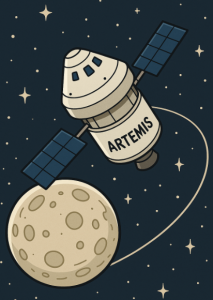
Scheduled for launch no earlier than March 2026, Artemis II will be the first manned mission to the Moon in over 50 years. Unlike its uncrewed predecessor, Artemis I, this mission will carry a crew of four astronauts who will orbit the Moon, testing critical systems necessary for human space exploration. The primary objectives are to continue Orion’s testing in a deep-space environment and to demonstrate the operations required for missions beyond low-Earth orbit.
The Mission Crew
The dedicated crew comprises NASA astronauts Reid Wiseman, Victor Glover, and Christina Koch, and Canadian Space Agency astronaut Jeremy Hansen. These seasoned astronauts bring a wealth of experience in space operations and mission management, ensuring a highly skilled team spearheading this pivotal space mission.
Reid Wiseman: Mission Commander
Reid Wiseman will serve as the Commander for Artemis II, bringing his extensive experience and leadership gained from previous missions. His role is crucial in guiding the mission from launch to recovery.
Victor Glover: Pilot
Victor Glover will serve as the pilot, drawing on his recent experience from the SpaceX Crew-1 mission aboard the International Space Station. His expertise in spacecraft operation is key to the mission’s success.
Christina Koch and Jeremy Hansen
Christina Koch, recognized for her long-duration spaceflight aboard the ISS, and Jeremy Hansen, making his first flight, and bring diverse skills and perspectives to the mission.
Technological Innovations and Challenges
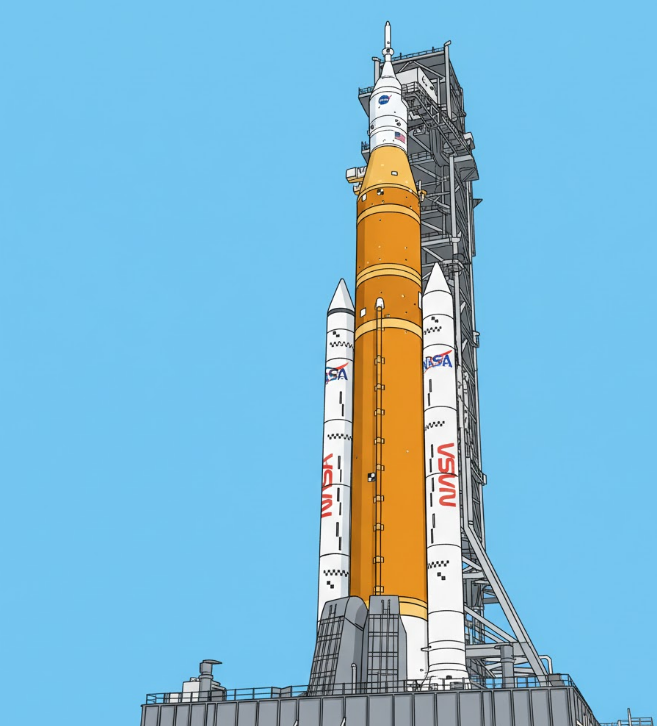
Artemis II is equipped with cutting-edge technology designed to ensure the safety and success of deep-space missions. From the powerful Space Launch System (SLS) rocket to the advanced Orion spacecraft, these systems are built to withstand the harsh conditions of space. The mission will test human life support systems, communications, and navigation capabilities essential for successful manned lunar expeditions.
The Path Forward
‘This mission is pivotal, serving as the forerunner of more profound explorations to come,’ NASA’s spokesperson highlighted during a recent conference.
The success of Artemis II is crucial to subsequent missions under NASA’s Artemis program, which aims to land the first woman and the next man on the Moon by 2028 and eventually send astronauts to Mars.
Why This Mission Matters
NASA’s vision extends beyond mere lunar exploration. The Artemis program is a significant stepping stone towards the Red Planet, with Artemis II acting as a crucial testbed for future exploration technologies and human adaptability in space.
By engaging international partners and industry, Artemis II not only fosters collaboration but also inspires a new generation of space enthusiasts and pioneers. As the mission approaches its launch window, public engagement and interest continue to soar, marking this as a monumental step for humanity’s journey beyond Earth.
Conclusion
Artemis II symbolizes hope and ambition for the next era of space exploration. By pushing technological boundaries and encouraging global collaboration, NASA is set to embark on an extraordinary journey that will capture the world’s imagination and establish a foundation for an enduring human presence on the Moon and beyond.