Polar Bears: Adapting to Survive Amidst Climate Change
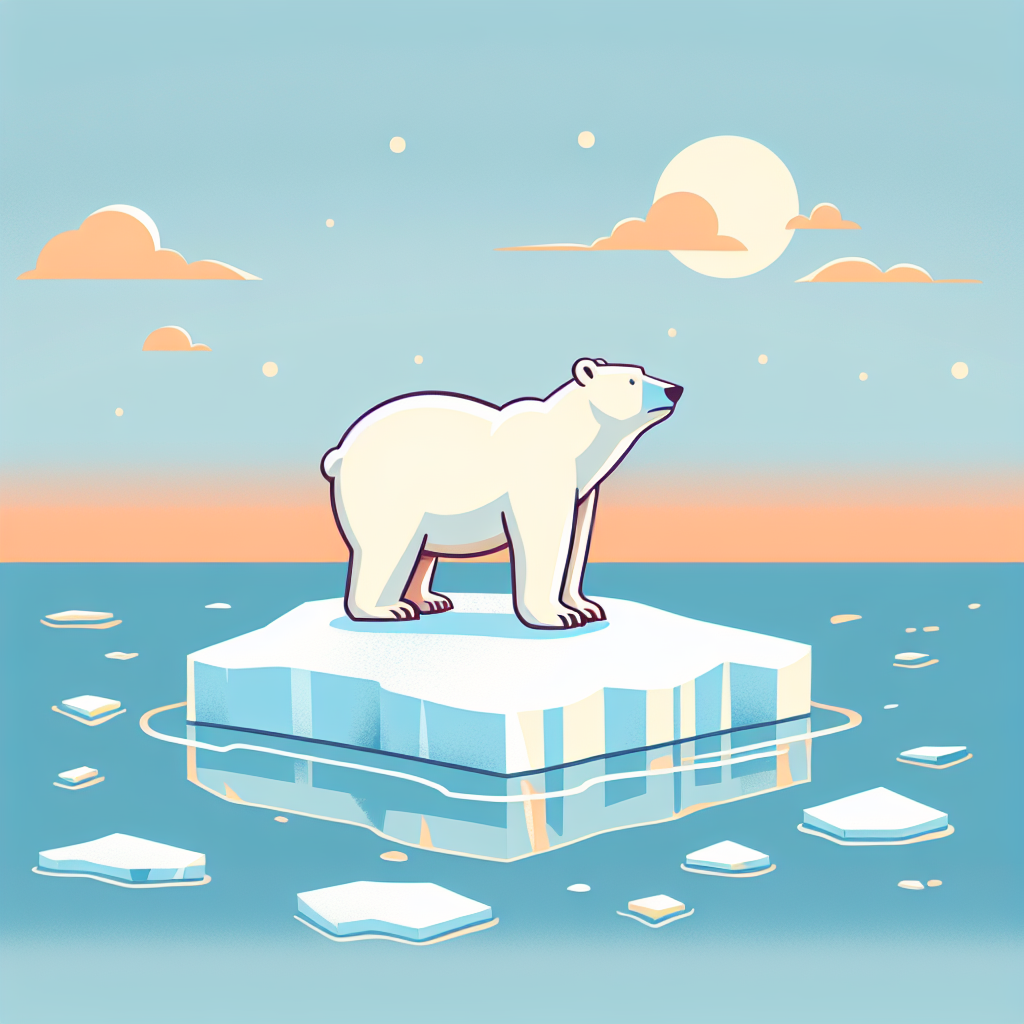
As Arctic sea ice declines due to climate change, polar bears, iconic symbols of the Arctic, are demonstrating remarkable adaptability. Recent reports from various scientific sources indicate that some populations of polar bears are not only surviving but, in some areas, thriving despite the challenges posed by a warming climate. This paradoxical situation highlights the resilience and adaptability of one of nature’s most formidable predators.
New Adaptations Among Polar Bears
Researchers studying polar bear populations in Svalbard, a Norwegian archipelago in the Arctic Ocean, have uncovered surprising adaptations that these bears exhibit in response to diminishing sea ice. Scientists have noted that the loss of sea ice has forced these bears to rely more on land-based food sources, which previously comprised a minor part of their diet. As reportd by the BBC highlights how Svalbard polar bears have expanded their diet to include more terrestrial prey, which has resulted in them becoming ‘fatter and healthier’ even as their traditional ice-based hunting grounds disappear
‘The effects of climate change, at least locally, may be making them healthier,’ said Magnus Andersen, a polar bear researcher and co-author of the study.
Behavioral and Genetic Changes
The adaptation of polar bears to new terrestrial prey is accompanied by significant behavioral and potentially genetic changes. According to a Mother Jones report, these behavioral shifts are complemented by rapid genetic responses to environmental change. This phenomenon may be their way of coping with the rapidly changing climate, which is exerting evolutionary pressures on a scale rarely observed.
Climate Change: A Catalyst for Evolution
The polar bears’ ability to adapt to such extreme conditions poses an interesting question for biologists: could climate change potentially act as a catalyst for evolution? According to ABC News, a new study suggests that polar bears are undergoing genetic changes that enable them to use new dietary sources. This change in their genetic code is crucial as it could improve their fitness in a warming Arctic environment.
The Impact of Human Activity
While polar bears are showing resilience, the impact of human-induced climate change cannot be overstated. The global rise in temperatures due to excessive carbon emissions has led to unprecedented melting of Arctic ice, the primary habitat of these majestic creatures. Science Daily reports that the melting Antarctic ice alone could potentially weaken the world’s largest natural carbon sink, exacerbating global warming and further threatening not only polar bears but countless other species worldwide.
- Rapid adaptations in polar bears show the potential for wildlife to survive in changing climates.
- There is a pressing need for decisive human action to mitigate climate change and ensure the survival of all species, including polar bears.
The Future of Polar Bear Conservation
As we move further into the era of climate change, conservation efforts must adapt to focus on resilience and adaptability in wildlife. Current research suggests that protecting diverse ecosystems and allowing for natural adaptation will be pivotal. This adaptive approach could involve more than conserving existing habitats; it also supports new behaviors and dietary adaptations that species such as polar bears are developing.
The ongoing research and findings further emphasize the importance of observing and understanding these adaptations. As the world faces the realities of climate change, these resilient bears serve as a testament to nature’s adaptability and also as a stark reminder that enduring efforts are critical to mitigate the impacts of global warming.