How This Study Could Improve Liver Cancer Treatment
Here’s a question that could change cancer treatment: What if a liver tumor isn’t as resistant to treatment as it seems?
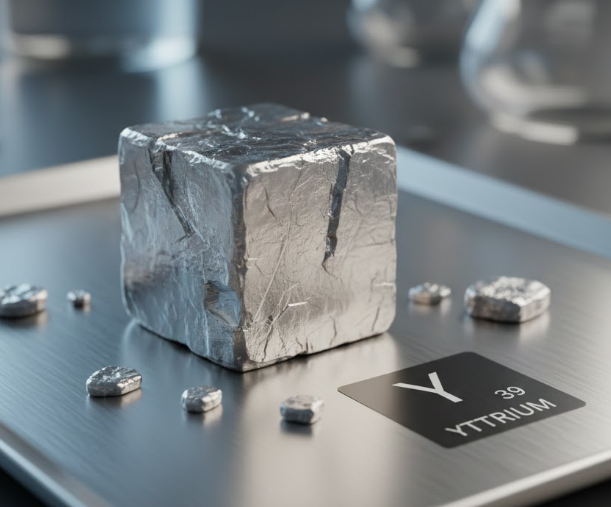
A new study on Yttrium-90 radioembolization is turning the spotlight on this very possibility, busting myths about how we perceive and treat hypovascular liver tumors.
Imagine a typical rural health facility in a low- to middle-income country (LMIC). The resources are stretched, the staff are hardworking, but few, and any advancement in effective treatment that can manage severe conditions like liver tumors would change many lives. This recent research on Yttrium-90 delivers a ray of hope that could change the narrative.
The Study Unveils
For a long time, tumors showing low vascularity were considered tough nuts—hard to crack with conventional radioembolization methods. But a team of researchers, led by Mira Malavia and colleagues, has challenged this belief. Using a clever dosimetry hack, they found that these so-called ‘stubborn’ tumors could be more receptive to Yttrium-90 treatment than initially thought.
Their study included 27 patients with primary or secondary liver cancer exhibiting arterial-phase hypovascularity. They employed a technique based on 99mTc-MAA SPECT/CT voxel dosimetry, revealing that these tumors may absorb radiation more effectively than visual assessments suggest.
The Real-World Impact
Now, this is where it gets interesting for clinicians and patients alike: The study demonstrated a favorable response to treatment, with 41% achieving a complete response and 33% showing partial improvement. For health practitioners in LMICs, the implications are profound. With fewer resources and access to advanced technologies, they can potentially leverage this knowledge to fine-tune treatments and improve patient outcomes without a hefty investment in new infrastructure.
In bustling urban settings where hospitals treat large numbers of cancer patients, integrating these findings could make treatments more effective and efficient. By using existing imaging technologies more strategically, doctors could better target radiation doses—helping not only cure but also conserve health resources.
This research doesn’t just stop at theory. It provides actionable insights into adjusting treatment settings to meet each patient’s individual needs, addressing tumor absorption rate variability.
Let’s Explore Together
Would you try such new dosimetry techniques in your local hospitals? Do you believe this study’s findings could be applied to treatment protocols in communities worldwide? What other everyday problems would you like science to address vigorously? Share your thoughts and keep the conversation going as we continue exploring the frontiers of medical science together.