
Science Under Siege: This Week’s Reckoning for Climate, Space, and Health
From the heights of remote space to the pulse of heart transplant wards, this week’s science news reads like an urgent challenge to knowledge itself — with climate research under political attack, a small planet defying cosmic definitions, and sobering truths about pediatric heart transplants. Brace yourself, because the fight for facts and progress is heating up on every front.
The Climate Science Smokescreen
For decades, the U.S. was a global trailblazer in climate research, pioneering key labs and climate models that paved the way for our understanding of Earth’s delicate balance. But the Trump administration’s latest crusade to defang climate science is like watching a bulldozer roll over a garden of precious seedlings. Hundreds of scientists lost their jobs, programs dissolved without fanfare, and historic climate data vanished from official websites. The U.S. Global Change Research Program was dismantled, NOAA faced funding cuts, and NASA’s venerable Goddard Institute was unceremoniously evicted — a symbol of science kicked to the curb. Yet amid this chaos, scientists refuse to be silenced.
Professional unions and academic alliances are mobilizing to fill the vacuum left by government retreats. Conferences continue internationally, climate assessments are being crowd-sourced, and rebuttals to misinformation flood social media and journals. But it’s more than a battle for dollars and data — it’s a defense of democracy itself, as the scientific community recognizes that standing up for truth means standing up to forces undermining society’s foundations.
Pluto’s Unexpected Stardom
Meanwhile, 3.3 billion miles away, a small frozen orb called Pluto is capturing hearts and inspiring a grassroots festival in Flagstaff, Arizona — the very place where it was discovered nearly a century ago. Once stripped of planet status in a controversial 2006 decision by an international committee, Pluto has become a cultural and scientific celebrity, defying definitions, with its massive glaciers and a signature heart-shaped nitrogen region revealed by NASA’s New Horizons probe. The “I Heart Pluto Festival” isn’t just nostalgia or whimsy; it’s a celebration of American discovery, scientific spirit, and an underdog’s charm.
Attendees rally against the “dwarf planet” label with a mix of humor and reverence, showing that science is not only about cold facts but also a human story of curiosity, identity, and even protest. Flagstaff’s civic pride and the passionate campaign “Make Pluto America’s Planet Again” underscore how deeply science can connect people to place, history, and to each other.
The Fraught Heart of Pediatric Transplants
Closer to home and far less sentimental, a pair of groundbreaking Stanford studies exposes troubling truths about the pediatric heart transplant system. Despite decades of improvement in survival rates, these gains owe more to leaps in medical care than to the flawed system ranking urgent cases for donor hearts. The current three-tier waitlist often fails to prioritize the sickest children, letting some priority-2 patients dangerously languish below less urgent but longer-waiting peers. Exceptions granted to certain cases complicate fairness, with some less-sick kids bumped ahead, raising heartbreaking questions about equity and ethics. Researchers call for a sweeping overhaul: a nuanced, continuous scoring system incorporating kidney function, nutrition, and chances of recovery — rather than blunt categories — to truly save young lives and allocate precious organs with justic
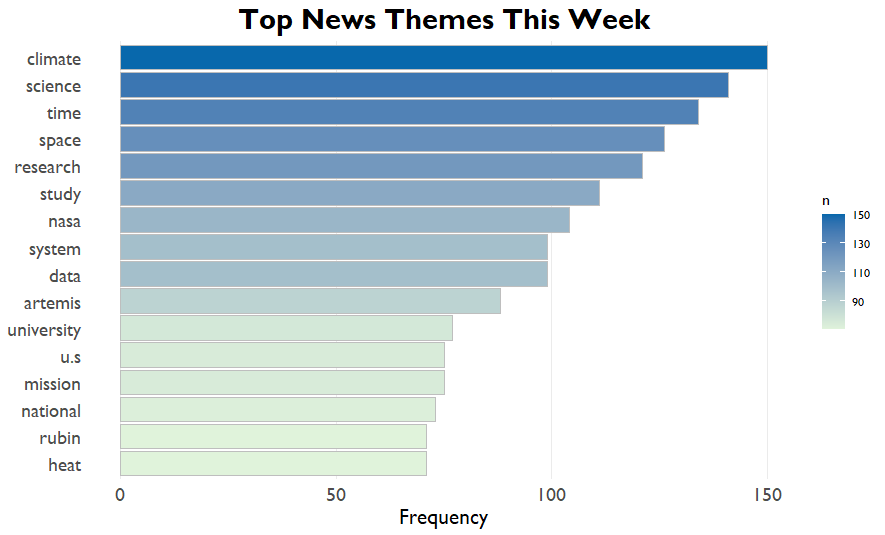
This week’s science highlights a common thread: knowledge is contested territory, rigged with battles over truth, values, and survival. Climate science fights to remain valid amid political war; a tiny world defies classification, becoming a symbol of enduring curiosity and American ingenuity; and pediatric heart patients wait for systems to catch up with their urgent needs.
Science is not safe; it is a living struggle. But the resilience and resolve of researchers, advocates, and citizens keep the flame alive. The question remains: will the world’s leaders and communities choose to shield this flame — or let it flicker out under the weight of indifference, denial, and shortsightedness? This week, the answer is still being written