
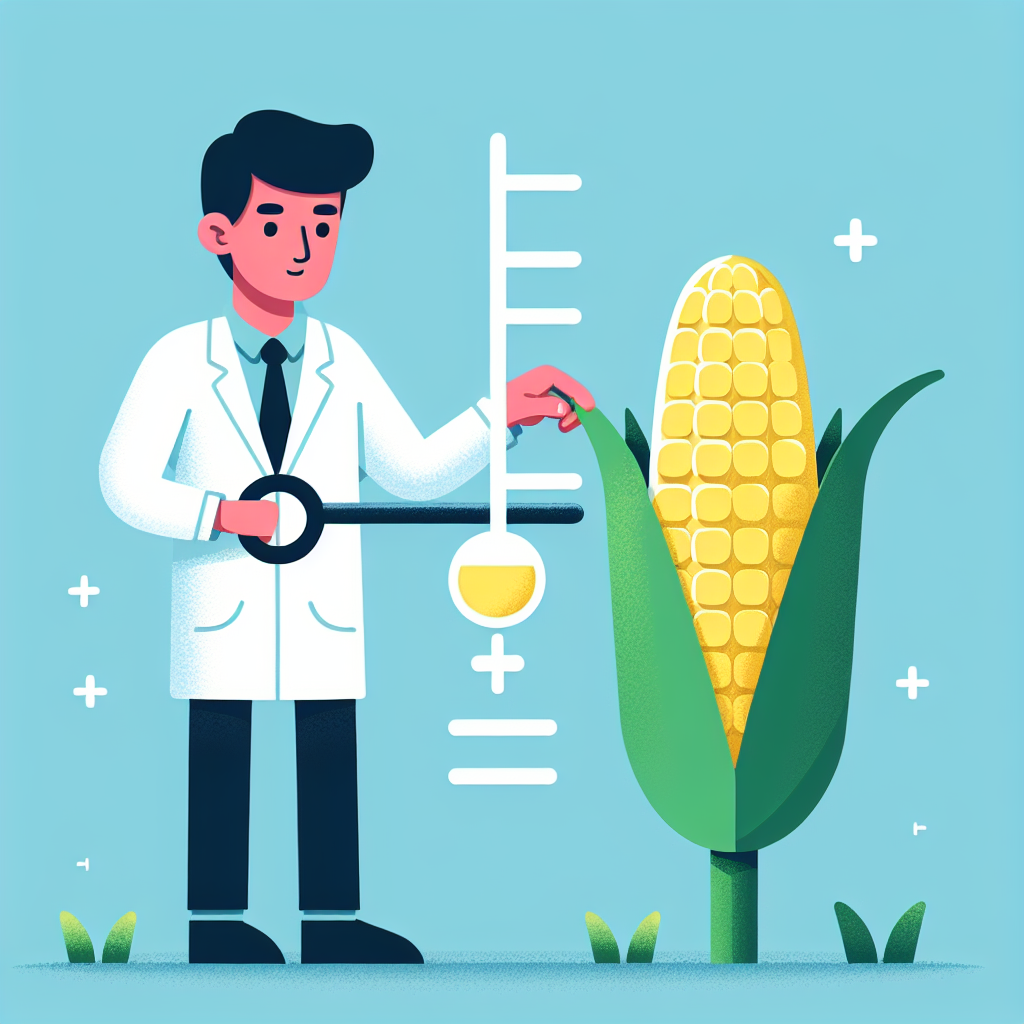
Simple Solutions to Halve Crop Losses
Did you know nearly a third of harvested crops never make it to the dinner table? The culprit: poor storage conditions. But a new tweak may turn the tables for farmers worldwide.
Picture this: you’re preparing a warm bowl of rice, and unknowingly, you’re part of a story that spans continents and centuries. From the rice paddies in northern Thailand to the bustling markets of Lagos, smallholder farmers face a common challenge. Much of what they grow rots before it can be sold or consumed. It’s a dire narrative that has starved economies and limited access to food.
Reimagining Storage Techniques
Local farmers know how vital proper storage is. In villages where weather misjudgments can ruin a year’s work, keeping grains dry might mean the difference between prosperity and hardship. Storing crops poorly is like leaving your umbrella behind on an overcast day; you’re unprepared for an inevitable storm.
The Revelation
Notably, scientists identified a simple yet effective solution. Through comprehensive testing, they found that lining traditional storage with a metallic foil drastically reduced moisture penetration. This innovation, led by a research team in India, was as startling as discovering that squeezing a lemon over spinach boosts its nutritional power.
Imagine the team’s collective ‘aha’ moment when they realized that such a basic material could have significant ramifications for global food security. Farmers reported a 20% increase in crop yield saved solely by revising storage methodologies using AI. Such techniques hold significant promise, especially in regions hardest hit by climate instability.
From Lab to Field
Translating this into tangible benefits is no small feat. Foil-lining storage can be rolled out with minimal investment and offers a cost-effective solution for resource-constrained communities. Especially in landscapes where extreme rainfalls or heatwaves exacerbate food shortages, this innovation becomes not just practical but transformative.
Consider a community in sub-Saharan Africa, implementing foil techniques could mean their children no longer go to bed hungry, their futures not shackled by malnutrition.
Critical Reflections
We believed technology alone would solve agricultural inefficiencies, yet the data surprises us, highlighting that sometimes low-tech innovations wield formidable power. When resources are limited, simplicity often breeds brilliance.
Could these insights help mold your local agricultural practices? If scientists dared to upscale this experiment, which crop or region should be prioritized?
Let’s Explore Together
The insights here challenge us to reconsider how we approach global food systems and sustainability. Could this idea work in your community? What modifications might make it more effective?
For further inspiration, explore the research at this link.