Antarctic Ecosystem Index: Unveiling Climate Change Hotspots
How does the harsh, icy environment of Antarctica hold so much ecological power? Scientists have revealed that specific coastal areas known as polynyas, despite their harsh climates, hold the key to a thriving Antarctic ecosystem. But how resilient are they in the face of climate change?
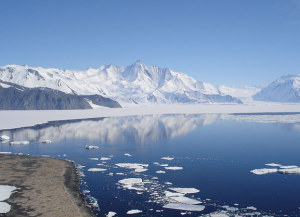
Imagine the Antarctic deserts of ice suddenly buzzing with life. That’s what happens in coastal polynyas: zones with reduced sea ice creating tiny, warm water sanctuaries packed with vibrant biological activity. These icy pockets harbor life from microscopic phytoplankton to fish and the majestic emperor penguins. Researchers have recently developed the Antarctic Ecosystem Value Index, a novel tool that facilitates understanding of these unique regions.
Understanding the Antarctic Ecosystem Value Index
This index integrates thousands of small data threads from across the food web, incorporating details about krill, fish biomass, and bird populations to quantify the ecological value of marine areas surrounding Antarctica.
The shocking revelation? Coastal polynyas exhibit ecological index values that are more than 70% higher than those of their surroundings, underscoring their indispensable role in sustaining Antarctic biodiversity.
The Research Story
The team of scientists, led by Alice DuVivier and collaborators, looked at historical observations and model simulations to identify these hotspots. A crucial goal was to develop a system capable of predicting future locations of high ecological value, particularly in the context of climate change.
Using advanced Earth system models, they projected the value of these locations over the 21st century, with a focus on species such as the emperor penguin. These predictions were highly successful in demonstrating that, despite environmental change, certain high-value zones will continue to serve as ecological strongholds.
The Importance of Polynyas
Polynyas function like underwater oases surrounded by vast expanses of barren ice. Imagine standing by an oasis in the desert versus anywhere else — that’s how critical these spots are for Antarctic life.
During the polar night and the extreme sea-ice seasons, these zones are characterized by intense nutrient upwelling, which fosters phytoplankton blooms. These are not quaint spectacles but biological powerhouses that sustain krill and higher predators such as seals and penguins.
Impact and Real-World Implications
This discovery is not just about understanding Antarctic marine life. It delivers a crucial message to conservationists and global policymakers: Protecting these key areas is imperative. In East Antarctica and the Amundsen Sea, new opportunities for protection have been identified that could serve as defenses against rapid climate change. Moreover, a better-protected Antarctic marine environment could also stabilize fisheries worldwide, given the global importance of this ecosystem’s health.
Sparking Continued Exploration
As we look into the future, it becomes vital to ask: How might changes to these polynyas affect the species depending on them? Could there be an impact on global fish stocks that countries across the globe depend on? These questions are not just for scientists but for the entire global community to ponder and act upon.
Let’s Explore Together
The door is now wide open for dialogue and exploration. How could communities in resource-scarce regions use this knowledge for sustainable fishing practices? Could this model be replicated in other icy oceans, such as the Arctic? Should there be a universal governance model for such ecological treasures?
Your insights and shared experiences are invaluable. Engage, question, share this knowledge, and let’s work together toward better stewardship of our planet.