Neanderthals: The Original Architects of Europe’s Landscapes
The once prevalent notion that Neanderthals and early humans scarcely influenced Europe’s landscapes during prehistoric times has been steadfastly challenged by new research that lays out an entirely different historical narrative.
This blog examines the profound and lasting ecological impact these ancient populations had on shaping the European environment long before the advent of agriculture.
The Forgotten Land Architects
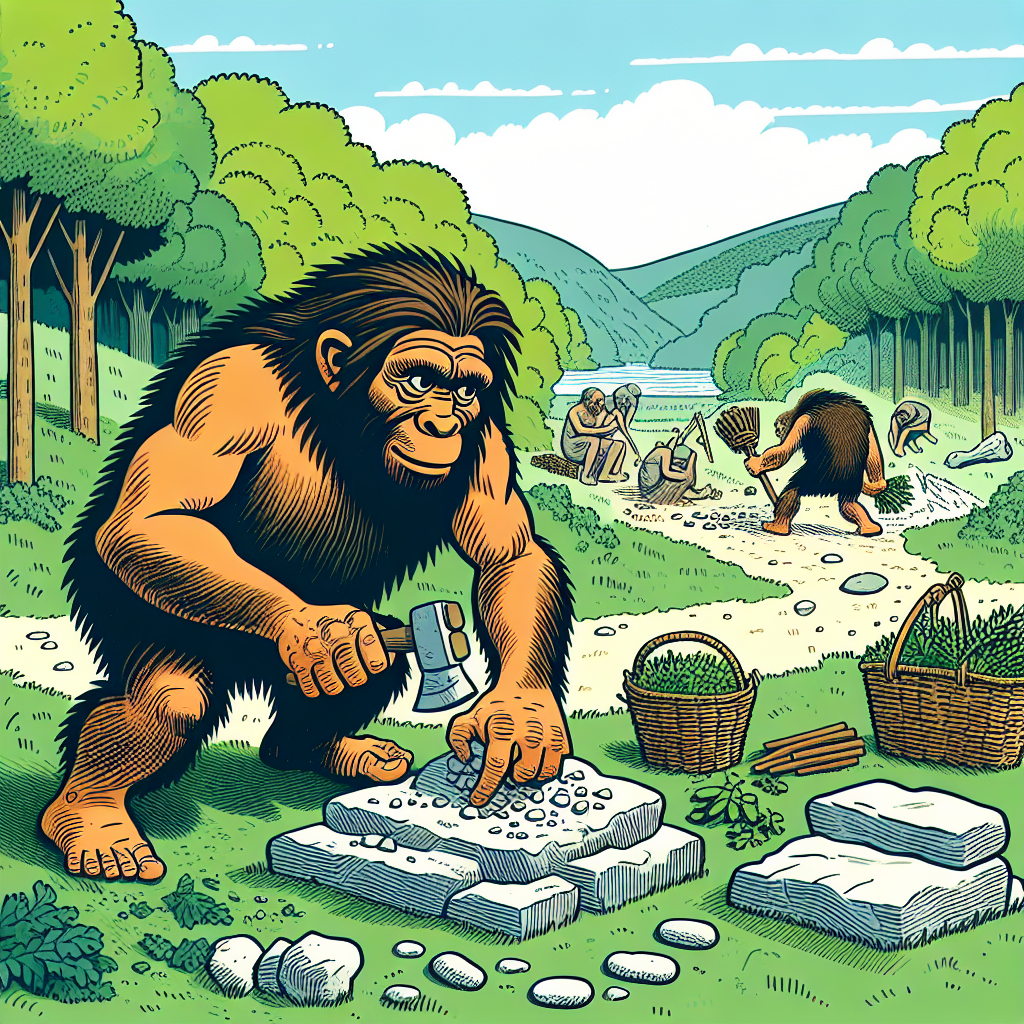
Traditionally, pre-agricultural landscapes were considered untouched bastions of natural purity. However, findings now depict a contrasting image of these prehistoric communities as active participants in ecological transformation. These early hunter-gatherers, including Neanderthals, used fire and hunting strategically to alter and manage vast terrain, shaping forests and other ecosystems to maximize their survival prospects.
Reshaping the Vegetation
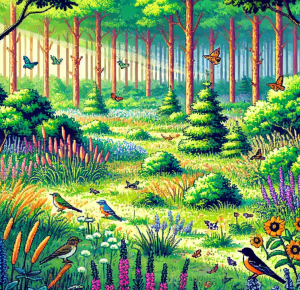
New data suggests that Neanderthals wielded fire not just as a tool for warmth or cooking, but as a deliberate ecological tool to manage environments. Through controlled burns, they influenced plant composition across various regions, fostering habitats that attracted wildlife and increased food availability. The presence of interglacial pollen patterns that diverge from climate expectations reinforces this scenario, suggesting a deliberate land-management approach by these early humans.
A Collaborative Ecosystem Impact
Aside from vegetation management, these communities also hunted large herbivores, significantly reducing pressure on plant life and leading to a transformation in the landscape. By thinning these populations, Neanderthals indirectly encouraged forest growth, ultimately allowing more biodiversity to thrive, as surviving species faced less competition for resources.
Implications for Modern Conservation
This newfound understanding of Neanderthal land management reshapes not only historical perspectives but also modern conservation practices. By acknowledging pre-agricultural human impact on natural landscapes, conservationists can draw parallels between ancient practices and sustainable methods that modern societies can emulate to manage environments responsibly.
An Ongoing Journey of Discovery
Enhancing our understanding of the deep-seated connection between humans and their environments underscores the importance of historical ecology in the ongoing dialogue about land use and sustainability. With current climate challenges at our doorstep, reevaluating historical interactions with landscapes provides valuable insights into how human practices can either deplete or enrich natural environments. Explore the full study
The exploration of the past continues to shed light on pressing modern issues, guiding contemporary society towards more robust and harmonious ecological engagements. As we unravel the layers of our ancient landscapes, we also peel back the possibilities for a future where human presence embodies sustainability and coexistence with the natural world.