
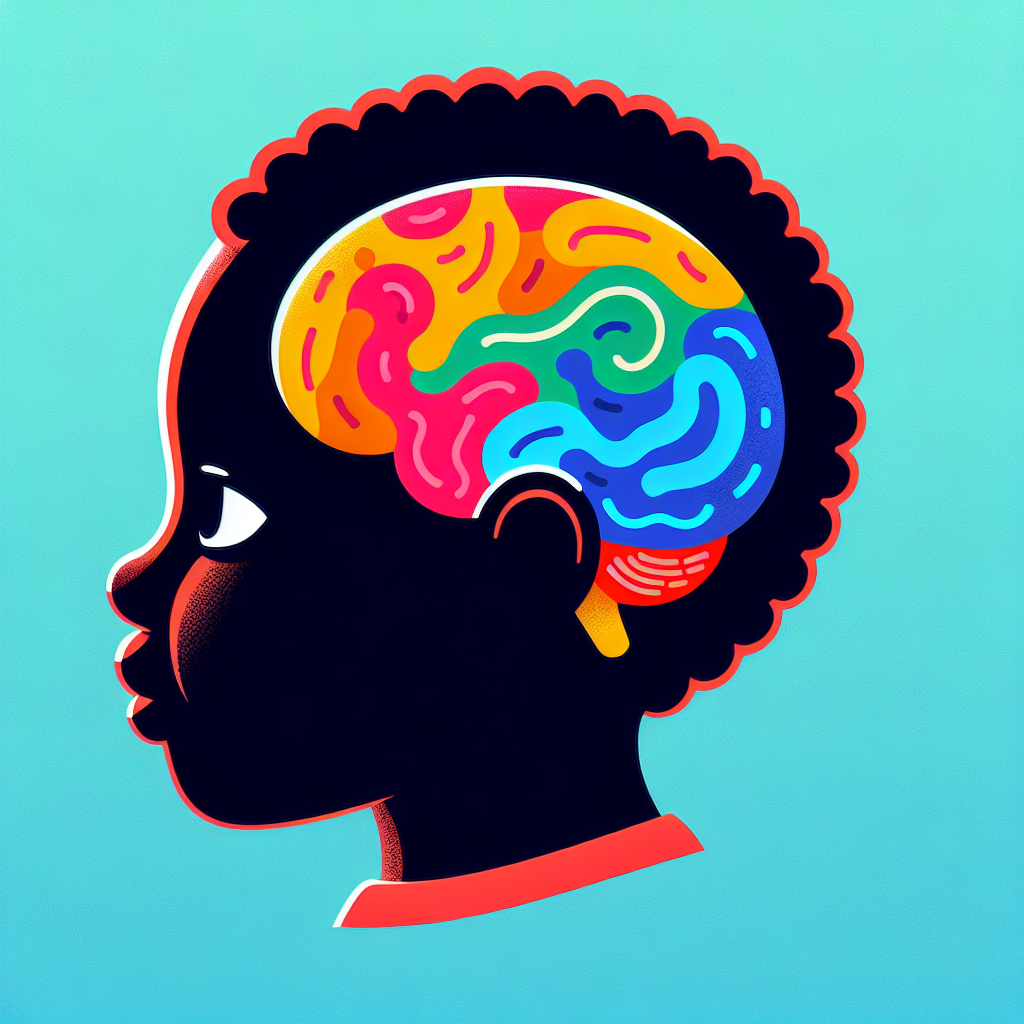
Child Brain Maps: Early Patterns Reveal Lifelong Insights
The human brain can reorganize itself in remarkable ways, especially in children born with only one hand. But how early does this dramatic change start, and what does it mean for their future capabilities?
The latest research reveals that children demonstrate global remapping in their sensory brain areas as early as age 5.
Picture a young child in a remote village, relying more on their feet or mouth to manipulate objects. This skill isn’t just improvisation; it’s the brain’s response to real challenges.
Understanding the Science Through Local Lenses
The finding is akin to how football players train their non-dominant foot—repeated drills lead to stronger abilities over time. For a child born without a hand, using other body parts for daily tasks triggers similar brain adjustments. It’s like shifting your phone usage from a slow 3G network to a more dynamic 5G one.
Inside the Laboratory
Some researchers use cutting-edge neuroimaging to monitor brain development. By studying both children and adults with congenital limb differences, they uncovered new insights into the functions of the sensory and motor cortices. The shift from brain theory to real-world evidence was palpable when children in semi-ecological settings showed compensatory behavior not seen in adults.
The Aha Moment: Discovering Adaptive Potential
Think about how kids might use their toes to grasp objects. The study showed that children born with limb differences use more body parts to perform tasks than adults do. It’s a bit like upgrading from playing a basic keyboard tune to producing a complex symphony.
What This Means for Our Future
This discovery challenges previous assumptions about development, suggesting that preparation for such compensatory behavior is laid out very early in life. The findings hint at broader applications, from crafting educational games enhancing coordination in young kids to designing practical aids for people who have lost limbs.
Long-Term Implications for Developing Communities
In densely populated urban areas or low and middle-income countries (LMICs), these insights are vitally important. Consider community health workers teaching mothers in tropical regions about neuroplasticity to better nurture early child development, or policymakers advocating for adaptive learning resources in education systems.
Nurturing a Curiosity for Brain Growth
The realization that foundational changes in the child’s brain maps precede experience reshapes our understanding of neurodevelopment. It encourages us to question how early environments, nutrition, and even play influence this formative stage of life.
Let’s Explore Together
This fascinating subject opens up vital questions: How might innovations in childhood education harness these early neural changes? What cultural wisdom can communities worldwide offer to improve adaptive learning methods? And could future interventions focus more on maximizing inherent neural potential from birth?
Share your thoughts! How might understanding early brain remapping affect your field? What interdisciplinary alliances could bring this research into practical applications globally?