When Prey Vanish: Predators Change Their Ways
In the vast forests of North America, a predator dance plays out that depends on the whims of its prey. When the snowshoe hare cycles into decline, what happens next?
Across the northern landscapes, Canada lynx reign as silent, stealthy hunters. Their main dish? The snowshoe hare.
However, like a well-timed suspenseful plot, hare populations don’t stay eternal. Every 8-11 years, they dive, leaving predators scrambling.
The Hare’s Tale
For a local village nestled in central British Columbia, these cycles aren’t just about furry creatures in the forest—they echo through local ecosystems and economies. The cyclical dance of abundance and scarcity traces back to ancient tales, when our ancestors noted the ‘boom and bust’ of animal life, a concept known now as population dynamics.
The Research Adventure: Unraveling the Mystery
Researchers Shannon Crowley, Chris Johnson, and Dexter Hodder embarked on a quest to decode this dance. Armed with camera traps and backed by local communities, they ventured into the dense boreal forests. Their findings were startling yet insightful—the dynamic interaction not only involves the lynx but also other opportunistic predators like coyotes and wolverines (Crowley et al., 2026 study)
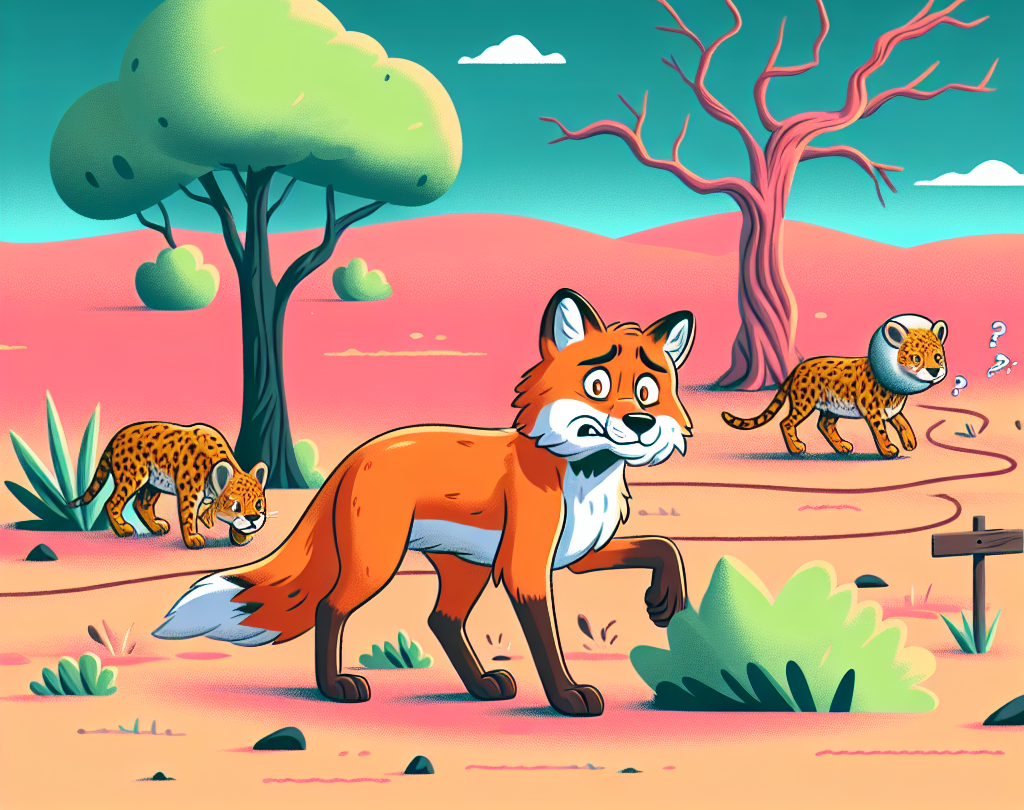
With these cameras, capturing fleeting moments, an unexpected tableau unfolded. When hares plummeted, interactions between various predators surged. Lynx, typically solitary and focused, found themselves mingling with coyotes and fishers in a shared struggle for survival.
Overlapping Worlds: The Unexpected Story
Imagine a multi-layered cake, where each layer signifies the forest’s strata—from dense undergrowth where the hare graze to towering canopies. Lidar technology peeled back each layer, revealing how predators navigated this complex terrain, seeking not only prey but staying clear of rivals. These interactions—signs of ‘overlapping worlds’—emerged sharpest during the lean years.
Why It Matters
Why care about a tussle among trees and snow? Picture your phone losing signal in a bustling city—just as forests change, so do prey and predators. For communities relying on steady wildlife populations, whether for tourism or trade, these intricate balances can tip the scales of their livelihoods.
The symphony of nature isn’t just about survival; it’s about adaptation and resilience. As climate change shuffles the ecological cards, understanding these predator-prey cycles may prove crucial for preserving biodiversity and sustaining communities intertwined with nature’s clock.
A Call for Exploration
What do these predator dynamics teach us about future challenges? Could community-led initiatives offer more insights? How might urban planners learn from such natural balances? These questions open deeper dive into our intertwined fates, urging us to uncover more.
Let’s embark on this journey together, as custodians of knowledge and stewards of our shared planet.