Proterozoic Oceans: Green but Less Productive
What if our oceans were once much greener but far less productive? Researchers have just revealed insights into the Proterozoic oceans that challenge our understanding of early life on Earth.
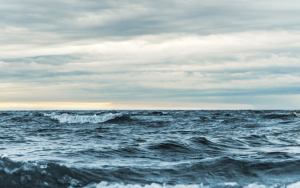
You might wonder how this ancient ocean matters today. Imagine standing at the edge of a vast lake, watching the sun bounce off its green surface. This scene echoes new scientific findings where massive blooms of tiny organisms once colored the seas green, but with a twist….
…..these vibrant waters were surprisingly unproductive. This paradox forms the core of this new research on the Proterozoic oceans.
The Science Behind Greener Oceans
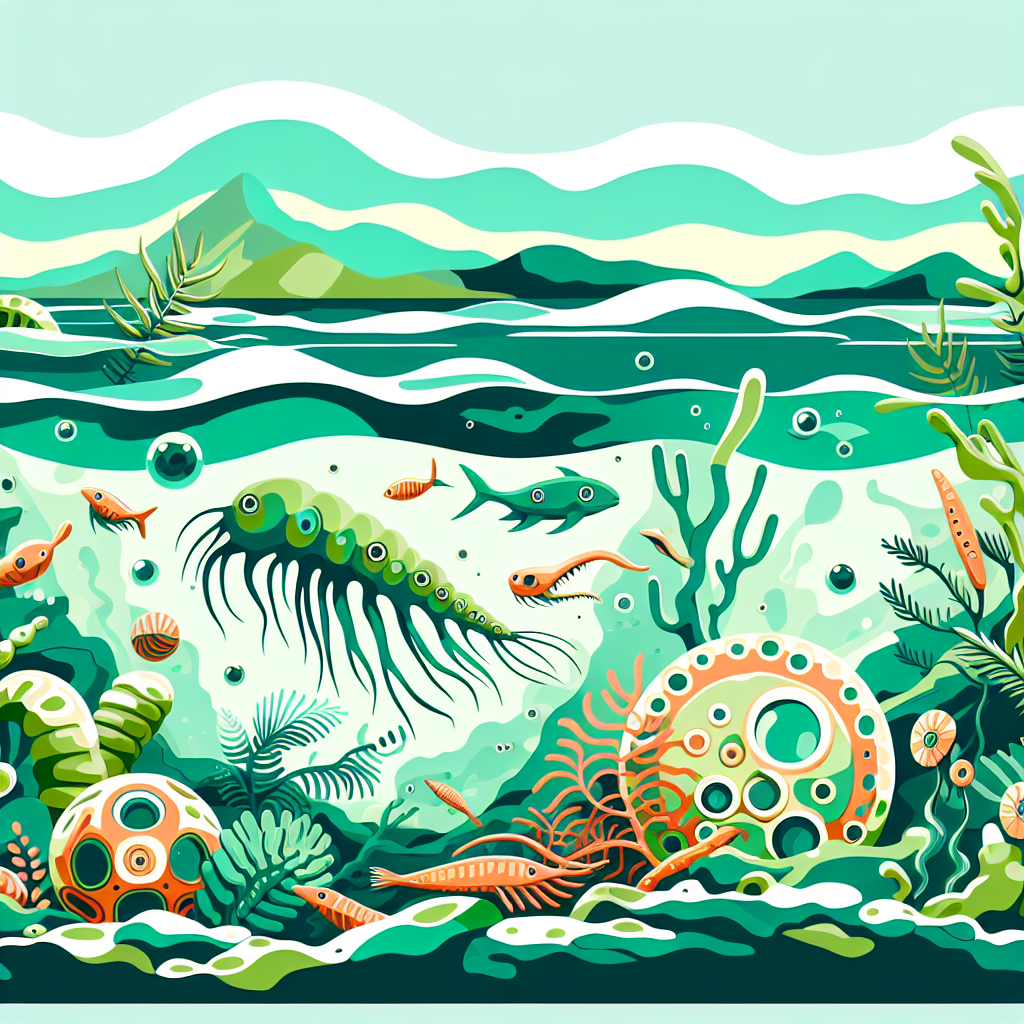
Researchers used the Community Earth System Model to explore the ocean’s biological cycles over the period from 2.5 billion to 538.8 million years ago. Their simulations showed that without predators such as zooplankton, tiny phytoplankton thrived at the ocean surface, soaking up sunlight and turning the surface greener. However, this crowd of life floated like a shield, preventing sunlight from reaching deeper waters and reducing overall productivity.
Dr. Peng Liu and his team adapted a complex model, stripping it of present-day ecological features complicating the Proterozoic picture. In doing so, they achieved a simulation that revealed a dense surface phytoplankton population — a result that aligned perfectly with how abundant life might have spread in the sunlight-starved oceans of a different time.
Why It Matters in Local Contexts
For many communities, particularly in coastal regions, these findings could reflect how modern environmental changes affect marine life in areas undergoing urbanization and pollution. Just as ancient oceans were colored by algae growth, fostering limited life beneath them, rivers choked with agricultural runoff today show a similar effect — fertile nature above, but diminishing returns below the surface.
Impact on Modern Understanding
The discovery challenges the simple narrative of rising complexity and productivity through time. Instead, it suggests that environmental and evolutionary constraints often regulate productivity. Surface algal blooms today may echo these past conditions, hinting that similar self-shading might regularly occur, albeit to varying degrees across the globe.
Climate and Environmental Relevance
This growth phenomenon can affect regional climates, similar to recent concerns that phytoplankton may alter atmospheric properties by increasing the emission of cloud-forming compounds. Understanding these processes is crucial for tuning climate models today, especially as marine ecosystems undergo rapid change and their broader implications for the environment become clearer.
Continuing the Story
From the Suez Canal to China’s rivers, anthropogenic impacts dramatically alter ecosystems. This study of ancient oceans emphasizes the delicate balance ecosystems depend upon, a balance we may upset by current practices. What kinds of shifts will modern interventions cause? Will nature adapt as before, or face unprecedented challenges?
Let’s Explore Together
What if similar self-shielding effects influence our current marine food webs? How might this change our approach to managing overgrowth in aquaculture? Could understanding these processes help us predict the effects of widespread algal blooms on the climate? Let’s dive deeper. Share this story and your thoughts, or drop your ideas on how this ancient green ocean sheds light on today’s marine health.
To read the original study, visit Nature Communications.