
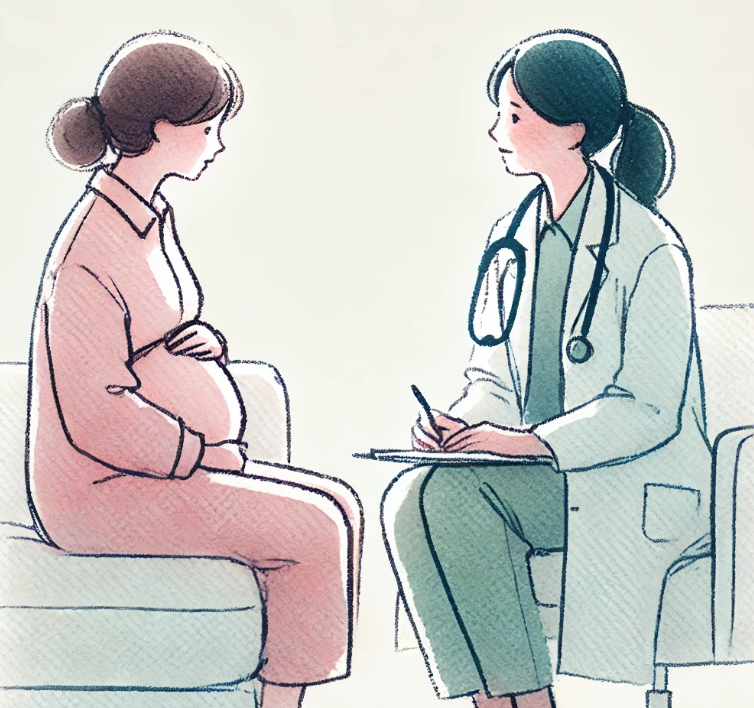
Empowering Women’s Reproductive Choices
In a rapidly changing world, birth rates are dropping in many regions. Could empowering women hold the secret to future societal stability?
Imagine living in a bustling city or a peaceful village, where each day brings its own challenges. In many places, traditional family systems are feeling the strain as populations age. For instance, think about the unfolding story in South Korea, where government policies have spent millions attempting to incentivize childbirth through financial rewards and even matchmaking events for public servants. Yet, the results are lackluster. The question persists: Why aren’t more policies yielding desired birth rates despite grand investments?
The Expedition into New Territories
This story isn’t just about numbers but the real lives behind those statistics. Across various countries, from Russia to Italy, governments scramble to increase birth numbers through diverse strategies. Conversations around dinner tables reflect the conundrum of balancing fostering children and achieving personal goals. Yet what if, instead of pushing for more children, societies explored ways to ensure quality conditions for those births that do occur? A theoretical framework by Su et al. expands on this idea, shifting the focus from quantity to quality, recognizing that women’s decisions about having children hinge not strictly on immediate incentives but on comprehensive support before, during, and after birth.
Imagine it as preparing a dish, where the right ingredients, temperature, and cooking time converge to create the perfect meal. Similarly, birthing policies should strive to offer the right mix of health, economic security, and personal freedom.
The Big Reveal
The team of international researchers, including faculty from New Zealand, Brazil, and China, had an epiphany: focusing purely on upping birth numbers overlooks the holistic needs of mothers-to-be. Their research suggests that enhancing women’s reproductive autonomy—not just pushing for more births—is key. Picture this: a woman in Bangladesh or Brazil receiving the healthcare and personal freedom she needs, allowing her to choose how she balances her personal and family life.
Introducing policies that prioritize women, like ensuring access to health services and economic opportunities, gives them the freedom to plan their families with confidence and dignity. The researchers argue, citing evidence, that the factors shaping women’s readiness to have children are financial security, health, available social support, and psychological readiness—much like assembling the right team to win a soccer match.
The Real Impact
This approach has profound implications, particularly in areas with scarce resources. When women have the autonomy to make informed choices, societal pressure decreases, and better health measures can be put in place. The research reflects a stark truth: empowering women holds potential not only for cultural shifts but also for substantial economic gains as it leads to healthier families and more stable societies.
Challenges and Next Steps
By now, you might be wondering, if woman-centered policies are the future, how do we transition? The study suggests navigating this shift requires global collaboration and commitment. It means blazing a trail in which policies consider women’s health pivotal to national progress. Just as we nurture a young sapling, we need to cultivate the right conditions for sustainable growth, considering both the current environment and future needs.
Can we together create a future where every woman feels she can choose her family path without limitations? How would such changes affect societal structures around you?
Let’s further this dialogue. How do these findings resonate with you, or within the context of your community? What steps can we take today to start including these approaches in our policies?