From Breast Cancer Breakthroughs to Climate-Driven Flood Risks: Six Science Stories You Should Know This Week
Science is reshaping our world all the time, from improving cancer treatments to predicting natural disasters—and even revealing how genetics and ethnicity affect our health. This week, researchers bring fresh insights on breast cancer immunotherapy, flood dangers worsened by land use and climate change, advances in lung cancer risk prediction across populations, and clues to fighting stroke and gastric cancer. Plus, learn why ethnicity matters in COVID-19 vaccine responses and a new hope for reducing newborn deaths in Somalia. Here’s a dive into why these findings matter to *you* and society.
Reprogramming “Immune-Cold” Breast Cancers for Better Treatment Response
Estrogen receptor-positive, HER2-negative (ER⁺HER2⁻) breast cancer is the most common type, but notoriously hard to fully eradicate with pre-surgery chemotherapy. Typically “immune-cold,” these tumors don’t respond well to immune checkpoint inhibitors (ICIs) that have revolutionized other cancers. New phase 2 clinical trial results offer hope: combining stereotactic body radiation therapy (SBRT) with ICIs such as durvalumab (anti-PD-L1) and oleclumab (anti-CD73) can “warm up” the tumor immune environment—turning it from cold to inflamed. This results in higher complete response rates, especially for PD-L1-negative tumors, which typically exhibit poor immune responses.
This combo may improve outcomes for high-risk breast cancer patients who previously had limited options. Radiation plus immunotherapy primes the cancer for attack by the immune system, potentially reducing the chance of cancer remaining after surgery. While gains aren’t yet definitive statistically, they highlight an important new strategy to tackle a hard-to-treat cancer subtype.
Mapping Flood Risks Under Climate and Land Use Changes with Deep Learning
Floods threaten millions globally, but predicting where floods will worsen is complex. Using cutting-edge deep learning models, Iranian researchers forecast future flood risk in a semi-arid, snow-fed watershed—integrating projected climate warming (3.5-4.5°C temperature rise) with land use shifts like declining natural vegetation and expanding agriculture/residential areas. Their results show that flood risk zones could expand dramatically, from 62% to 87% of the watershed area by 2054, primarily driven by land-use changes (~60-70%) but also amplified by climate change (~30-40%).
This study quantifies, for the first time, how human land-use changes might outweigh climatic factors in worsening flood risk in vulnerable regions. It sends a clear message to policymakers: protecting natural vegetation and carefully managing land development can be as critical as climate mitigation for flood resilience. This new tool can guide targeted interventions before disasters strike.
A Multiancestry Genetic Risk Score for Lung Cancer
Genetic screening holds promise for personalized cancer prevention, but most genetic studies focus on European populations, limiting accuracy for other ethnic groups. A remarkable international study combined genome-wide data from nearly 2 million people across ancestries to develop a multiancestry polygenic risk score (PRS) for lung cancer. This PRS outperforms existing ones, providing better cancer risk prediction not only in Europeans but also in Asians and Africans.
This innovation moves genetic risk prediction closer to equitable use worldwide. By identifying individuals at high genetic risk across populations, this approach supports early screening and targeted prevention strategies, potentially catching cases earlier or even preventing them. It’s a leap toward truly personalized medicine, transcending ethnicity.
Green Tea Compound May Protect Brain After Stroke
Stroke recovery is hampered by inflammation that damages neurons when blood flow returns—a phenomenon known as cerebral ischemia-reperfusion injury. In lab experiments with rats, epigallocatechin-3-gallate (EGCG), a major antioxidant in green tea, helped shift immune cells called microglia to a healing “M2” state through activating the Nrf2/HO-1 pathway. This reduced brain damage and improved post-stroke neurological function.
Natural compounds like EGCG might complement stroke treatments by calming harmful inflammation and protecting neurons. Although early-stage, this points to an accessible, low-cost avenue for improving recovery outcomes after strokes, which remain the leading cause of disability worldwide.
Ethnic Differences in COVID-19 Booster Immune Responses
Data from healthcare workers reveal that South Asian individuals produce stronger antibody responses shortly after COVID-19 booster vaccines than their White counterparts and sustain protective T-cell immunity longer. Although antibody levels eventually converge after six months, the difference in early and cellular immune responses may influence how booster strategies are tailored by ethnicity. Why it matters: Recognizing ethnic variations in vaccine response helps public health officials optimize vaccine timing and types to maximize protection across diverse populations. This insight could improve COVID-19 and other disease vaccine policies requiring boosters.
Tackling Somalia’s High Newborn Death Rates with Data-Informed Insights
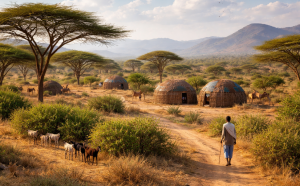
Early neonatal mortality (death within the first seven days) in Somalia stands alarmingly high at 2.5%, with twins and higher birth order babies at increased risk. Regional disparities highlight hotspots needing urgent healthcare support. By analyzing nationally representative data, researchers pinpoint factors influencing newborn deaths in fragile health settings.
Targeted interventions tailored to regional and demographic risk patterns could save thousands of newborn lives in Somalia and similar contexts. Improved maternal and newborn health services informed by this data are vital to reducing infant mortality and achieving global health goals.
And so?
From cancer immunotherapy breakthroughs to flood risk prediction and genetic insights, these studies highlight how science is tackling some of humanity’s toughest challenges across health and environment. While many findings remain early or require further study, they illuminate promising paths forward. Staying informed about these advances empowers us to support and benefit from the evolving landscape of research impacting our lives and the planet.