Melting Ice in Greenland: The Conesequences
A staggering 454 million metric tons of sediment from Greenland’s icebergs are released into the ocean each year. What does this mean for our changing world?
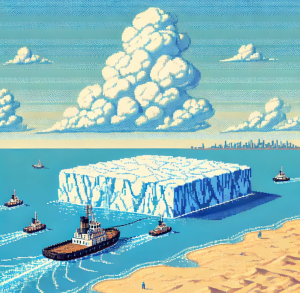
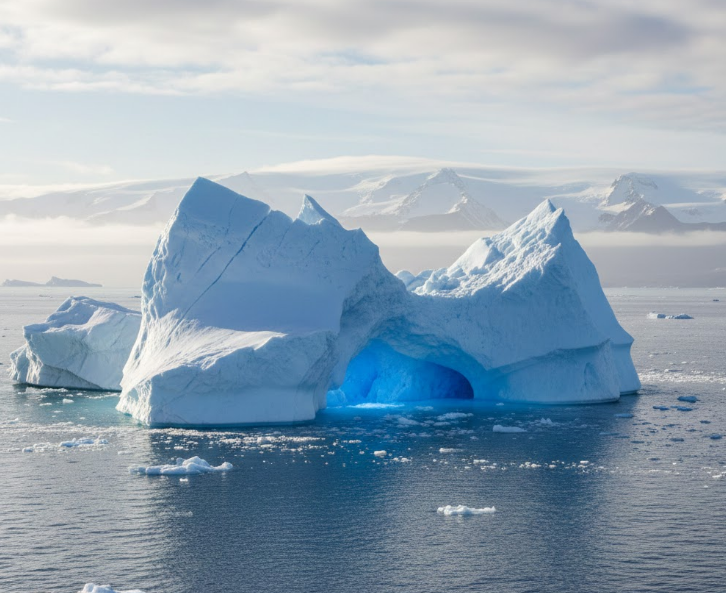
Picture icebergs, majestic and silent, drifting slowly through the fjords of Greenland. These icy giants are more than just frozen water; they are crucial players in Earth’s climate narrative. Beneath their serene surfaces lies a story of sediment—the ‘ice-rafted debris’ (IRD)—that’s reshaping our understanding of marine ecosystems and climate dynamics.
The Science Beneath the Ice
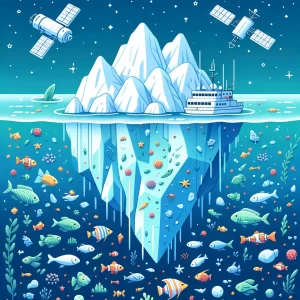
So, why does IRD matter? Imagine waking up to see bits of sand and rocks in your morning glass of water. That seemingly strange phenomenon is what happens when icebergs, laden with sediment, melt into the ocean. This sediment isn’t just debris; it’s a lifeline for nutrients like iron and manganese, helping marine life thrive. For decades, scientists puzzled over how much of this sediment ends up in the ocean, and how.
Breaking New Ground
Aided by a blend of hands-on fieldwork and cutting-edge modeling, researchers Ethan Pierce, Irina Overeem, and Bent Hasholt unveiled startling findings. Teaming up with international collaborators, they trekked green yet icy lands, collecting dirt-embedded ice samples from icebergs in three Greenland fjord systems. Imagine trying to extract a single grain of sugar from a cake without changing its shape. That’s how meticulous the process was—yielding a trail of sediment data.
The team discovered a complex dance of erosion and sediment transport. They saw layers of sediment-rich ice varying wildly from 0.1% to a surprising 45% in content. This variability suggests IRD plays a larger role than previously thought, representing a third of Greenland’s sediment flow—a critical piece in Earth’s sediment budget and climate puzzle.
Bigger Picture: Global Implications
For those living along coastlines, especially in resource-constrained environments, this research bears urgent implications. The sediment from Greenland not only nourishes marine food webs but also plays a hidden role in preventing glacier retreat by acting as a natural barrier against the sea. But as glaciers melt and get disrupted by warming climates, understanding this sediment story becomes crucial for planning future climate resilience.
Envision the cascading effects in communities that rely on fishing. Changes in nutrient supply could ripple through local ecosystems, altering fish stocks and impacting livelihoods. These findings remind us of our interconnected world, where the cryosphere and biosphere form a delicate balance.
How exactly is the sediment transported and deposited in this vast ice ecosystem? And what lies ahead for Greenland’s glaciers in a warming world?
Let’s Explore Together
These findings open doors to discussions on future climate predictions and environmental stabilization strategies. How might your community leverage this knowledge? If you were to lead the next research endeavor, what new paths would you explore? Answering these questions and more could chart a course for innovative solutions to ongoing climate challenges.
In a world where rapid environmental changes redefine our surroundings, this study is a reminder that science corners are teeming with enlightenment that sheds light on the threads connecting nature’s fabric. Share your thoughts; insight might just spark the next transformative research.