World Entering an Era of ‘Water Bankruptcy’
In the dawning shadows of a looming global catastrophe, experts have warned of a sobering reality: the world is entering a profoundly critical period of ‘global water bankruptcy’. Driven by the tremors of over-consumption, unchecked pollution, and the relentless march of climate change, this emergent challenge requires immediate attention and action.
Understanding Water Bankruptcy
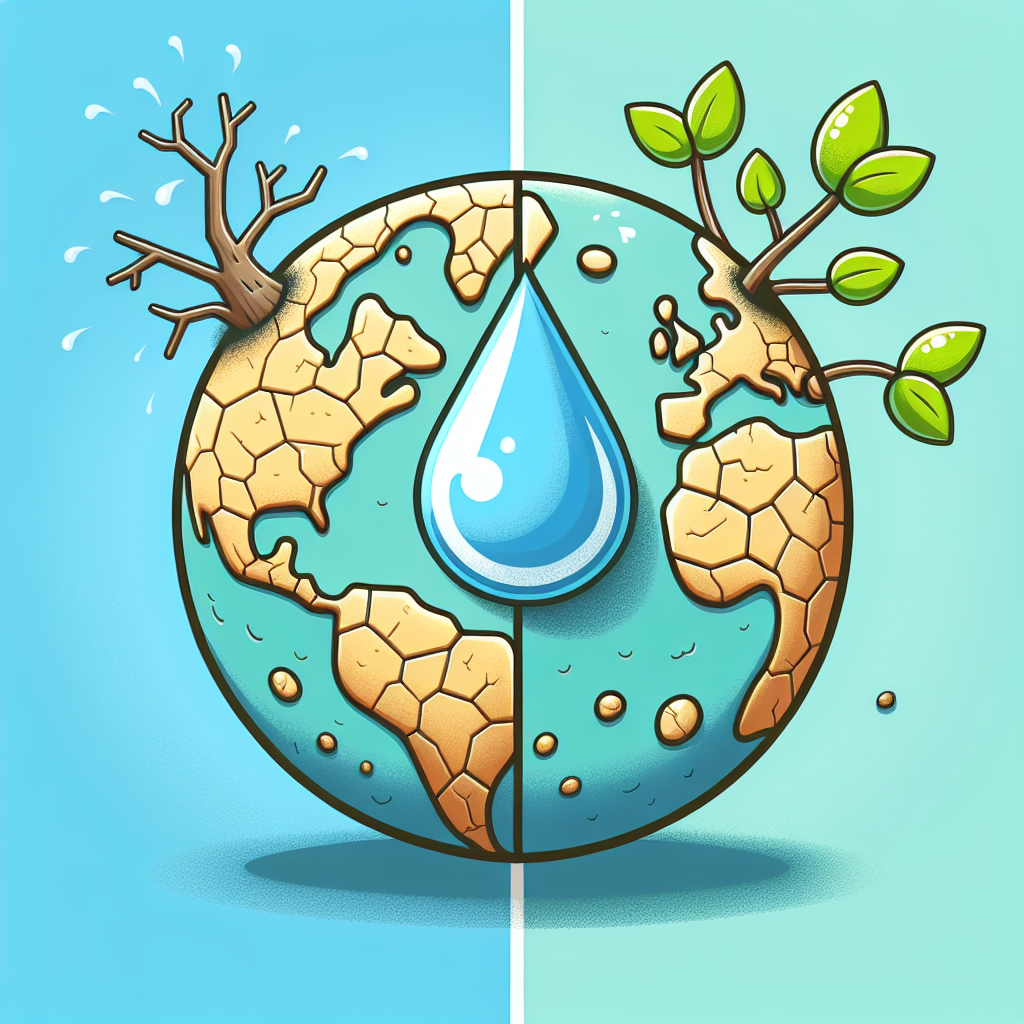
The term ‘water bankruptcy’ transcends the traditional crisis narrative. It signifies an irreversible state in which chronic water mismanagement has led to a permanent imbalance between supply and demand — a state in which aqua resources are spent beyond their capacity to replenish.
According to recent reports, this era of ‘global water bankruptcy’ isn’t a dystopian anticipation; it is the stark reality for billions. More than 75% of the global population lives in regions experiencing water insecurity, which threatens economic stability and societal well-being.
Causes and Consequences
This epochal shift is attributed to unsustainable exploitation of aquifers and basins, with some systems pushed beyond recovery. Industries, agricultural demands, and urban water footprints all contribute to the depletion.
Climate Change: As it intensifies, existing hydrological patterns are disrupted. Melting glaciers and reduced snowpacks further stress water availability in regions that rely heavily on frozen reserves.
Pollution: Unchecked agricultural runoff and industrial discharge compound water quality issues, making it unsafe for consumption or agriculture, thereby effectively reducing the available resource pool.
The compounded effect paints a grim picture: widespread ecosystem degradation, reduced agricultural yields, and heightened geopolitical tensions over shared water sources.
Global and Local Implications
The United Nations report warns that traditional crisis management tactics are ineffective. There is a pressing need for structural and policy redirection to address both immediate needs and long-term sustainability.
- Food Security: Water scarcity threatens crop production, leading to potential food shortages and increased prices, affecting millions, particularly in already vulnerable regions.
- Economic Impact: Industries dependent on water, such as agriculture and manufacturing, could experience significant slowdowns, impacting employment and economic growth.
- Social Stability: As water becomes a more contested resource, tensions may increase both within and between countries, potentially leading to conflict.
Strategies for Adaptation and Mitigation
Facing a world where water bankruptcy is a looming threat, a multi-faceted approach to reform and adaptation is now more crucial than ever.
Policy Reform: Policymakers must prioritize efficient water use, pollution prevention, and robust infrastructure to support equitable distribution. Innovative technologies such as water recycling, desalination, and rainwater harvesting can offer alternative solutions while protecting the environment.
Engagement at all levels—from local communities up to international coalitions—is vital to implement actionable strategies and share resources and knowledge. The era of water conservation should shift from rhetoric to reality, with education playing a key role in shaping societal behavior regarding water use.
“The challenges posed by water bankruptcy are daunting, yet they also present an opportunity for innovative solutions and collaborations that can redefine humanity’s relationship with water,” notes the United Nations University.
The Path Ahead
Addressing this crisis requires both local and global frameworks that transcend political borders and economic interests. It’s a marathon with a pressing finish line—one that asks for systematic participation across all sectors of society. By renewing our commitment to sustainable practices, utilizing progressive technologies, and fostering inclusive dialogue, humanity holds the key to navigating the perils of water bankruptcy.
The alarm bells are not just ringing; they have reached a crescendo. It is vital for the global community to heed these warnings and act decisively to preserve one of our most precious resources—water.