Coral Crystals: A Fast and Fascinating Formation
Did you know that corals grow their skeletons faster than we brew a cup of coffee?
A recent study found that the crystals corals use to build their homes form in about 5 minutes. This finding could transform how we protect these vital ecosystems from changing oceans.
Coral reefs are the bustling cities of the sea. Each coral is like a tiny skyscraper, built with precision and speed. Imagine a city’s skyscrapers rising in minutes, not years—it sounds like magic, but for corals, it’s reality.
Crystals and Corals: A Sticky Situation
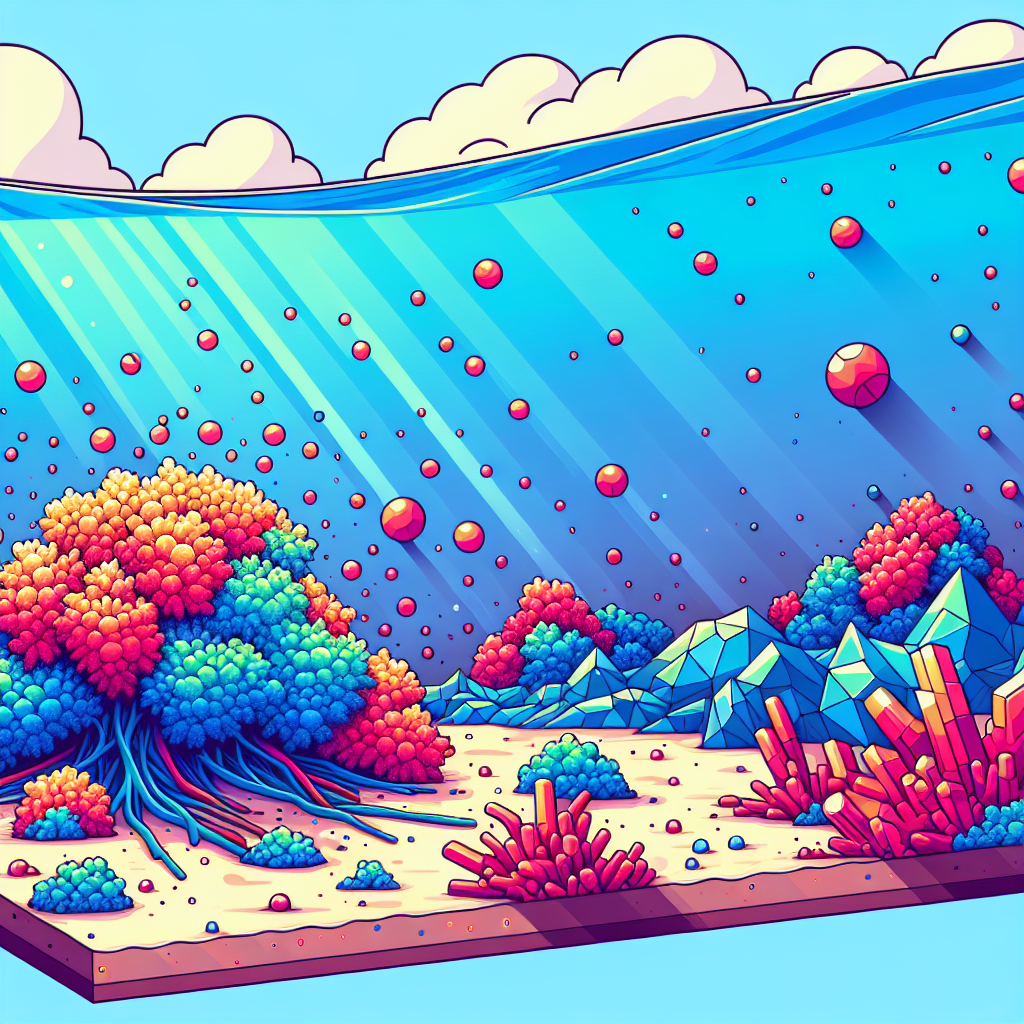
This story takes place beneath the waves, amongst the corals that makeup 25% of marine biodiversity. Corals build their reefs using calcium carbonate crystals. This powdery building material undergoes a unique transformation, creating solid skeletons that future generations will inhabit. The study, led by Pupa U. P. A. Gilbert, uncovered surprising details about how these skeletons are built. They found that the transformation from precursor material to solid aragonite, the stuff of coral skeletons, happens at a remarkably fast pace.
The Science Unfolded: Discovering Exponential Crystallization
Researchers used a high-tech method called Myriad Mapping to delve into the nano-world of corals. This is where they uncovered an ‘aha!’ moment. They saw that the crystal formation in corals follows an exponential decay pattern. This pattern was consistent across different water pH levels, meaning corals can withstand varying ocean conditions. This is crucial considering the effects of climate change on seawater acidity.
Why Exponential Matters
The implications of these findings are significant, especially in areas such as the Pacific Islands and coastal countries that rely on coral reefs for food and livelihoods. Exponential crystallization means corals are continuously building, ready to face environmental challenges. Understanding these processes gives researchers new strategies to preserve and potentially enhance coral growth. This could be pivotal in regions vulnerable to ocean acidification.
Looking Forward Together
So what can we do with this knowledge? Think about the possibilities: coral conservation efforts could be optimized by creating conditions that mimic this rapid crystal growth. Could local communities harness this process to fortify coastal defenses against erosion?
What other natural processes might share this rapid build-up mechanism? The study hints that this might be a widespread strategy in nature, which could inform how we design materials and buildings on land.
Let’s Explore Together
As we continue to learn from these marine architects, here are some questions to keep the curiosity flowing:
- Could we replicate this crystal growth in other environments, like synthetic materials?
- How can this knowledge help communities dependent on coal reefs thrive in changing ocean conditions?
- What mysteries do these speedy corals still hold?
Share these ideas with fellow enthusiasts, and let’s dive deeper into the secrets of the ocean’s most accomplished builders.
For further reading, find the complete study here.