Overcoming the Threats to Canadian Ungulates
What if a closer look at wildlife health could save species from disappearing? New research on ungulates in Canada suggests that disease surveillance might be the key to protecting not only animals but entire ecosystems.
Ungulates: The Heartbeat of Ecosystems
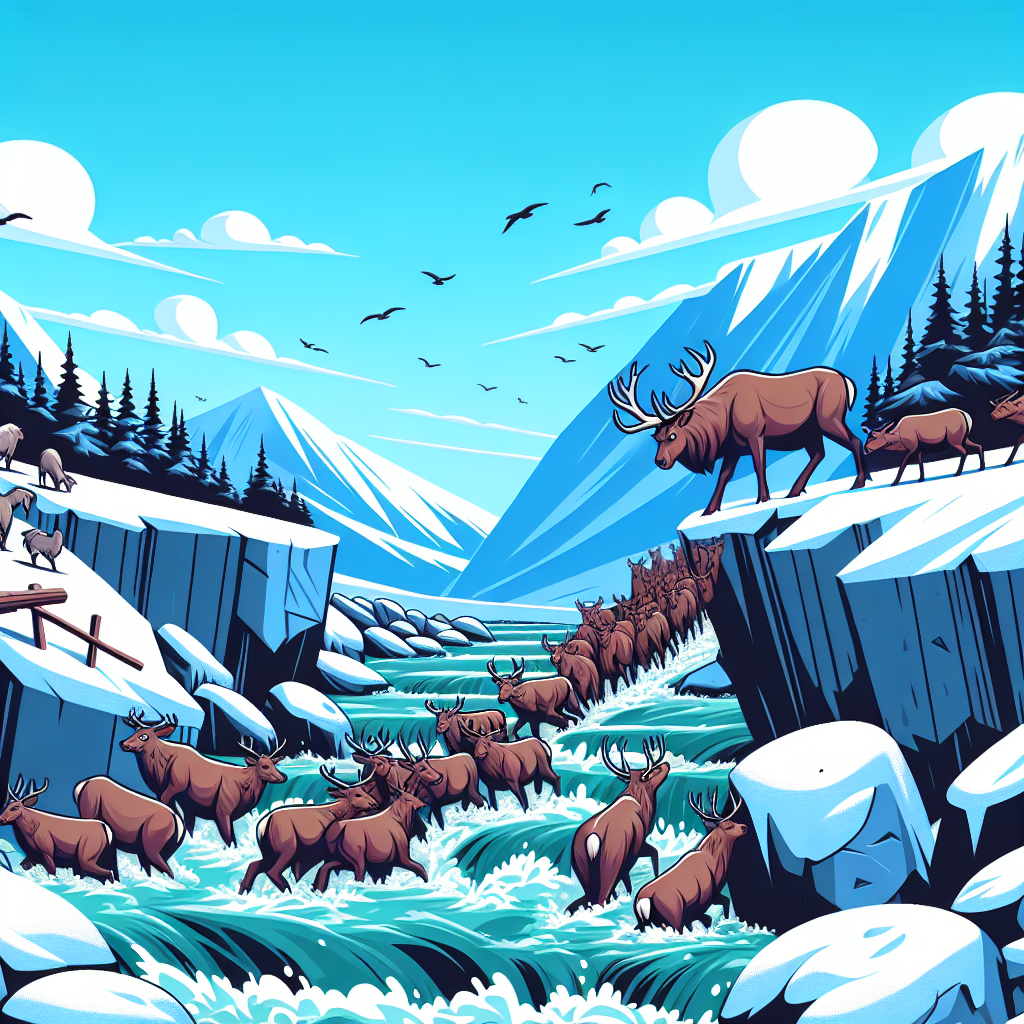
Ungulates, such as deer, moose, bison, and caribou, are essential to maintaining the balance of ecosystems across North America. They’re like the heartbeat of nature’s economy, influencing both plant and predator populations through their grazing habits and prey status. However, these species are under threat from diseases that many of us have never even heard of.
In the Labs and the Wild: The Science Unfolds
A 20-year study covering 2,525 cases of ungulate disease reports was conducted by the Canadian Wildlife Health Cooperative. Imagine trying to unravel a knot, not with your hands, but through the limited clues you have from feeling the ropes. That’s akin to what scientists do when they piece together wildlife health data from passive surveillance—collecting samples from carcasses found in the wild.
This effort revealed that over 53% of recorded deaths were linked to infectious diseases, with Chronic Wasting Disease (CWD) and meningeal worm (P. tenuis) as principal offenders. Interestingly, cases of CWD were found escalating in Saskatchewan by 22% annually.
Real-World Implications
Think of Manitoba’s prairies or the lush forests of Quebec—these landscapes and their communities hinge on healthy ungulate populations. The rapid increase in CWD could soon turn into a cloud over these areas, jeopardizing not only wildlife but also local economies dependent on hunting and ecotourism, and the cultural practices of Indigenous groups reliant on these animals for subsistence.
Seeing Patterns, Preventing Crises
Science isn’t just about identifying problems; it’s about anticipating them. With passive disease surveillance indicating an increase in P. tenuis cases in moose, there’s a new understanding of the parasite’s impact. Moose, already vulnerable, are further threatened each time a winter tick latches on for a feast—illustrating the intensification of stressors due to climate change.
A Call for Integrated Surveillance
Much like diagnosing a patient requires multiple tests and consultations, protecting wildlife demands a coordinated effort. The study emphasizes integrating passive surveillance data with active tracking programs – akin to combining radar and scouts for more accurate weather forecasting.
Take Nova Scotia’s declining moose populations: targeted surveillance could illuminate missing links, enabling timely interventions. More robust data, potentially pooled from diverse sources, would not only deepen understanding of diseases like CWD or P. tenuis but also illuminate other overlooked threats, such as trace mineral deficiencies affecting caribou health.
Let’s Explore Together
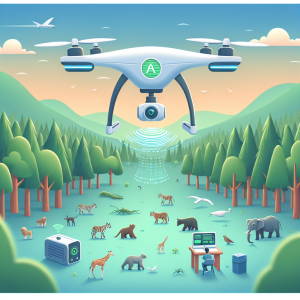
What role can local communities play in broadening a surveillance net for wildlife health? How might implementing integrated and robust strategies for disease surveillance influence environmental policies? Could technology like drones and AI lend a hand—or an ear—to the effort?
Your thoughts and insights could be the heartbeat of the next great step in wildlife science.
For further details, you can access the full study at PLOS One.