Insect-Fortified Crackers: A Nutritious Snack for Madagascar’s Schoolchildren?
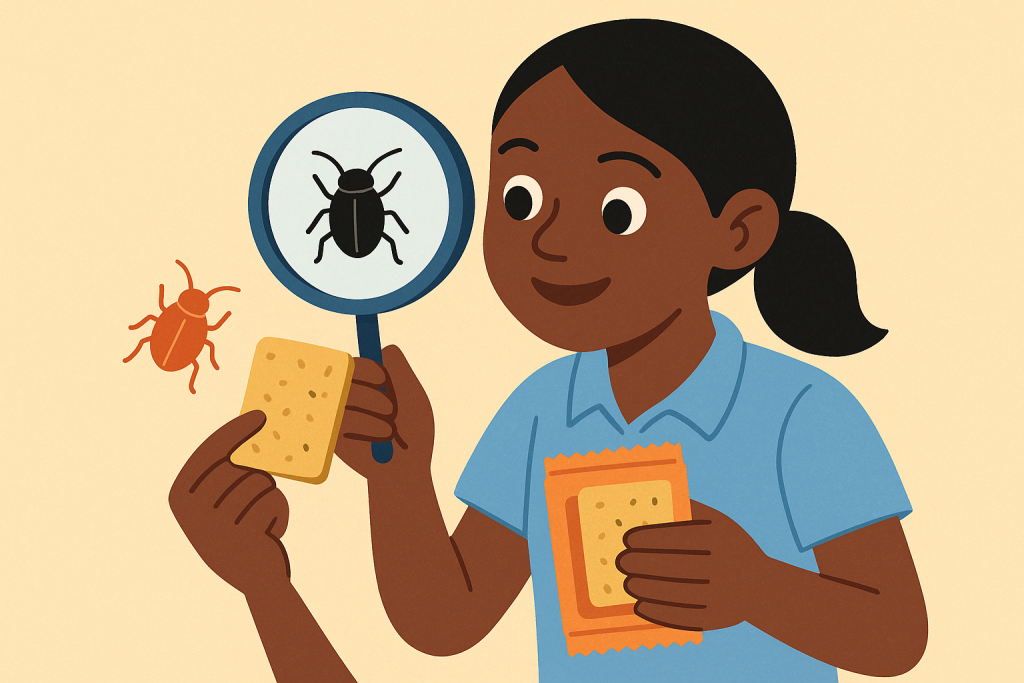
In the vibrant shade of Madagascar’s tropical landscapes, where rice paddies ripple in the wind and cassava stacks tall, a new kind of snack is taking the schoolyards by storm—a snack not just seen, but tasted, felt, and accepted with enthusiasm. This is not your ordinary cracker; it is fortified with crickets and black soldier fly larvae, promising a blend of nutrition and taste wrapped in local tradition.
A New Way to Snack
The practice of consuming insects, known as entomophagy, has deep roots across many cultures, particularly in regions like Madagascar. Here, insects have long supplemented diets, offering protein-rich alternatives to conventional meats. But in a world grappling with climate change and food security, could these insect-fortified foods represent a sustainable shift in how we nourish future generations?
The Scientific Puzzle
The research study set in Madagascar aimed to explore precisely this. It considered a novel range of insect-fortified crackers to assess their safety, nutritional value, and acceptability among schoolchildren in the country. The study, a collaboration between PATH and Cornell University, among others, focused on cricket and black soldier fly larvae as primary ingredients for their nutritional density and low environmental footprint.
Research Approach: What Was Done
Three distinct types of crackers were developed: one savory with both crickets and black soldier fly larvae, another sweet with the same insect mix, and a third savory with only black soldier fly larvae. To establish a baseline, a control cracker consisting simply of rice and corn was included. The study measured everything from microbiological safety to heavy metal content, ensuring that the crackers met strict dietary safety standards.
In terms of nutritional content, these insect-laced snacks offered a powerful pack of protein, iron, and zinc—nutrients often deficient in malnourished populations.
Surprising Findings
Results were overwhelmingly positive. Not only were the crackers deemed safe across all tested parameters, but they were also warmly embraced by the children. Over 80% of the participating children consumed at least 80% of their insect-based crackers. When given free choice, as high as 89% opted for the insect crackers over the control, with savory options taking the top spot.
The crackers’ nutritional prowess was clear: a single serving provided significant percentages of the recommended daily intake of protein, iron, and zinc for children aged 9-13 years. Anecdotally shared by caregivers, these snacks seemed to bolster student satiety, energy, and even sleep patterns.
Why This Matters
Madagascar struggles with food insecurity and nutritional deficiencies, conditions that are, unfortunately, common in many parts of the Global South. The introduction of insect-based foods could play a vital role in meeting these dietary needs sustainably. Insects require less land, water, and food to farm, producing far fewer greenhouse gases than traditional livestock.
This study demonstrates the potential for rolled-out school feeding programs globally, especially in resource-impoverished settings where dietary diversity is often lacking.
What We Still Do Not Know
Yet, science seldom provides complete answers without opening new questions. This study’s efforts are limited to one corner of Madagascar with its unique socio-cultural embrace of entomophagy. The long-term acceptance and nutritional impacts of regular insect-laden diets remain to be fully understood.
Further research could investigate how these snacks affect nutritional status over extended periods, and determine their viability and adaptability in different cultural contexts.
Let’s Explore Together
How do these findings challenge our understanding of food security and sustainability? Could insect-based foods redefine what we consider a ‘regular diet,’ especially in areas without regular access to meat or plant-based proteins?
For science enthusiasts and educators worldwide, this study sparks curiosity and continues the conversation about the intersections of culture, nutrition, and global food sustainability.
- How might this discovery change perceptions of food resources in urban versus rural settings?
- What are the barriers to wider adoption of edible insects as a mainstream food, and how can they be overcome?
- In what ways could local knowledge inform the development and acceptance of new, sustainable food technologies?