
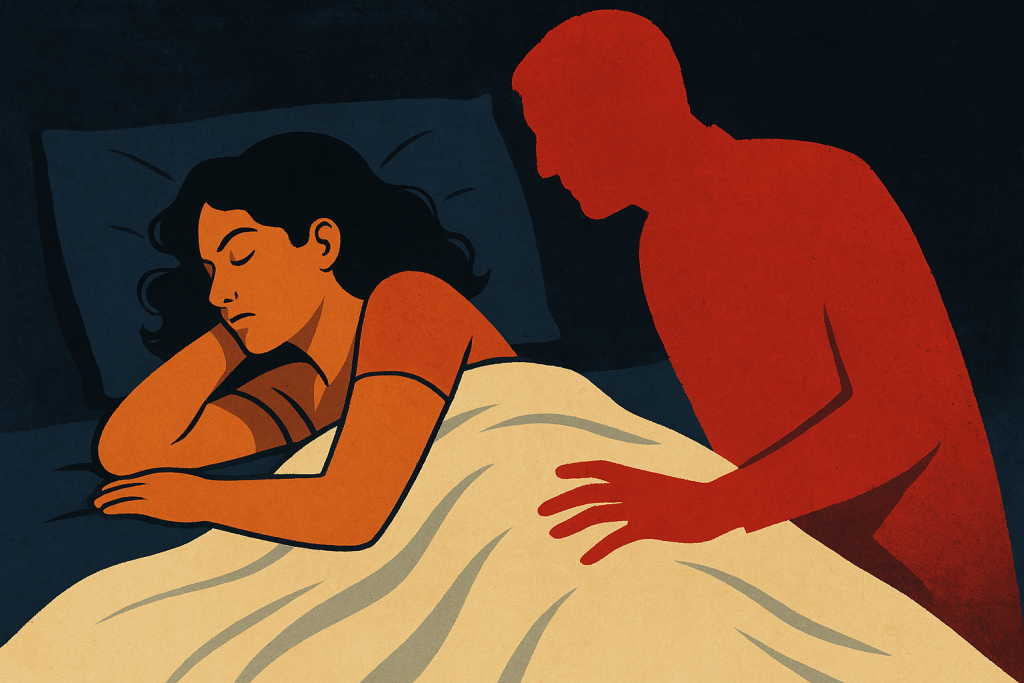
The Complex Challenge of Preventing Sexual Harassment in Universities
When it comes to understanding sexual harassment in universities, one might expect strategies to target the behavior directly. However, a recent umbrella review reveals that no systematic review exclusively focuses on this form of harassment. Instead, it is often lumped together with broader forms of gender-based violence (GBV), raising intriguing questions about how effectively these interventions can address the unique manifestations of sexual harassment within academic settings.
The Hidden Complexity of Sexual Harassment
Sexual harassment in universities is not isolated; it forms part of a continuum of abusive behaviors. This review, conducted as part of the Uni4Equity project, analyzed diverse interventions initially targeting GBV but applied in university contexts. These interventions cover a wide spectrum, from bystander and primary prevention programs to self-defense strategies — yet none specifically address sexual harassment alone.
The Challenge of Bystander Interventions
Bystander intervention programs, among the most widely studied, aim to foster a community-based approach to violence prevention. While these programs have shown promise in improving attitudes and intentions, their impact on actual behavior change remains inconsistent. Encouragingly, these initiatives cultivate prosocial behaviors and a sense of collective responsibility crucial for tackling harassment.
A Broader Framework for Prevention
The review underscores the need for comprehensive strategies that integrate individual behaviors with structural reforms. Many programs improve knowledge and attitudes but struggle to drive lasting behavioral change without a supportive institutional framework. This suggests that prevention must extend beyond isolated educational efforts to encompass policies and cultural shifts within universities.
Inclusive and Intersectional Needs
A critical theme emerging from the review is the necessity of inclusivity. Interventions largely focus on stereotypical patterns of male-perpetrated and female-experienced violence, potentially neglecting the nuanced experiences of LGBTQ+ and ethnic minority groups. As such, adopting an intersectional approach—considering all forms of discrimination and social exclusion—is vital for truly effective prevention.
Understanding Limitations
Given the findings, it’s essential to interpret these outcomes cautiously. Existing reviews often have low methodological quality, and many rely on self-report measures prone to social desirability bias. Moreover, much of the research is geographically concentrated in North America, which may not reflect global realities.
Where Do We Go from Here?
This review challenges us to rethink sexual harassment prevention in universities. It advocates shifting from fragmented interventions to integrated solutions that address both individual and systemic factors. Interestingly, some European initiatives already pursue this holistic vision, aiming to engage all university community members in prevention efforts. Achieving lasting change will require rigorous evidence, international cooperation, and the courage to challenge entrenched cultural and institutional norms.
Build Your Own Science Issue
Tell us what fascinates you. We’ll search today’s science and build a personalized issue just for you.
Your science issue is being built.
We’re searching today’s research for stories that match your interests. Your personalized issue will arrive in your inbox shortly.
Something went wrong.
We couldn’t build your issue right now. Please try again in a moment.