Biodiversity at Risk from Climate Change
The impacts of climate change have become increasingly evident as extreme weather events become more frequent and severe.
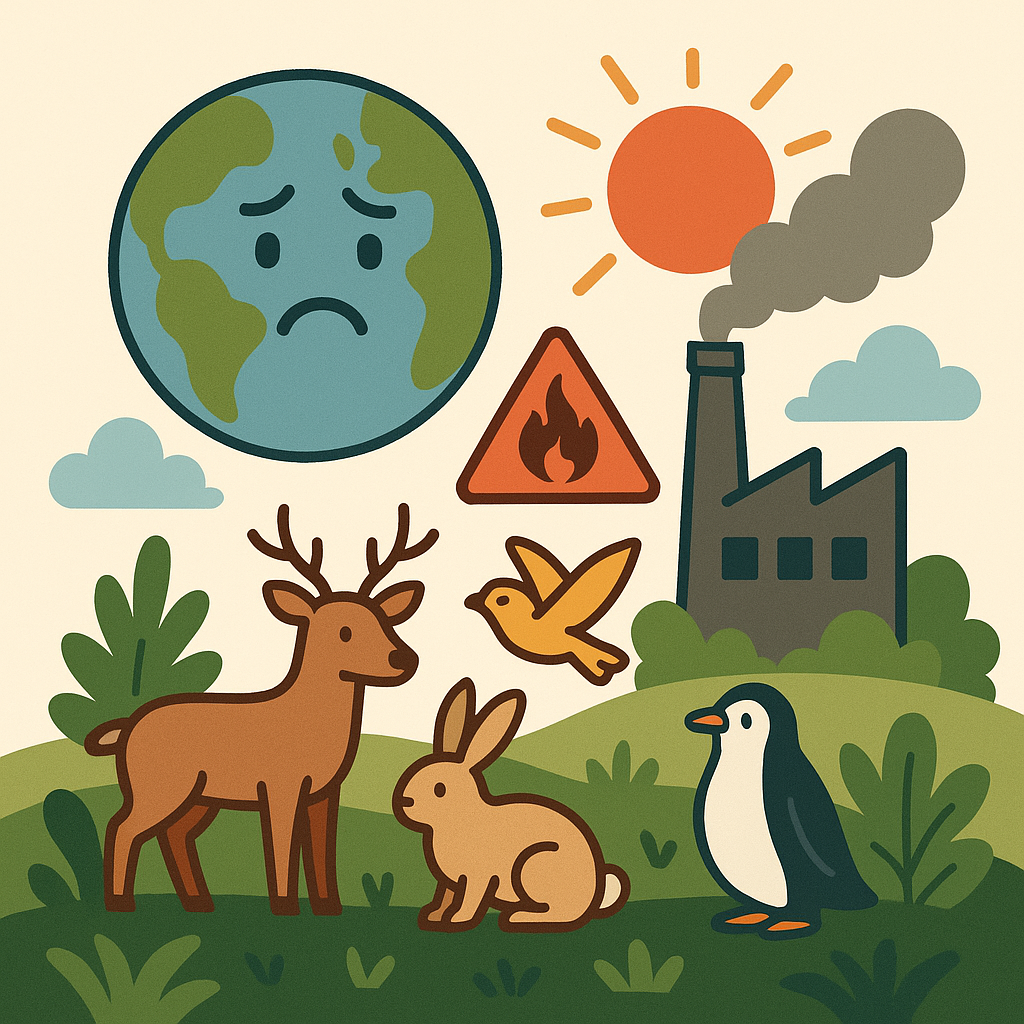
This week, numerous reports highlight the intimate connection between climate change and biodiversity loss, urging immediate action to mitigate these risks.
Climate Change and Biodiversity Loss
As outlined by the United Nations, climate change is dramatically altering various ecosystems, leading to substantial biodiversity loss. Natural habitats are being disrupted, causing many local species to diminish or vanish entirely. This is not just an environmental crisis; it threatens human welfare, food security, and economic stability.
Recent Findings and Studies
A recent study reported on in Science Daily illustrates how climate-related events like wildfires and floods are becoming more severe and frequent, which directly impacts wildlife and plant species. A marked increase in natural disasters has been linked to rising temperatures, further exacerbated by human activities.
Research indicates that in specific regions like Europe, the ecosystem responses to climate change are swift and potentially irreversible. For instance, a report from the European Environment Agency indicates that warmer temperatures and changing precipitation patterns are pushing species to relocate and adapt rapidly.
The Impact on Human Health and Economics
Climate change does not only threaten wildlife; it poses significant risks to human health as well. Research shows that as the ecosystem changes, so does our access to clean air and water.
These environmental changes likely contribute to health issues, including respiratory diseases and waterborne illnesses. Furthermore, as biodiversity diminishes, the natural services ecosystems provide—for example, pollination and disease regulation—also decline, affecting food security and increasing economic instability.
Highlighting Solutions and Adaptation
Adaptation to these changing conditions is crucial. According to findings by the U.S. Geological Survey, implementing strategic conservation measures could mitigate these impacts. These strategies include creating wildlife corridors, restoring habitats, and introducing legislation focused on biodiversity conservation.
Another essential part of the conversation is reducing greenhouse gas emissions. As stated by numerous researchers and scientists, achieving net-zero emissions is vital for stabilizing the climate and protecting ecosystems.
So Now What?
As we continue to gather evidence and understand the extensive repercussions of climate change, it is imperative that we, as a global community, recognize the urgency of the situation. Whether through educating ourselves, advocating for change, or contributing to local conservation efforts, each action counts. The fate of countless species—and indeed our own—is hanging in the balance. We must act now to protect our planet and its inhabitants for generations to come.