The Surprising Science of ASMR: Unpacking the Tingling Sensation
Have you ever felt a tingling sensation in your scalp while listening to soft whispers or gentle tapping? If so, you might be experiencing Autonomous Sensory Meridian Response, better known as ASMR. This peculiar phenomenon, which emerged in online communities around 2008, has fascinated millions and now attracts scientists’ attention. Let’s dive into the captivating world of ASMR, exploring what it is, what triggers it, and why it matters.
What is ASMR?
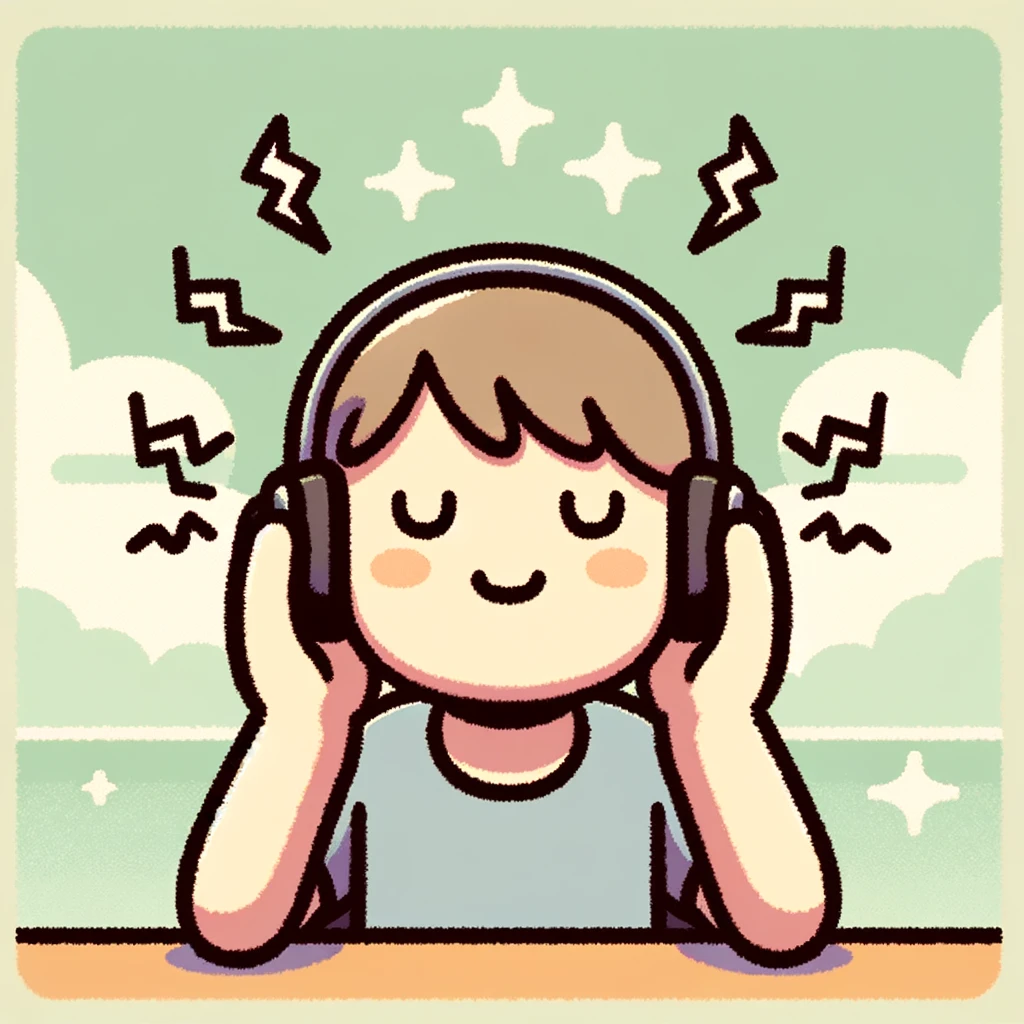
ASMR stands for Autonomous Sensory Meridian Response. It’s a sensory experience characterized by a distinct tingling sensation that usually starts on the scalp and moves down the neck and upper spine. This sensation is often accompanied by feelings of calmness and relaxation. ASMR triggers vary but typically include soft speech, gentle tapping, and other soothing sounds or actions. Although ASMR’s origins are rooted in folk psychology, psychologists and neuroscientists are now rigorously studying it.
Check out the example below.
The Origins and Popularity of ASMR
The term “ASMR” was coined around 2008 on online discussion boards, where individuals shared their experiences of these tingling sensations. Despite its pseudoscientific origins, the term has helped form a community and stabilize its presence in popular culture. Surprisingly, ASMR is estimated to occur in about 20% of the general population.
Historically, many widely accepted psychological constructs, such as fear, anger, and intelligence, originated in folk psychology before gaining scientific validation. ASMR seems to be following a similar trajectory. Recent research indicates that ASMR might have a legitimate basis in the cognitive sciences, with emerging evidence supporting its psychological and neural underpinnings.
Triggers: What Causes ASMR?
Understanding what triggers ASMR is key to understanding the phenomenon itself. Common ASMR triggers include whispering, tapping sounds, scratching, and watching someone perform a task meticulously. These triggers can be grouped into several categories:
- Soft Repetitive Sounds: Whispering, tapping, and scratching.
- Socially Intimate Acts: Personal attention and hair brushing.
- Visual and Auditory Stimuli: Watching individuals interact with objects or perform careful actions.
Researchers have found that ASMR triggers often involve the perception of socially relevant information, such as the intimacy of a whisper or the careful attention of a task. This social aspect may be a crucial part of what makes ASMR so relaxing and pleasurable.
The Science Behind the Tingling
Recent studies have begun to uncover the neural mechanisms behind ASMR. Functional Magnetic Resonance Imaging (fMRI) analyses show that ASMR experiences activate regions of the brain associated with somatosensory processing and emotional regulation. For example, the nucleus accumbens and the somatosensory cortex are notably active during ASMR experiences. Additionally, ASMR is associated with increased skin conductance levels, indicative of somatosensory arousal, and decreased heart rate, signifying relaxation.
Interestingly, people who experience ASMR often show a reduced ability to inhibit sensory and emotional experiences. This reduced inhibition may allow for the intense, uninhibited sensory-emotional response characteristic of ASMR. Essentially, ASMR could be an intensified version of a common human response, distinguished by a lack of emotional and sensory suppression.
Evolutionary and Psychological Perspectives
The evolutionary origins of ASMR are still speculative but intriguing. Some researchers suggest that ASMR might be a vestigial grooming response from our primate ancestors. Grooming is known to induce calmness and reduce anxiety, which aligns with the relaxing effects of ASMR. This theory posits that ASMR could be an evolutionary trait linked to social bonding and emotional regulation.
Psychologically, ASMR appears to serve a unique function in emotional regulation. It draws on conscious experiences to down-regulate anxiety and stress, offering a form of relaxation distinct from other sensory-emotional responses like musical frisson (the chills one gets from music). This regulation strategy is socially driven, relying on the perception of socially relevant information to trigger the experience.
Why ASMR Matters
ASMR isn’t just a quirky internet trend; it has potential therapeutic applications. Many people use ASMR to manage anxiety, depression, and insomnia. By inducing a state of relaxation, ASMR helps alleviate symptoms of these conditions, providing a natural and accessible form of emotional regulation.
Furthermore, studying ASMR can offer broader insights into the functions of consciousness and its relationship to emotional regulation. ASMR experiences challenge some existing theories about attention and consciousness, suggesting that some conscious experiences can occur outside the scope of focused attention.
Let us know in the comments!
- Have you ever experienced ASMR? What triggers work best for you?
- Do you think ASMR has potential as a therapeutic tool? Why or why not?
Build Your Own Science Issue
Tell us what fascinates you. We’ll search today’s science and build a personalized issue just for you.
Your science issue is being built.
We’re searching today’s research for stories that match your interests. Your personalized issue will arrive in your inbox shortly.
Something went wrong.
We couldn’t build your issue right now. Please try again in a moment.