The Rise of Tire Wear Particles
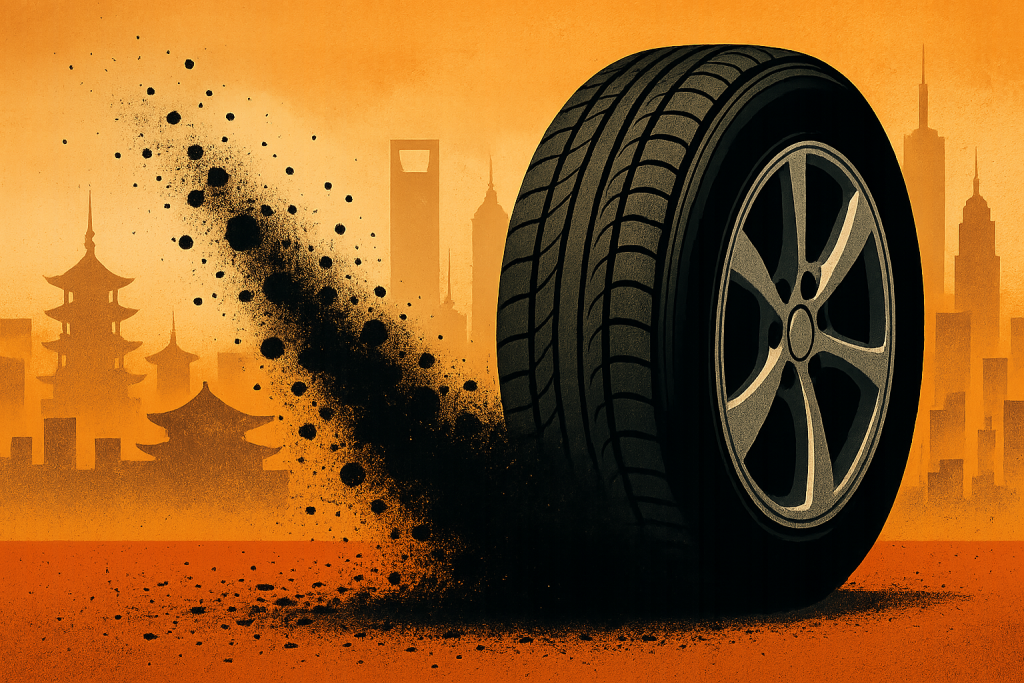
Imagine a source of pollution that silently blankets our roads, slips under the radar of most regulatory strategies, and grows into a major concern in an increasingly electrified world. While we’ve been patting ourselves on the back for cutting exhaust emissions, another form of pollution is silently taking over: tire and road wear particles (TRWP). Research across China reveals a troubling rise in these tiny particles, reshaping how we understand air pollution—and its uneven impact on health and the environment.
The Invisible Menace of Road Pollution
Tire and road-wear particles, mostly born from the friction between tires and road surfaces, may seem innocuous at first glance. Yet they are rapidly emerging as a leading, yet unaddressed, source of particulate pollution. Last year, China’s vast road network emitted a staggering 425,000 tons of fine particles from these sources. As vehicle fleets expand, including more heavy electric vehicles, the trend is expected to accelerate further.
Intriguingly, only a fraction of tire tread loss becomes particulate matter in the air. Most gets deposited onto roads and into the surrounding environment. But this position as road dust doesn’t make it harmless. Driven by vehicles and the breeze, they resuspend into the air, making them harder to manage than simply curbing tailpipes.
Mapping an Unequal Burden
Researchers have established a nationwide framework to map the spread and impact of TRWP emissions across China. By combining field measurements, machine-learning models, traffic data, and health assessments, they uncovered striking disparities. Densely populated, economically thriving areas like the Yangtze and Pearl River Deltas bear the heaviest load of these emissions.
Tire particles now contribute significantly to fine particulate levels in the air, increasing exposure risks primarily in regions with intense traffic. Urban corridors, home to thriving human and vehicular activity, amplify this burden, underscoring an urgent need to rethink standard approaches to vehicular emissions.
Health at a Cost
These particles affect not only the atmosphere but also human health. Inhaled TRWP can penetrate deep into the lungs, potentially enter the circulatory system, and aggravate respiratory and cardiovascular diseases. In 2023 alone, exposure to these fine particles contributed to an estimated 3,305 premature deaths in China.
This story of inequality also unfolds along socio-economic lines. Lower-income groups shoulder a disproportionate share of the health burden, despite having less influence over the emission sources. It’s unintended environmental injustice unfolding amid progress.
Why This Matters
As combustion-vehicle emissions drop, non-exhaust sources like tire wear particles become more significant. While tailpipes become cleaner, heavier electric vehicles are expected to wear tires faster, continuing to feed this overlooked pollution stream. The study predicts a 34-fold increase in TRWP contributions to air pollution by 2050, suggesting a future in which these particles dominate traffic-related emissions.
To tackle this growing problem, solutions must adapt accordingly. Effective measures could include improving tire durability, introducing stricter tire regulations, and enhancing urban planning to manage road dust. Until these advanced strategies are embraced, tire wear pollution will keep rolling down the fast lane, posing an escalating threat to our environment and health.
Looking Ahead
This research sends a clear message: tackling vehicular pollution requires a shift in focus—from tailpipes alone to non-exhaust sources as well. It prompts us to see our cities not just as centers of human activity, but as dynamic environments where infrastructure and policy can play significant roles in health outcomes. With the right move, we can still turn the tide in the war against hidden air pollutants.
Build Your Own Science Issue
Tell us what fascinates you. We’ll search today’s science and build a personalized issue just for you.
Your science issue is being built.
We’re searching today’s research for stories that match your interests. Your personalized issue will arrive in your inbox shortly.
Something went wrong.
We couldn’t build your issue right now. Please try again in a moment.