
New Insights into Neanderthals: Uncovering Their Ingenuity and Genetic Legacy
Neanderthals have long captivated both scientists and the public alike. Recent research is reshaping our understanding of these ancient relatives by revealing their sophisticated tool-making abilities and highlighting the intricate genetic interplay with early modern humans. In this blog, we dive into the latest findings that emphasize Neanderthals’ innovative spirit and their enduring legacy in our DNA.
Ingenious Use of Natural Resources
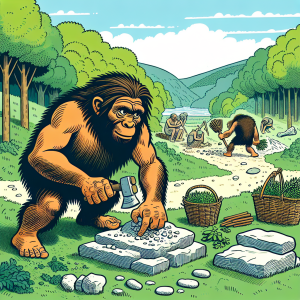
One groundbreaking study has uncovered that Neanderthals repurposed cave lion bones into multifunctional tools. This research, based on evidence from Scladina Cave, suggests that Neanderthals were not only capable hunters but also inventive artisans. The deliberate processing of a cave lion tibia into a versatile tool that served as both a working implement and, later, a retoucher underscores the adaptive strategies these early humans employed to thrive in challenging environments. Such findings challenge the stereotype of Neanderthals as mere brutish counterparts to Homo sapiens and instead highlight their cognitive complexity and resourcefulness (Abrams et al., Nature).
Genetic Interactions and the Disappearance Enigma
Another compelling strand of research focuses on the genetic intermingling between Neanderthals and early modern humans. A recently published analytical model suggests that repeated small-scale immigrations by Homo sapiens into Neanderthal populations over thousands of years could have led to significant genetic dilution. This process of recurrent gene flow could explain why, despite their separate existence, traces of Neanderthal DNA are still found in modern Eurasian populations. The model does not rely solely on selective advantages or catastrophic events, but rather on the cumulative impact of continuous genetic exchange—a finding that strengthens the narrative of a shared human heritage (Amadei et al., Scientific Reports).
The Bigger Picture: Rewriting Human Evolution
These pioneering studies collectively illustrate that Neanderthals were neither primitive nor static. Instead, they possessed a blend of creativity and adaptability that enabled them to harness natural resources and integrate seamlessly with early modern human populations. This updated perspective calls for a reexamination of the factors that contributed to their eventual disappearance and underlines the importance of viewing human evolution as a complex, interwoven tapestry of interactions and adaptations.
For researchers and enthusiasts alike, this new evidence offers intriguing insights into:
- The multifunctional use of animal resources in prehistoric times.
- The subtle yet significant genetic exchanges that have shaped contemporary human diversity.
- A broader understanding of what it means to be “human” in an evolutionary sense.
Conclusion
The recent strides in Neanderthal research underscore an era of revived interest and deeper investigation into our ancient past. With evidence of sophisticated tool-making and genetic blending, Neanderthals emerge not as relics of a bygone era but as active contributors to the human story. As scientific methodologies continue to evolve, further discoveries will undoubtedly enhance our understanding of how these ancient innovators navigated and shaped their world.
References
- Abrams, G., Auguste, P., Pirson, S., De Groote, I., Halbrucker, É., Di Modica, K., et al. (n.d.). Earliest evidence of Neanderthal multifunctional bone tool production from cave lion (Panthera spelaea) remains. Nature.
- Amadei, A., Lin, G., & Fattorini, S. (n.d.). A simple analytical model for Neanderthal disappearance due to genetic dilution by recurrent small-scale immigrations of modern humans. Scientific Reports.
Embrace the fascinating story of Neanderthals—a narrative that continues to evolve with each new discovery, offering fresh perspectives on human innovation and survival.