The Environmental and Health Impact of Toxic Chemicals in Rivers and Water Bodies
In recent years, the presence of toxic chemicals in rivers and water bodies has come under intense scrutiny. The widespread use of certain chemicals, especially those found in household products such as pet flea treatments, has raised concerns about their environmental and health implications. Scientists have found alarming levels of these chemicals in rivers across several regions, pointing towards potentially damaging consequences for both human and animal health.
The Prevalence of Toxic Chemicals
A BBC report highlights how chemicals from pet flea treatments have become prevalent in UK rivers. These chemicals, meant to protect our furry friends from parasites, have unintended consequences when they wash into the water system. The environmental footprint of these chemicals could be vast, affecting everything from aquatic life to human health.
Understanding the Impact on Aquatic Life
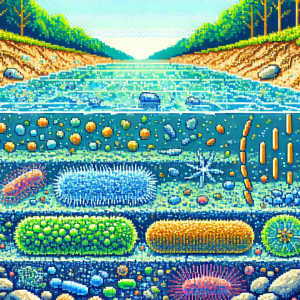
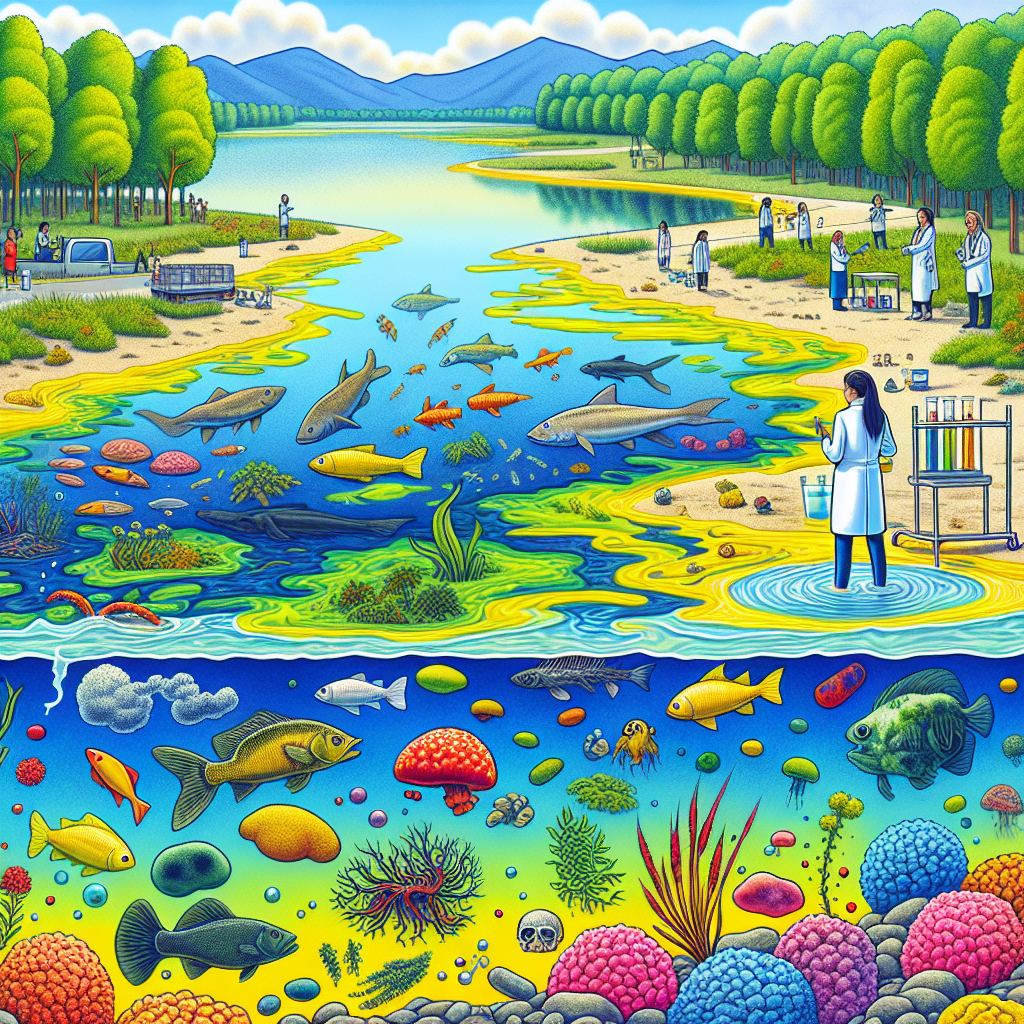
Water bodies are delicate ecosystems where even minor chemical imbalances can have significant implications. Chemicals from flea treatments can disrupt the food chain by affecting microorganisms, which serve as food for fish and other aquatic animals. This can trigger a domino effect, decimating fish populations and affecting birds and mammals that rely on these water bodies for sustenance.
New Scientist reports that even the smallest organisms are susceptible to these chemicals, which can accumulate in tissues and lead to long-term health consequences.
Potential Risks to Human Health
While the threat to aquatic life is evident, humans are not immune to the ramifications of chemical escapades either. People living near contaminated water bodies or relying on them for drinking water are at risk. Long-term exposure can lead to severe health issues, including hormonal disruptions and cancer risks.
Studies show that even recreational activities such as swimming in contaminated waters can expose individuals to harmful levels of these chemicals.
Regulatory and Mitigation Efforts
Efforts to regulate the use of toxic chemicals in household products have been gaining traction. Environmental agencies are advocating for stricter regulations and alternative solutions that are safe for both humans and the environment.
Challenges in Implementation
Despite these efforts, implementing effective regulations can be a challenge. Industries often push back, citing economic and practical constraints. Moreover, developing effective and affordable alternative products remains a significant hurdle
The Way Forward
Finding a sustainable solution to this chemical predicament calls for a multi-faceted approach. Stakeholders must collaborate to foster innovation in developing environmentally friendly alternatives while ensuring regulatory frameworks are flexible yet robust enough to prevent environmental degradation.
- Investing in research and development for alternatives to harmful chemicals.
- Educating the public on the ramifications of chemical exposure.
- Implementing stricter regulations on product manufacturers and ensuring compliance.
While the battle against toxic chemicals in water bodies continues, it’s imperative to keep the dialogue open, promote awareness, and encourage better practices at both the individual and industrial levels. The preservation of our ecosystems and the health of future generations depend on our actions today.