
Rare Earth Metals, Solar Desalination, Island Wrens, and Ocean Microbes
This week’s discoveries prove how tiny clues and vast data can illuminate our planet and the wider universe in astonishing ways. From a global treasure hunt to a cosmic riddle solved, and even evolutionary dramas unfolding on remote islands, researchers are busy rewriting what we thought we knew.
A Global Treasure Map for Rare Earth Metals
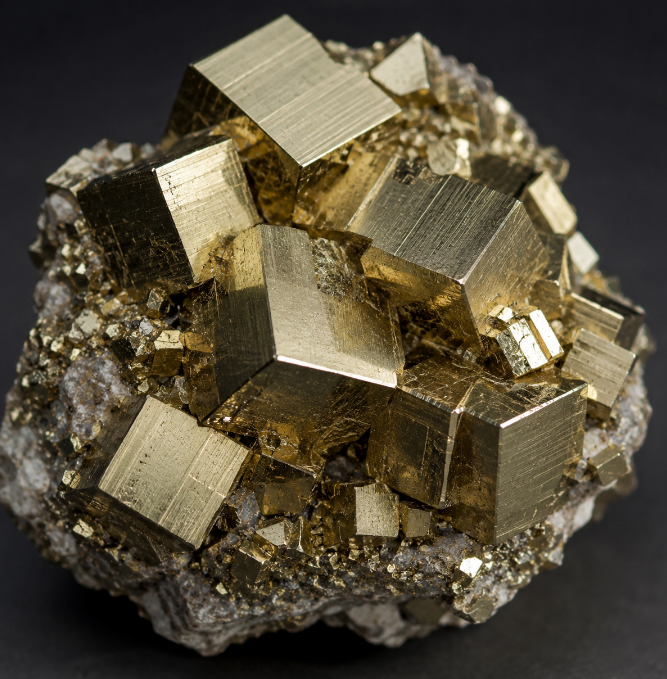
Rare earth elements might sound like a collector’s fantasy, but they are absolutely vital for our high-tech lives—powering smartphones, electric cars, and wind turbines. The problem? These metals are often hidden in strange volcanic rocks, and finding them has been a needle-in-a-haystack challenge. That’s why the news that scientists have crafted a global “treasure map” of these deposits is a game-changer. By mixing data from thousands of rock samples with seismic imaging of Earth’s deep interior, the team uncovered a pattern: these metal-rich rocks tend to cluster around ancient, thick continental roots. This discovery reframes once-weird geological oddities as strategic gold mines for future tech. It’s like finding the X on the treasure map, guiding mining efforts toward places where these precious materials lie waiting. The impact here is twofold: not only do we get smarter about resource extraction, but this knowledge could also help reduce the environmental cost of blindly chasing rare earths.
Fresh Water Without the Toxic Aftertaste
On the environmental front, water scarcity is one of humanity’s most pressing challenges. This week’s breakthrough in solar desalination is nothing short of revolutionary. Scientists have developed a system that uses sunlight to pull freshwater from salty seawater—without generating the toxic brine that usually poisons marine ecosystems. How does it work? It sounds almost simple: laser-textured metal panels heat seawater and efficiently evaporate it. But the genius lies in how salt deposits automatically move away from the panel surface, preventing clogs and allowing continuous operation. Tested on ocean water from three different seas, the system recovers almost all the salts as solids.
Even more exciting? Those leftover salts could become a future source of valuable lithium to fuel batteries. This isn’t just a new water technology—it’s a leap toward sustainable resource cycles that respect both people and planet.
Tiny Wrens, Powerful Evolution—and the Hidden Microbes of Ocean Health
Nature’s smallest wonders also made headlines this week. Shrinking to remote Scottish islands, populations of British Wrens are showing signs of evolutionary metamorphosis. Scientists discovered the St Kilda Wrens have ballooned to more than twice the mass of their mainland cousins, with distinct songs and genes hinting they might be on their way to becoming a new species. This island gigantism isn’t just a curiosity—it’s a vivid example of evolution in motion, happening right under our noses.
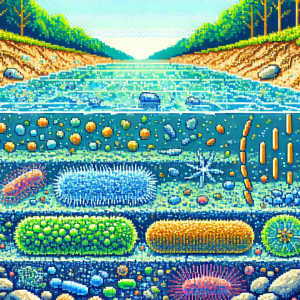
Meanwhile, in the ocean’s depths, researchers stumbled upon a surprising microbial partnership that could reshape how we understand marine ecosystem chemistry. Tiny microbes living inside fish guts help produce calcium carbonate, a crucial mineral for ocean health and carbon storage. Previously, scientists credited fish alone for this work, but now it appears that these microscopic sidekicks play a key role in the carbon cycle—and, by extension, the ocean’s ability to support life and regulate the climate.
Why These Stories Matter
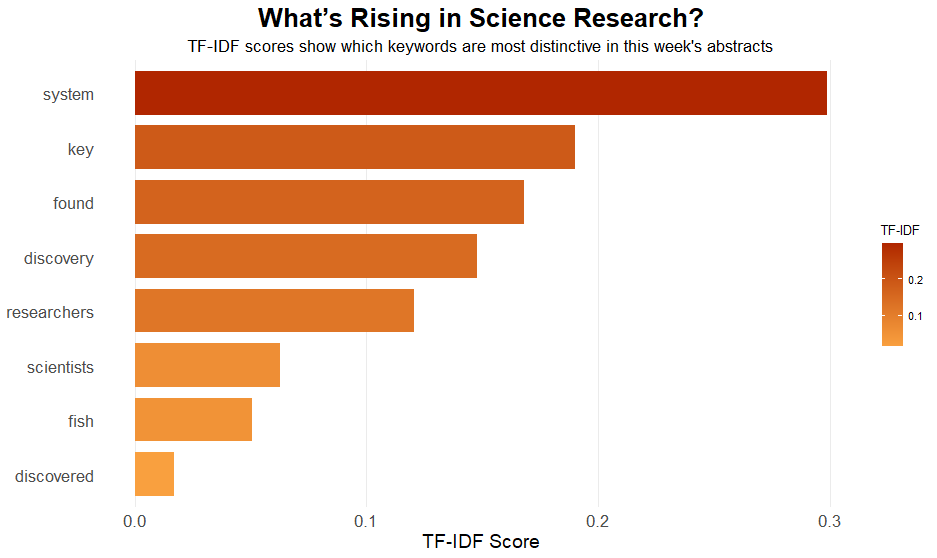
Each breakthrough reveals an elegant truth: complex systems—whether Earth’s interior, ocean chemistry, or evolutionary biology—often depend on subtle, hidden interactions and patterns. The newly mapped roots of rare earths remind us that solutions lie in understanding deep geological histories. The desalination advance is a reminder that sustainable innovation can tackle urgent water crises, while the bird and microbe findings highlight how tiny actors can have outsized impacts on biodiversity and ecosystem health.
Science this week is a mix of uncovering the unseen, solving puzzles that have long stumped us, and finding natural keys that might open doors to a better, more sustainable future. There’s a certain magic in seeing how the small scale—microbes in fish guts, salt crystals on solar panels, or the weight of wrens—connects to the big picture. As researchers continue their relentless quest, the map of knowledge keeps expanding, revealing new paths for humanity to explore and thrive. Stay tuned—next week, the story continues.