
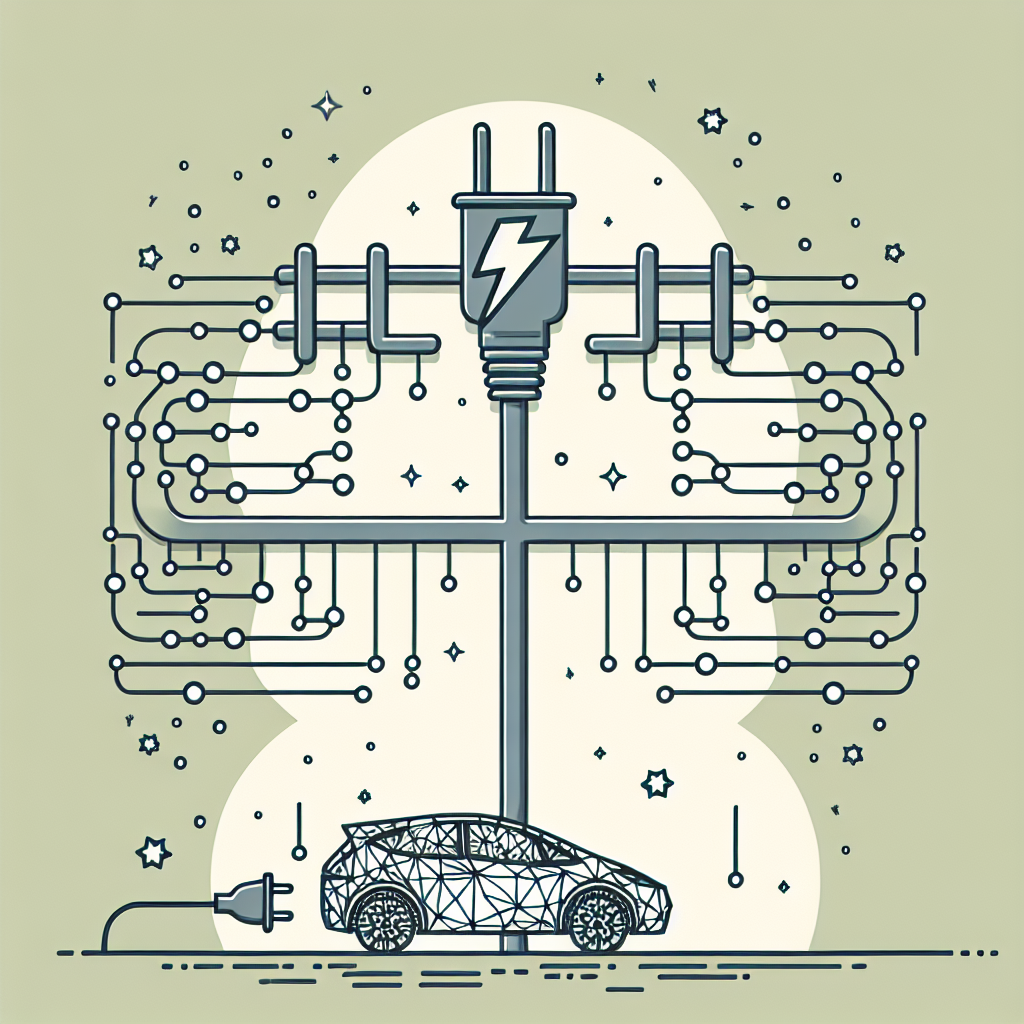
Leveraging Electric Vehicles to Reinforce the Power Grid: A Sustainable Path Forward
My brother just bought a Tesla, and it is ridiculous. There is an app that simulates farts for different seats. Innovation at its finest 🙄
The rise of electric vehicles (EVs) has been transformative for both transportation and energy sectors. As we navigate the transition toward sustainable urban mobility, a critical question emerges: how can EVs not only reduce emissions but also bolster power grid resilience? This narrative explores the symbiotic relationship between electric vehicles and the power grid, revealing a sustainable pathway that benefits consumers, the environment, and the economy.
The Role of Electric Vehicles in Grid Transformation
Electric vehicles are typically seen as consumers of electricity; however, they have the potential to be more than just end users. When integrated thoughtfully, EVs can act as mobile energy storage units that support grid stability. This concept, often referred to as Vehicle-to-Grid (V2G), allows EVs to discharge electricity back to the grid during peak demand, helping balance loads and enhance overall grid resilience.
Economic Benefits for EV Owners
V2G technology not only serves the grid but also provides financial incentives for vehicle owners. By participating in energy trading and demand response programs, EV owners can monetize their vehicle’s stored energy. For instance, Volkswagen’s Vehicle-to-Grid offering highlights the potential for customers to generate additional revenue by connecting their cars to the energy grid.
Challenges and Solutions: Navigating a New Energy Landscape
Ensuring Grid Reliability
One of the challenges of integrating EVs into the grid is maintaining reliability amidst variable energy contributions. The solutions lie in smart grid technologies that incorporate advanced data analytics and machine learning. These technologies optimize the charging and discharging cycles of EVs, ensuring that energy flows smoothly and efficiently.
Addressing Infrastructure Needs
For V2G to become mainstream, infrastructure changes are necessary. Strategies such as profit-aware EV utilization models can help cities navigate these challenges efficiently. These models support strategic charging and discharging based on real-time data, ensuring economic feasibility for all stakeholders.
Policy and Community: Paving the Way for Sustainable Cities
Encouraging Collaborative Initiatives
Government policies and incentives play a crucial role in the adoption of V2G technology. Collaborations between municipalities and private companies have yielded successful outcomes, such as Maryland’s energy resilience microgrid, which combines solar canopies with EV chargers. Such initiatives demonstrate the potential of EVs to enhance infrastructure resilience and sustainability.
Educating Consumers and Stakeholders
Education and awareness campaigns can significantly influence public perception and acceptance of new technologies. For EV solutions to gain traction, consumers need to understand the long-term benefits of integrating their vehicles into the power grid.
Conclusion: A Vision for the Future
As the penetration of electric vehicles continues to grow, harnessing their potential to reinforce energy systems is an opportunity we can’t afford to miss. The interplay between EVs and the power grid not only addresses current environmental challenges but also paves the way for future innovations in sustainable energy management. By collaboratively exploring and investing in this dynamic synergy, we move closer to achieving energy security, economic viability, and environmental sustainability for generations to come.