
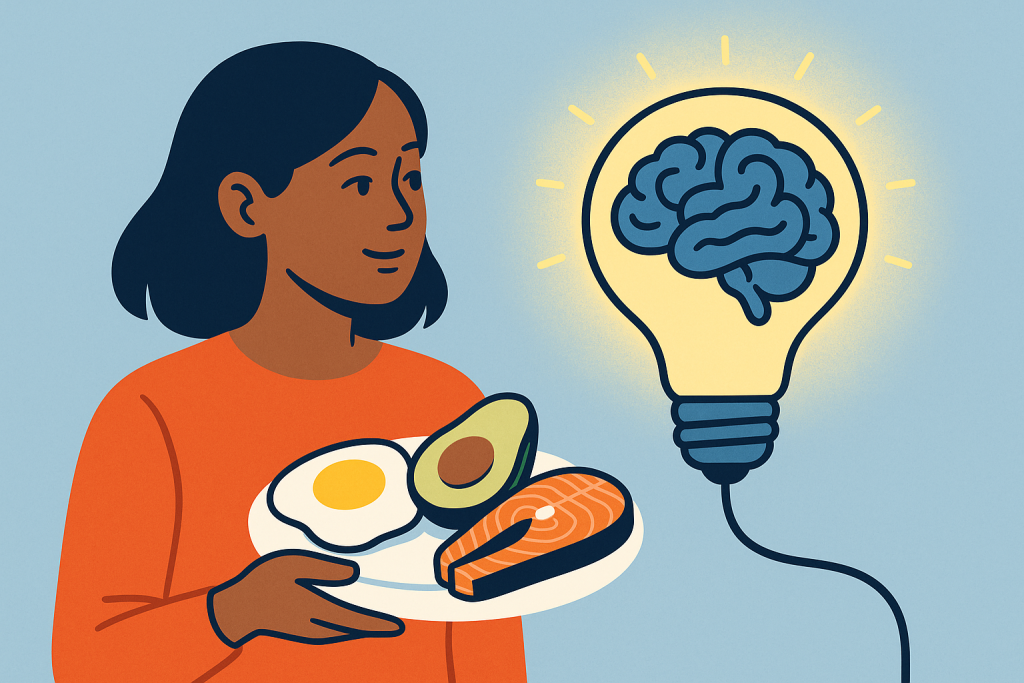
Can a Ketogenic Diet Boost Cognitive Performance?
What if a diet could make you think quicker, but at the cost of accuracy? In a fascinating study, researchers at the University of Foggia in Italy examined the effects of a high-fat, low-carb ketogenic diet on the cognitive functions of undergraduate students. The results? An intriguing trade-off between speed and precision.
A Common Diet with Uncommon Potential
The ketogenic diet, often popularized for weight loss and managing epilepsy, involves significantly reducing carbohydrate intake to induce a state known as ketosis.
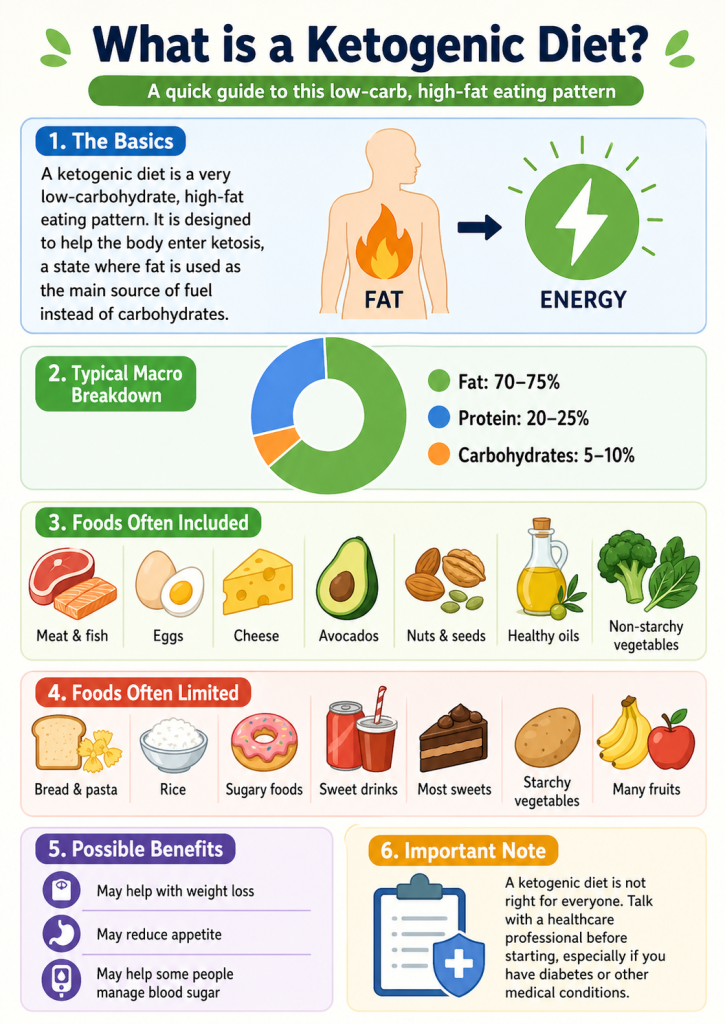
In this metabolic state, the body burns fat for fuel, producing ketones, which are believed to support brain function. Previously celebrated for its benefits in specific neurological conditions, ketosis is now of interest to researchers for its potential effects on everyday brain function in healthy individuals.
The Big Question
The research aimed to examine how a keto diet affects basic cognitive skills, including memory, attention, and processing speed, in healthy young adults. Would the fast-paced brain fuel translate into cognitive advantages or possible pitfalls?
Putting the Diet to the Test
To get some answers, the researchers recruited a group of university students. After initial screenings, only eight participants completed a three-week experimental journey. They adhered to a carefully controlled ketogenic meal plan, designed to maintain caloric intake while drastically reducing carbs.
Throughout the study, cognitive tests were administered before and after the dietary intervention. These tests targeted diverse aspects of cognition, from working memory to processing speed, providing a broad view of the brain’s response to ketosis.
The Findings
Interestingly, by the end of the three weeks, students were completing tasks such as the Digit Symbol Test and Trail Making Test faster than before the diet. This indicates a boost in visual-motor processing speed, a cognitive facet closely tied to quick thinking.
However, the plot thickens with their performance in more rigorous cognitive tasks like the Automated Operation Span Task. Despite being faster, the students showed less accuracy when solving complex problems, suggesting a potential decline in higher-order cognitive functions.
Why This Matters
While the idea of thinking faster might sound appealing, accuracy is often crucial, especially in academic and professional settings. Speeding through problems only to make mistakes can be counterproductive. This study’s insights highlight how dietary choices might impact brain performance and suggest that the ketogenic diet’s benefits are not one-size-fits-all.
Such findings pose important questions for those considering the ketogenic diet outside a clinical context. Could shifting dietary habits be a simple way to boost cognitive health, or might it lead to unintended consequences?
Conundrums and Future Exploration
Despite these intriguing results, many questions remain. With a small sample size and a focus solely on healthy young adults, it leaves open how these effects might play out across different age groups or individuals with varying health profiles. Moreover, the study didn’t include a control group with a different diet for comparison, leaving room for exploration.
Let’s Explore Together
Research like this opens new doors to understanding how what we eat touches every part of our lives, including how we think.
How do you think dietary changes could affect cognitive performance in your daily routine? What other factors, alongside diet, might influence high-demand cognitive tasks? Could a broader study illuminate unique dietary impacts across diverse populations? Share your thoughts!
Read more about the study here.