Earliest Elephant Butchery: A Glimpse into Human Evolution
Have you ever wondered how early humans adapted to their environments and what role large animals played in their survival?
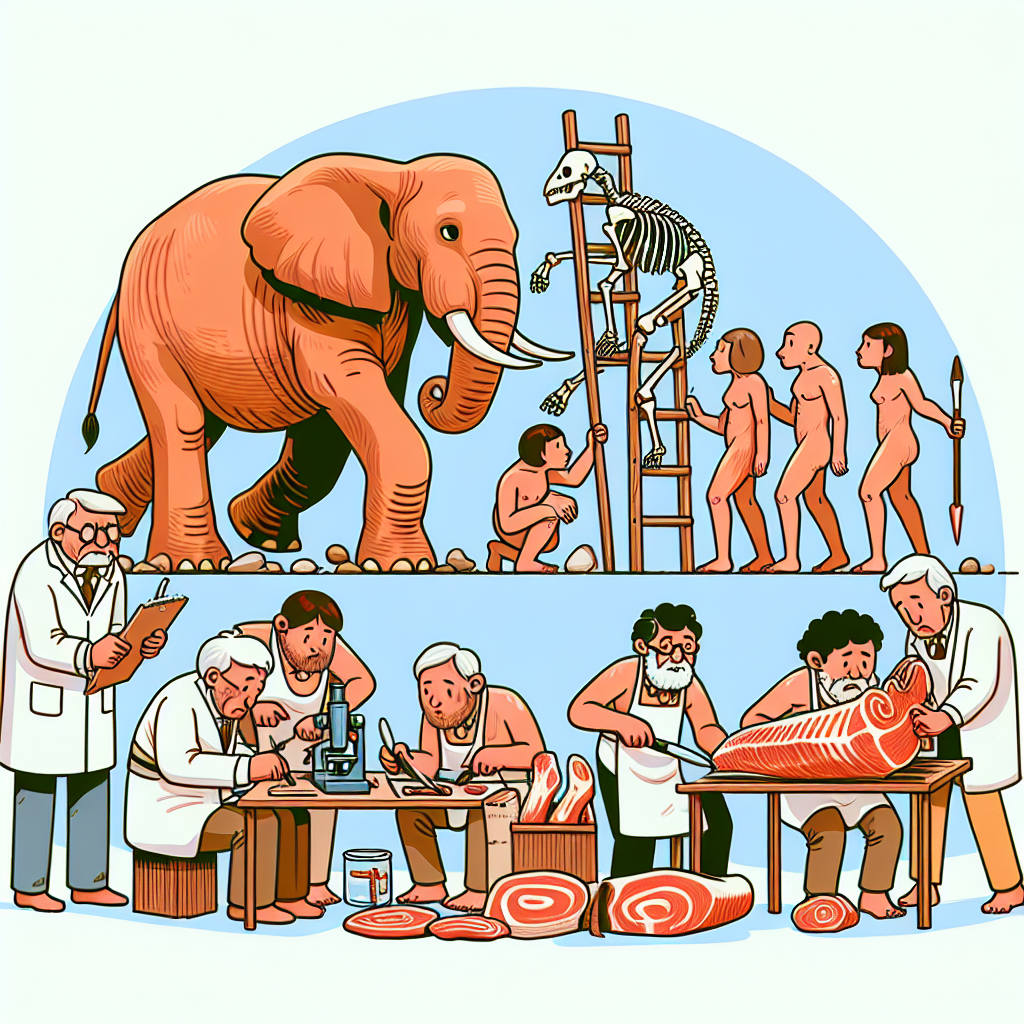
In a groundbreaking study, researchers have unveiled evidence suggesting that early humans were butchering elephants 1.8 million years ago at Olduvai Gorge, Tanzania (Dominguez-Rodrigo et al., eLife 2025).
That’s not just early in human development. That’s VERY early.
The discovery of bone modifications on proboscidean remains (elephants and their kin) stands as the oldest direct evidence of such interaction. This could reshape our understanding of human evolution—suggesting that meat and fat from large animals were integral to early human diets.
Unlocking the Past
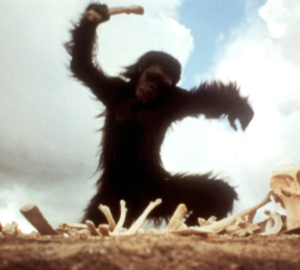
Imagine a typical day in a rural village in Tanzania. People gather under the shade of an acacia tree to share news, food, and ideas. Just as today, our ancestors may have come together around the remains of a large kill, dividing meat for their families and using bones to create tools—behaviors that may have helped them survive in an ever-changing world.
The team of international researchers, led by Manuel Dominguez-Rodrigo, analyzed elephant bones from the EAK site in Olduvai Gorge. They identified stone tool cut marks and bone fractures consistent with butchery. This suggests that early humans were not merely scavengers but engaged in systematic exploitation of megafauna, behavior previously thought to appear much later in human history.
The Research Journey
How did the team reach their conclusions? Their expedition involved carefully excavating the site, using laser theodolites for precise plotting, and sieving sediments to recover every fragment of bone and tool. Their meticulous work paid off, revealing a treasure trove of ancient life.
The spatial distribution of remains and lithic artifacts was analyzed through advanced statistical methods. The clustering patterns of bones and tools suggested intentional butchery rather than random accumulation. Researchers also compared their findings with modern-day butchery patterns, adding another layer of understanding to early human behavior.
Why Does It Matter?
These findings hold significant implications, particularly for communities in regions where access to diverse food sources can dictate survival. The ability to exploit large animals would have provided a rich, reliable source of nutrition, potentially supporting larger social structures and the development of more complex societies.
In a village reliant on agriculture or hunting, understanding this ancient adaptation can inspire modern strategies for food security. The parallels between ancient elephant butchery and modern techniques used on other livestock show the continuity of human ingenuity in using available resources to navigate their environment.
Continuing the Conversation
The study prompts several intriguing questions: How might this early adaptation inform modern dietary strategies in resource-limited regions? Could learning about these ancient techniques inform sustainable practices today? What further secrets lie in the landscape of Olduvai, waiting to be uncovered?
Let’s explore together: How does this new understanding of human evolution change your view of our interaction with the environment? Could the resilience seen in our ancestors’ adaptability inform our approach to modern ecological challenges?