Can AI Predict Athletes’ Sleep Quality?
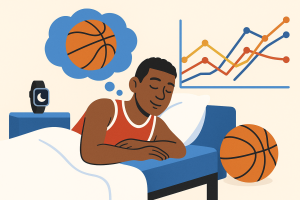
In the high-stakes world of college basketball, where the difference between victory and defeat may hinge on a single play, there’s a less obvious factor coming into play: sleep quality. For athletes under the pressure of academic and athletic demands, sleep is a silent partner in performance.
The Sleep Puzzle
Basketball players, especially at the collegiate level, contend with more than just rigorous training schedules. Persistent physical fatigue, psychological stress, and irregular sleep opportunities create a perfect storm of challenges. Sleep, necessary for physical recovery and mental resilience, is often insufficient or fragmented, impairing performance and increasing injury risk.
Cracking the Code
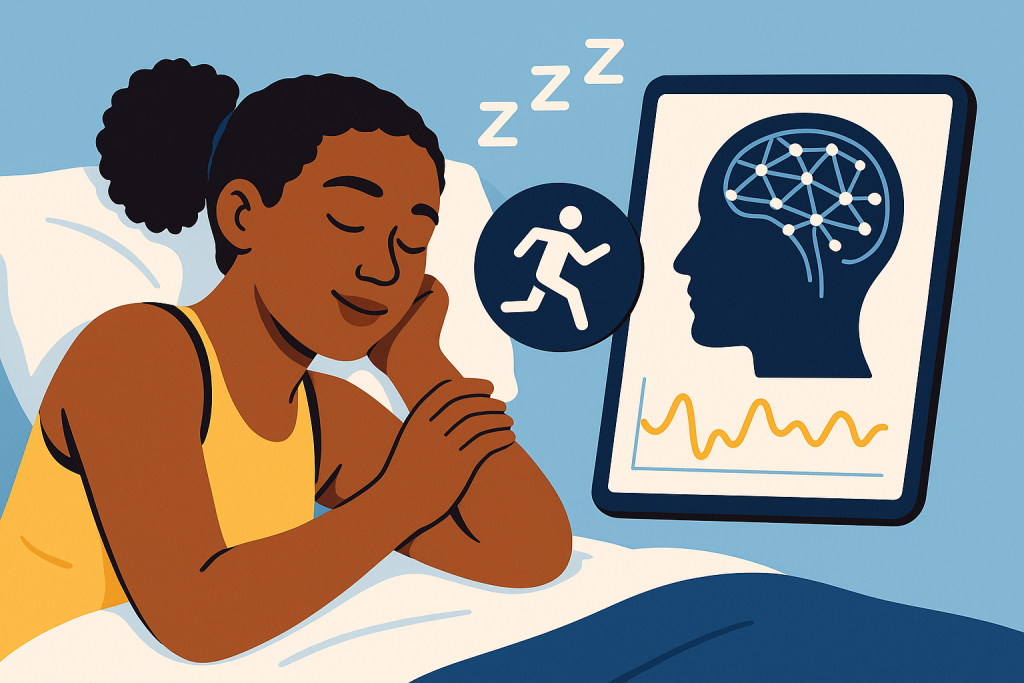
Recognizing the complexity of sleep quality, researchers sought to develop a predictive model using a blend of physical, psychological, and demographic factors among university basketball athletes. They focused on metrics such as BMI, endurance, anxiety, and training years, aiming to better predict sleep quality than traditional methods.
The Cutting-Edge Approach
The study used a novel tool, an Attention-based Multilayer Perceptron (Attention-MLP), to handle diverse data inputs. This AI tool guided the model toward significant patterns, offering nuanced predictions where previous methods lacked precision. Among the models, the Attention-MLP stood out, achieving an accuracy of 73.2%, a notable improvement over the others.
Why It Matters
The results show that tailored AI approaches can better identify students at risk of poor sleep quality, offering a path to proactive interventions. In a broader sense, the potential applications extend beyond athletes to any high-performing individuals living in high-pressure environments worldwide.
Continued Mysteries
Nevertheless, the study has its limits. The model’s accuracy varies by sleep quality type, and its effectiveness has yet to be proven in larger, more diverse populations. Psychological factors showed a stronger correlation with sleep quality than physical ones, yet exactly how they interact remains to be explored further.
Possibilities Ahead
The implications of such research reach far beyond the basketball court. Understanding the multifaceted contributors to sleep quality could lead to innovative strategies in managing mental and physical health holistically across diverse settings.
Let’s Explore Together
This study is a step toward a better understanding of sleep across varied environments. The challenge now is to see how predictive models like these can be tailored universally.
- How could this approach to predicting sleep quality be adapted for non-athletic populations?
- What cultural or environmental factors might influence the model’s effectiveness?
- What additional data could further refine the accuracy of sleep quality predictions worldwide?