
Breaking Barriers in Cancer Care and Beyond: Innovations in Health and Science from July 2026
This week’s science roundup highlights groundbreaking studies that touch on some of the most pressing health challenges—cancer survival disparities, kidney safety in cancer therapies, and smarter prediction of immunotherapy outcomes. We also explore advances in building materials, surgical anesthesia, plant disease detection, and lung health assessment. Here’s why these findings matter to you.
Cracking the Code of Cancer Survival Equity in Veterans
In the US, cancer survival has long shown troubling racial disparities, with Black patients faring worse than their White counterparts even when age and disease severity are accounted for. But a new meta-analysis published in JAMA Network Open shines a hopeful light on the Veterans Health Administration (VHA), a healthcare system aimed at providing equal access. Researchers pooled data from over 600,000 veterans treated for cancer between 1983 and 2017. Surprisingly, Black veterans exhibited equal or slightly **better overall and cancer-specific survival compared to White veterans across multiple cancer types, including prostate, lung, bladder, and blood cancers.
The key takeaway? When barriers to care access are minimized, as in an integrated system like the VHA, racial disparities in cancer outcomes reduce substantially. This suggests that system-level interventions focusing on equal access, timely diagnosis, and comprehensive treatment could be a critical lever to tackle inequities nationwide. While challenges remain, this study underscores the power of healthcare equity in saving lives.
Preserving Kidney Health in Advanced Kidney Cancer Treatment
Targeted cancer therapies combining immune and anti-angiogenic agents have revolutionized the treatment of advanced renal cell carcinoma (RCC), yet concerns linger about side effects like kidney injury. A clinical study from the ETER100 trial reported in BMC Medicine examined renal safety in patients receiving first-line treatment with benmelstobart plus anlotinib. Encouragingly, the combination did not increase the risk of kidney damage compared to standard monotherapy. Most patients who developed temporary abnormalities in kidney function recovered normal function. Furthermore, these abnormalities did not appear to adversely affect overall or progression-free survival. This research reassures patients and doctors that this potent cancer combo balances effectiveness with manageable kidney safety, allowing more confident treatment choices.
AI Steps Up: Predicting Immunotherapy Response Across Cancers
Immunotherapy—harnessing the immune system to fight tumors—is a game-changer in oncology but benefits only a subset of patients. Predicting who will respond has been difficult. Enter COMPASS, a new pan-cancer AI model introduced in Nature Medicine that analyzes tumor gene expression to forecast immunotherapy success across 33 cancer types and multiple immune checkpoint inhibitors. Trained on over 10,000 tumors, COMPASS significantly outperformed existing methods and generalized to cancers it hadn’t seen before. Beyond prediction, the AI highlights biological programs linked to response or resistance, providing clues for future drug development. This versatile tool could help oncologists personalize treatment plans more effectively, sparing patients from ineffective therapies and costly side effects. It’s a prime example of how AI is becoming an ally in precision medicine. –
Better Concrete Means Longer-Lasting Infrastructure
Stepping outside medicine, a Scientific Reports study offers insights into enhancing the durability of high-performance concrete—a material fundamental to roads, bridges, and buildings. Early cracking and freeze-thaw cycles degrade concrete, shortening the lifespan of infrastructure. Researchers tested a new internal curing agent called CICA, which improved mechanical strength, crack resistance, and freeze-thaw durability better than conventional materials. They pinpointed an optimal CICA dosage of 2% and a particle size under 500 microns for best performance. Durability improvements translate to fewer repairs, lower maintenance costs, and safer structures, which indirectly benefit society by conserving resources and enhancing resilience.
Faster Recovery After Hernia Surgery with Smarter Anesthesia
Ambulatory surgeries like inguinal hernia repair rely on anesthesia that offers effective pain relief yet allows rapid recovery and discharge. A clinical trial compared two spinal anesthesia combos in Scientific Reports: prilocaine-fentanyl vs. bupivacaine-fentanyl. Patients receiving prilocaine-fentanyl experienced **significantly faster return of bladder function and readiness for discharge**, though with a slight increase in pain scores and need for rescue meds. Both were safe, but prilocaine-fentanyl may be preferable for fast-track surgeries. This evidence helps anesthesiologists tailor protocols to optimize patient throughput and comfort. –
AI Powers Up Cotton Farming by Spotting Leaf Diseases
Step Aside, Eli Whitney!
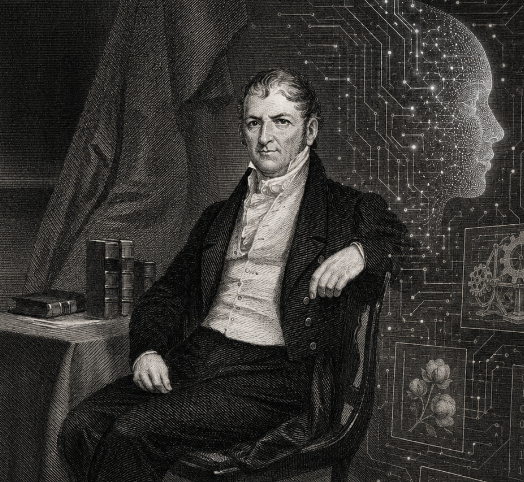
Early Cotton leaf diseases threaten global crop yields and farmers’ livelihoods. Traditional diagnosis requires expert knowledge and is slow. A new deep learning model, CLDP-CNN, developed and tested on real-world cotton leaf images, achieved over 99.7% accuracy in detecting diseases such as bacterial blight and Fusarium wilt. Integrated into a web application, it can deliver real-time disease alerts to farmers. By enabling swift intervention, this technology could reduce crop losses, improve fiber quality, and promote sustainable agriculture—benefitting economies and consumers alike.
New Tools to Predict Lung Function Decline in COPD Patients
Chronic obstructive pulmonary disease (COPD) impairs breathing, but early detection of lung function decline is challenging. A study in Scientific Reports found that combining two non-invasive measures—the shape ratio of the thorax (TTD/ATD) and diaphragm movement during deep breathing—predicted lung impairment with high accuracy. The combined model stratified patients by risk, enabling personalized management plans to prevent rapid disease progression. This offers a practical, accessible approach to monitoring COPD and improving quality of life for millions.
Why It All Matters
From addressing racial disparities in cancer care to harnessing AI for medicine and agriculture, these advances collectively push the needle toward more equitable, precise, and sustainable solutions. They remind us that science is not just about discovery but about building systems and tools that improve everyday lives, whether by saving veterans’ lives, protecting kidneys during cancer treatment, or helping farmers protect their crops. Keeping an eye on these evolving breakthroughs enables us all to understand the trajectory of health and technology in shaping a better tomorrow.
Build Your Own Science Issue
Tell us what fascinates you. We’ll search today’s science and build a personalized issue just for you.
Your science issue is being built.
We’re searching today’s research for stories that match your interests. Your personalized issue will arrive in your inbox shortly.
Something went wrong.
We couldn’t build your issue right now. Please try again in a moment.