
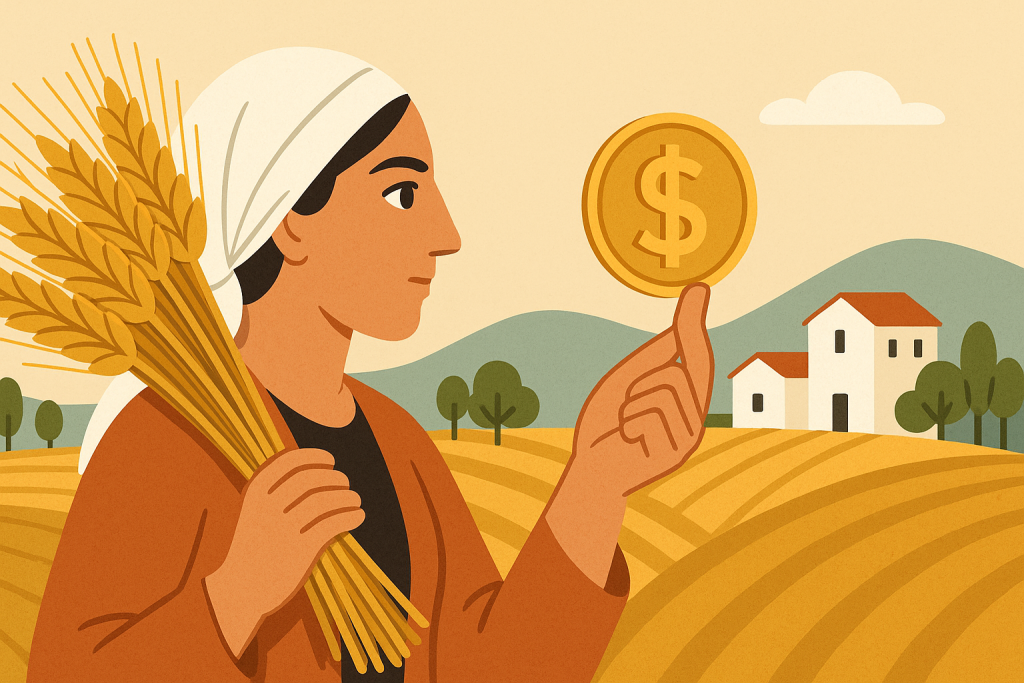
How Early Modern Greek Farmers Adapted to Capitalism’s Pressures
The warm sun of the Peloponnese may seem timeless, casting its light over fields that have been farmed for centuries. Yet, beneath this serene landscape, a dramatic transformation unfolded that reshaped the region’s agricultural fabric.
In the historical setting of 15th- to 16th-century southern Greece, a riveting sociocultural transformation was in motion. From unstable eras of political strife emerged a terrain ripe for what became the seeds of early capitalism. But what spurred this transition, and how did it alter the lives of its inhabitants?
Peering into the Past: A Historical Puzzle
Communities in Ottoman Greece were subject to turbulent changes that forced them to rethink their relationships with land and labor. A puzzle emerged: why did farmers begin to disregard deeply rooted ethnic traditions in their agricultural practices?
The answer lies in an investigation into these enigmatic shifts. Researchers, led by Georgios C. Liakopoulos and associates, utilized Ottoman taxation registers to scrutinize land-use decisions made by Greek and Albanian farmers.
Unveiling the Patterns: The Research Approach
By deploying a Bayesian machine learning algorithm, the team meticulously analyzed data from the 1460s, 1510s, and 1580s. This method unearthed vital insights into the environmental and socioeconomic factors influencing land-use choices.
The primary resource driving this research was a unique comprehensive dataset derived from Ottoman records. These documents detailed population, affluence, and agricultural practices within village communities over a century-long period.
The study’s pivotal question centered on land use choices: what drove Greek and Albanian communities toward different farming strategies? Early on, ethnic identities shaped certain ecological niches, but as peace and fiscal pressures mounted, those identities began to lose their sway.
The Watershed of Change: Key Findings
The research unfolded a narrative of adaptation. In the 1460s, both Greek and Albanian communities adhered to culturally influenced ecological practices. But within two generations, a shift occurred. The allure of market integration and burgeoning fiscal demands altered priorities.
By the 1580s, village investment capacity—essentially, a community’s economic potential—had largely overtaken ethnicity as a driving factor in land-use choices. Communities began favoring vineyards over grain fields, a shift indicative of increased commercial activity.
Why This Matters: The Broader Implications
This transformation holds significant lessons for understanding how communities adapt under pressure. The subtle yet substantial shift from traditional to economically motivated decision-making surfaces a critical perspective on human resilience and flexibility.
Modern-day applications of these findings reveal the complex interplay between socioeconomic forces and cultural identities. In a world where market forces consistently challenge traditional lifestyles, these historical insights provide a lens to assess contemporary ecological shifts and adaptive strategies.
What We Still Do Not Know
While the study offers a rich tapestry of historical data, questions about the nuanced role of intermediary officials and micro-level social dynamics remain. The decline in explanatory power over time suggests there are unaccounted variables influencing the changes.
Moreover, as intriguing as the study is, it opens avenues of inquiry rather than definitive conclusions. The intricacies of how precisely cultural identities were replaced by economic drivers in specific communities remain areas ripe for future exploration.
Let’s Explore Together
This study invites us to reflect on how the intersection of culture, economics, and environment shapes human adaptation. History’s lessons resonate today, asking us:
- How might understanding these historical shifts inform how we manage current global market influences?
- Could these findings inspire strategies for balancing tradition and commerce in today’s rapidly evolving economies?
- What other historical periods might reveal similarly transformative narratives under cross-cultural and economic pressures?