
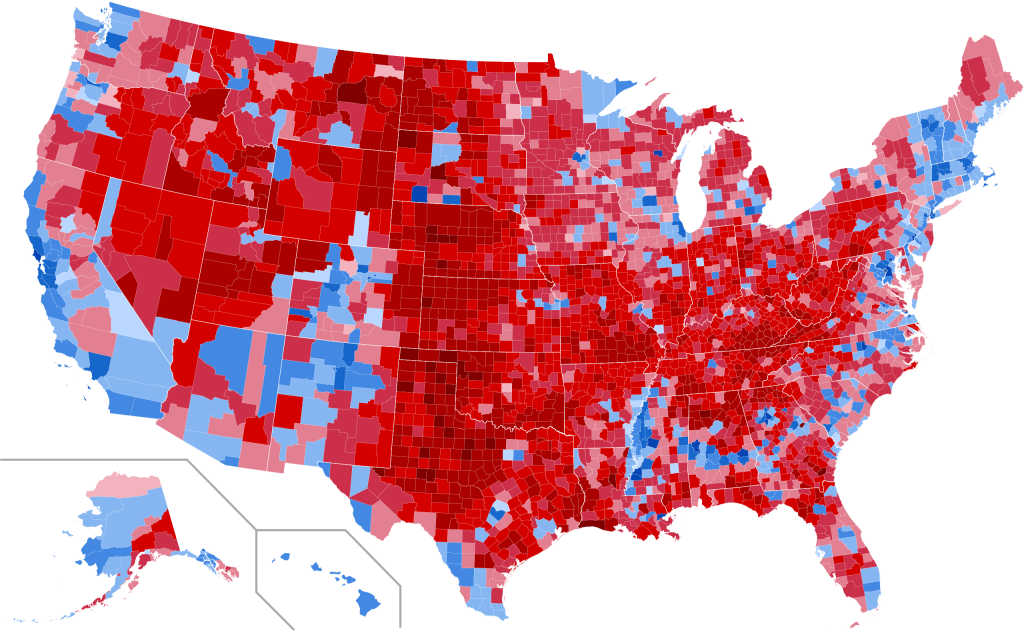
Why Global Political Polarization Needs a New Lens
The world can feel divided, but what if the science behind our political polarization is missing half the story? Recently, new insights emerged from a cross-continental team of researchers who argue that our understanding of political polarization is predominantly Western-centric, particularly focused on the United States. While U.S.-based studies have contributed significantly to the body of work on political division, less attention has been given to how this phenomenon plays out globally.
Political polarization has traditionally been viewed as a socio-political schism within societies, often blamed for populism, societal discord, governmental gridlock, and even an inability to address global crises such as climate change. Despite the gravity of these issues, nearly half of all research studies on political polarization focus on the United States. However, when global conflict is examined, the current societal divisions pale in comparison to those of the past century.
So, what are researchers asking? To broaden our insights on political polarization, the team highlighted the urgent need to diversify the research beyond high-income democracies, mostly in the U.S. and Europe. They recommend expanding the geographical scope to include regions often ignored in political science, such as low- and middle-income countries.
What Did the Researchers Do?
Led by Max Falkenberg and his colleagues across academic institutions worldwide, the study analyzed existing literature on political polarization. This effort was not just a call for inclusion but an attempt to unify various interdisciplinary approaches to tackle this issue on a global scale. They examined key themes such as ideological and affective polarization, media influence, social media dynamics, and emerging technologies like AI, striving to create a more equitable dialogue across different countries.
Findings
The analysis brought some startling revelations:
- U.S.-based studies often produce results that are outliers when applied to a global context. For example, where ideological polarization among political elites has increased in many Western democracies, the same can’t be said for the general populace worldwide.
- Affective polarization, where people feel emotionally aligned with their ‘in-group’ and hostile toward the ‘out-group,’ is accentuated in countries like Türkiye and Hungary, while nations such as Japan and the Netherlands report much lower levels.
- Most existing methodologies fail to capture the full spectrum of polarization, particularly in authoritarian regimes where the usual political divides don’t apply.
Why This Matters
The prevailing American-centric model of polarization skews global understanding and might lead to policy decisions that are inappropriate for non-Western contexts. This can exacerbate existing inequities and deepen societal divisions when interventions based on U.S. paradigms are applied to nations with unique social and political landscapes.
Understanding global polarization offers the chance to develop solutions that are both effective and culturally sensitive. The next step involves creating globally relevant data, breaking disciplinary silos, and being cautious about the assumptions taken from research done in Western democracies.
What We Still Do Not Know
Many questions remain unanswered. Despite the thorough analysis, the study is limited by its reliance on existing literature that often doesn’t include low-income or authoritarian contexts. High-quality, causal data remains difficult to access, especially from private platforms that could offer insights into social media’s role in polarization.
Furthermore, the use of AI in both studying and understanding polarization is nascent. While AI shows promise in identifying patterns that human researchers might miss, its potential for misuse remains a major concern, particularly in countries with less regulatory oversight.
Let’s Explore Together
As we move forward, acknowledging the gaps in current research and the necessity for a globally inclusive perspective will be crucial. Shared efforts to explore uncharted territories of political polarization can pave the way for richer scientific discourse, policy development, and public understanding.
- How might exploring less-studied regions reshape our understanding of global political polarization?
- What specific steps can be taken to ensure equitable participation in ongoing polarization research?
- Can AI be a reliable tool in studying social behaviors, or will it always pose a risk of manipulation?